
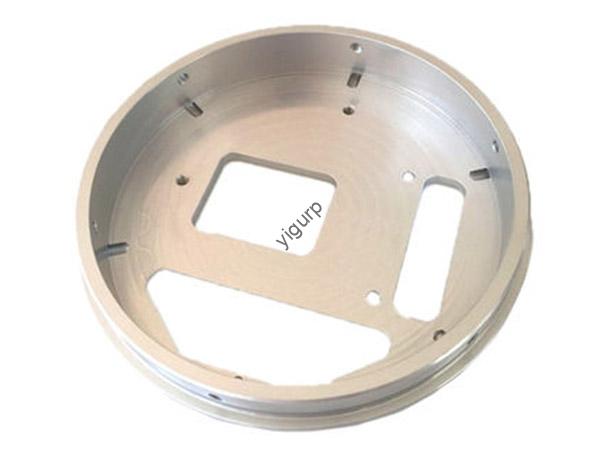
GH3625 nickel alloy is a proven, cost-effective alternative to Inconel 625. It is designed to deliver the same exceptional high-temperature strength and corrosion resistance as its more expensive counterpart. This nickel-chromium-molybdenum alloy excels in harsh environments, from aerospace engines to chemical reactors. This guide will cover its key properties, real-world applications, and how it compares to other materials, helping you make a smart choice for your demanding projects.
Introduction
Inconel 625 has long been the standard for applications that demand outstanding resistance to heat and corrosion. However, its high cost can be a significant barrier for many projects. GH3625 was developed to solve this problem. It is manufactured to match the chemical composition, mechanical properties, and performance of Inconel 625, but it is typically available at a 15-20% lower cost. For engineers and manufacturers looking to balance performance with budget, understanding this alloy is essential.
What Are the Key Properties of GH3625?
The performance of GH3625 is rooted in its carefully controlled chemistry and the resulting physical and mechanical traits. It is designed to be a direct substitute for Inconel 625.
Chemical Composition
The high nickel and chromium content, along with molybdenum and niobium, is the key to its performance.
| Element | Content Range (%) | Its Role in Performance |
|---|---|---|
| Nickel (Ni) | ≥ 58 | The base metal, providing ductility and resistance to stress cracking. |
| Chromium (Cr) | 20 – 23 | Provides oxidation resistance, forming a protective layer at high temperatures. |
| Molybdenum (Mo) | 8 – 10 | Fights corrosion in acids, such as hydrochloric and sulfuric. |
| Niobium (Nb) | 3.15 – 4.15 | Boosts tensile strength and creep resistance through precipitation hardening. |
| Iron (Fe) | ≤ 5 | Adds structural strength without reducing corrosion resistance. |
| Carbon (C) | ≤ 0.10 | Minimized to prevent carbide formation, which can lead to intergranular corrosion. |
Mechanical and Physical Properties
The properties below are for the annealed (softened) condition. GH3625 maintains significant strength even at high temperatures.
| Property | Room Temperature | At 800°C | Why It Matters |
|---|---|---|---|
| Tensile Strength | ≥ 930 MPa | 550 MPa | Maintains high strength even at extreme temperatures. |
| Yield Strength | ≥ 550 MPa | 400 MPa | Resists permanent deformation under load. |
| Elongation | ≥ 30% | 35% | Highly ductile, allowing for forming and fabrication. |
| Creep Resistance | – | Excellent up to 980°C | Withstands long-term stress without slowly deforming. |
| Density | 8.44 g/cm³ | – | Comparable to Inconel 625, lighter than some superalloys. |
| Melting Point | 1290 – 1350°C | – | Handles extreme heat in engines and reactors. |
- Corrosion Resistance: It offers excellent resistance to mixed acids (e.g., hydrochloric and sulfuric), seawater, and chloride-induced stress corrosion cracking. This matches the performance of Inconel 625.
- Oxidation Resistance: It resists scaling in air up to 980°C, making it suitable for furnace liners and aerospace exhaust parts.
Where Is GH3625 Used in the Real World?
GH3625 is used in industries where reliability under extreme conditions is non-negotiable. Its lower cost makes it an attractive option for large-scale projects.
Aerospace Components
Aerospace is a primary user of this alloy. It is used in the hottest sections of jet engines.
- Case Study: A Chinese aerospace manufacturer was using Inconel 625 for jet engine turbine blades. They switched to GH3625.
- The new blades performed identically, handling 850°C temperatures.
- They achieved a lifespan of 7,000 flight hours, matching Inconel 625.
- The material cost for the blades was 15% lower.
- Other applications include combustion chambers, afterburner parts, and aircraft fasteners.
Chemical Processing Equipment
The alloy’s resistance to strong acids makes it ideal for chemical reactors and storage tanks.
- Case Study: A chemical plant in Germany was using an Inconel 625 reactor vessel for a process involving sulfuric acid. The vessel was effective but expensive.
- They switched to a GH3625 reactor.
- The new reactor has operated for 5 years with no signs of corrosion.
- The plant saved 20% on material costs for the vessel.
- It is also used for acid storage tanks, heat exchangers, and piping for mixed acids.
Oil and Gas and Marine Applications
The alloy’s resistance to saltwater and sour gas makes it a reliable choice for offshore and marine environments.
- Case Study: An offshore oil rig in the Gulf of Mexico used GH3625 for wellhead valves. The alloy resisted saltwater and high-pressure natural gas, cutting maintenance costs by 30% compared to the stainless steel valves previously used.
- Case Study: A shipyard in South Korea used GH3625 for seawater cooling systems. The systems have run for 8 years without pitting, matching Inconel 625’s performance at a lower cost.
How Is GH3625 Manufactured and Fabricated?
To achieve its full potential, GH3625 requires processing techniques similar to those used for Inconel 625. Proper methods ensure its corrosion resistance and strength are preserved.
Forming and Heat Treatment
- Forging: The alloy is hot forged at 1150-1200°C. This refines the grain structure, which is essential for creep resistance.
- Annealing: The material is heated to 980-1050°C and then rapidly cooled. This softens it for forming and restores ductility after cold working.
- Stress Relieving: For welded or cold-worked parts, a stress relief treatment at 700-800°C can be used to reduce internal stresses.
Machining and Welding
- Machining: GH3625 work-hardens quickly. Use sharp carbide tools, slow cutting speeds, and plenty of coolant to prevent the material from hardening as you cut.
- Welding: Use Gas Tungsten Arc Welding (GTAW) with matching filler metals like ERNiCrMo-3, which is the same as used for Inconel 625. Thorough cleaning before welding is critical to avoid contamination.
Surface Treatment
- Passivation: A nitric or citric acid treatment can be used to enhance its natural pitting resistance. No painting is needed for most environments, as the alloy’s own surface is highly protective.
GH3625 vs. Other Common Materials
Comparing GH3625 to other materials helps clarify its position as a cost-effective, high-performance alloy.
| Material | Corrosion Resistance (Mixed Acids) | Tensile Strength (RT) | Max Service Temp | Relative Cost | Best For |
|---|---|---|---|---|---|
| GH3625 | Excellent | 930 MPa | 980°C | High | Cost-effective replacement for Inconel 625 |
| Inconel 625 | Excellent | 930 MPa | 980°C | Very High | Same applications, higher cost |
| Stainless Steel 316 | Poor | 515 MPa | 870°C | Low | Mild corrosive environments |
| Hastelloy C22 | Excellent (acids) | 690 MPa | 650°C | Very High | Strong acid applications |
| Monel 400 | Good (seawater) | 550 MPa | 480°C | Medium | Marine applications, lower temperature |
- Key Case Study: A chemical company in Brazil needed to replace an Inconel 625 reactor used to make PVC. The reactor used 31% hydrochloric acid at 80°C. They switched to GH3625. After 4 years, the reactor showed no corrosion, matching Inconel 625’s durability. Material costs dropped by 18% , and production rates remained unchanged.
Conclusion
GH3625 nickel alloy is a proven, reliable alternative to Inconel 625. It provides the same outstanding resistance to high-temperature oxidation and corrosion from acids and saltwater, making it a direct substitute for demanding applications in aerospace, chemical processing, and oil and gas. Its lower cost and identical performance make it a smart choice for projects that require the high-end properties of Inconel 625 without the premium price tag.
FAQ About GH3625 Nickel Alloy (Inconel 625 Equivalent)
Is GH3625 a true equivalent to Inconel 625?
Yes. Its chemical composition, mechanical properties, and corrosion resistance are designed to match Inconel 625. It is tested to perform the same in high-heat and acidic environments, offering the same reliability at a lower cost.
Can GH3625 be used in marine heat exchangers?
Absolutely. Its high resistance to pitting and seawater corrosion matches that of Inconel 625. It is ideal for marine heat exchangers, outperforming stainless steel and Monel 400 in long-term use.
What is the lifespan of GH3625 compared to Inconel 625?
They are nearly identical. In aerospace components like turbine blades, GH3625 lasts 7,000-8,000 flight hours, the same as Inconel 625. In chemical reactors, both typically last 5-7 years with proper maintenance.
Discuss Your Projects with Yigu Rapid Prototyping
At Yigu Rapid Prototyping, we understand that material selection is critical to balancing performance and cost. We have extensive experience working with GH3625 and other high-performance nickel alloys. Our team can provide custom-machined components, assist with material selection, and offer guidance on welding and fabrication techniques. Whether you are building aerospace components, chemical processing equipment, or offshore systems, we are here to help you find the most efficient and reliable solution. Contact us today to discuss your specific requirements.