
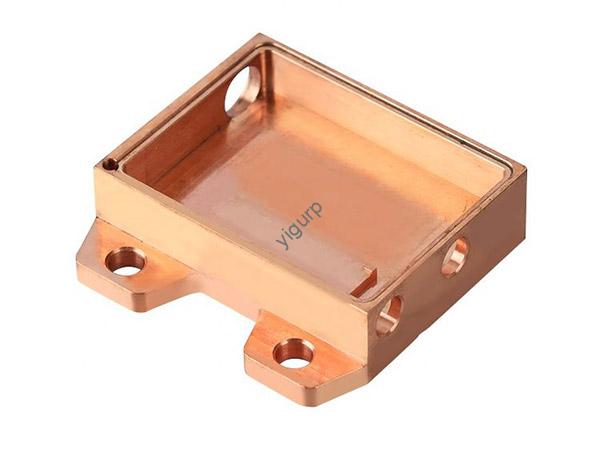
Forged steel is not a specific alloy, but rather a category of steel that has been shaped and strengthened through the process of forging. Unlike cast steel, which is poured into a mold, forged steel is formed by applying high compressive pressure to heated metal. This process refines the internal grain structure, eliminates voids and porosity, and aligns the grain flow with the shape of the part. The result is a material with significantly enhanced strength, toughness, fatigue resistance, and reliability compared to cast or simply rolled steel. For critical components such as axles, gears, and structural beams that must withstand extreme loads, impact, and cyclic stress, forging transforms standard steel into a high-performance material capable of meeting the most demanding engineering requirements.
Introduction
In engineering, the performance of a component is often limited by the presence of internal flaws. Cast steel, while economical, can contain porosity, voids, and a coarse, unpredictable grain structure that can become initiation points for cracks and failure under stress. Forged steel was developed to overcome these limitations. By applying controlled compressive force to heated metal, the forging process closes internal voids, refines the grain structure, and creates a dense, uniform material with grain flow oriented to follow the contour of the part. This results in a component with superior strength, toughness, and fatigue life—often 30-50% stronger than a cast part of the same chemistry. For applications where failure is not an option, forged steel offers the highest level of reliability.
What Are the Key Properties of Forged Steel?
The performance of forged steel is defined not only by the chemistry of the base steel but also by the dramatic improvements in mechanical properties achieved through the forging process.
Grain Structure and Mechanical Properties
The forging process fundamentally improves the material’s internal structure, leading to superior properties.
| Property | Typical Range (Forged) | Benefit of Forging |
|---|---|---|
| Tensile Strength | 600 – 2000 MPa | 30-50% higher than cast steel of the same chemistry. |
| Yield Strength | 400 – 1800 MPa | Resists permanent deformation under extreme loads. |
| Hardness | 200 – 600 HB (30-65 HRC) | Provides excellent wear resistance for gears and shafts. |
| Impact Toughness | 50 – 150 J/cm² | Absorbs severe shocks without fracturing, critical for mining and heavy equipment. |
| Fatigue Strength | 2-3x higher than cast steel | Withstands millions of stress cycles, essential for rotating shafts and axles. |
| Ductility | Good | Can be formed into complex shapes without cracking. |
- Grain Structure: Forging eliminates internal voids and porosity, creating a dense, uniform material. The grain flow is aligned with the part’s shape, directing strength where it is needed most.
- Weldability: Forged steel has good weldability with proper procedures. Preheating is often required for thick sections.
- Corrosion Resistance: This depends on the base steel chemistry. Stainless steel forgings offer excellent corrosion resistance, while carbon steel forgings require coatings like galvanizing for outdoor use.
Where Is Forged Steel Used in the Real World?
Forged steel is used in the most critical components across industries where failure is costly and safety is paramount.
Automotive and Heavy-Duty Transportation
Forged steel is used for axles, gears, crankshafts, and connecting rods in cars, trucks, and heavy equipment.
- Case Study: A truck manufacturer was experiencing breakage in cast steel axles under heavy loads (hauling 20-ton trailers). The cast axles had internal voids that led to failure.
- They switched to hot-forged carbon steel axles (0.45% C, with manganese and molybdenum), heat-treated to 35 HRC.
- Axle breakage dropped by 95% .
- Axle lifespan increased by 200% .
- Maintenance costs were reduced by 60% .
Mining and Heavy Construction Equipment
Forged steel is used for bucket teeth, drill bits, conveyor rollers, and structural components in mining and construction.
- Case Study: A mining company was replacing cast steel bucket teeth every 2 weeks due to wear from abrasive ore.
- They switched to hot-forged alloy steel teeth (12% chromium, 2% nickel), heat-treated to 50 HRC.
- Tooth lifespan extended to 3 months .
- Downtime was reduced by 80% .
- The cost per ton of ore mined dropped by 15% .
Structural and Infrastructure Applications
Forged steel is used for beams, columns, and joints in high-rise buildings, bridges, and other critical structures.
- Case Study: A construction firm needed beams for a 50-story skyscraper. Rolled steel beams were too weak, and cast steel beams had internal flaws.
- They used open-die forged carbon steel beams (0.30% C, with vanadium), welded and painted.
- Beam strength increased by 40% compared to rolled steel.
- No internal flaws were detected in non-destructive testing.
- The building passed seismic tests, with the beams providing excellent impact toughness.
How Is Forged Steel Manufactured?
The forging process is the key to transforming standard steel into a high-performance material.
The Forging Process
- Heating: A steel ingot or billet is heated to a high temperature (900-1250°C) until it is uniformly soft and malleable.
- Shaping: The heated metal is shaped using compressive force. This can be done with a hammer (impact forging) or a press (slow, controlled pressure). Common methods include:
- Open-Die Forging: The metal is shaped between two flat dies. Used for large, simple shapes like beams and shafts.
- Closed-Die Forging: The metal is pressed into a custom die cavity. Used for complex, high-precision parts like gears and connecting rods.
- Grain Flow: As the metal is compressed, its internal grain structure is refined and aligned to follow the contour of the part. This directional grain flow provides strength where it is most needed.
Heat Treatment and Finishing
- Heat Treatment: After forging, parts are often heat-treated to achieve final properties. Annealing softens the steel for machining. Quenching and tempering harden the steel and improve toughness.
- Machining: Forged parts are machined to final dimensions using turning, milling, and grinding.
- Inspection: Non-destructive testing (NDT), such as ultrasonic testing, is used to verify that the forging has no internal voids or defects.
Forged Steel vs. Other Materials
Comparing forged steel to cast steel and other forms of steel helps clarify its value for critical applications.
| Material | Grain Structure | Tensile Strength | Fatigue Resistance | Impact Toughness | Relative Cost | Best For |
|---|---|---|---|---|---|---|
| Forged Steel | Dense, refined, aligned | 600 – 2000 MPa | Excellent | Excellent (50-150 J/cm²) | Medium-High | Critical load-bearing parts, safety components |
| Cast Steel | Coarse, porous, may have voids | 400 – 800 MPa | Fair | Moderate (20-60 J/cm²) | Lower | Non-critical parts, covers, brackets |
| Rolled Steel | Directional | 400 – 800 MPa | Good | Moderate | Medium | Structural shapes, plates, beams |
Key Takeaway: Forged steel offers a clear performance advantage over cast and rolled steel for critical applications. Its refined, dense grain structure and aligned grain flow provide significantly higher strength, toughness, and fatigue resistance. While it is more expensive than cast steel, the cost is justified by its superior reliability and longer service life in demanding applications.
Conclusion
Forged steel is a high-performance material created through a specialized process that transforms standard steel into components of exceptional strength and reliability. By eliminating internal voids, refining the grain structure, and aligning grain flow, the forging process delivers parts with significantly higher strength, toughness, and fatigue resistance than cast or rolled steel. For critical applications in automotive, mining, construction, and infrastructure where failure is not an option, forged steel offers the highest level of performance and reliability.
FAQ About Forged Steel
What is the main difference between forged steel and cast steel?
The main difference is the process and the resulting internal structure. Forged steel is shaped by applying compressive force to heated metal, which refines the grain structure, eliminates internal voids, and aligns grain flow. Cast steel is poured into a mold as a liquid, resulting in a coarse, potentially porous structure. As a result, forged steel is typically 30-50% stronger and has significantly better toughness and fatigue resistance than cast steel of the same chemistry.
Is forged steel more expensive than cast steel?
Yes, forged steel is typically more expensive than cast steel. The forging process requires more energy and specialized equipment. However, the higher cost is often offset by the superior performance and reliability of forged parts, leading to longer service life, reduced maintenance, and fewer catastrophic failures in critical applications.
Can all types of steel be forged?
Many types of steel can be forged, but the forgeability depends on the chemistry. Low and medium carbon steels are easily forged. High carbon and high-alloy steels require more careful control of temperature and cooling rates to avoid cracking. Stainless steels and tool steels can also be forged, though they require specialized techniques.
Discuss Your Projects with Yigu Rapid Prototyping
At Yigu Rapid Prototyping, we have extensive experience with forged steel and other high-performance materials for critical applications. We understand that for components like axles, gears, and structural beams, the integrity of the material is paramount. We offer custom forging services, including open-die and closed-die forging, with full heat treatment and machining capabilities. Our team can provide guidance on material selection, forging design, and post-forging processing to ensure your components achieve the highest possible strength and reliability. Whether you are manufacturing heavy-duty truck axles, mining equipment components, or structural beams for a skyscraper, we are here to help. Contact us today to discuss your project requirements.