
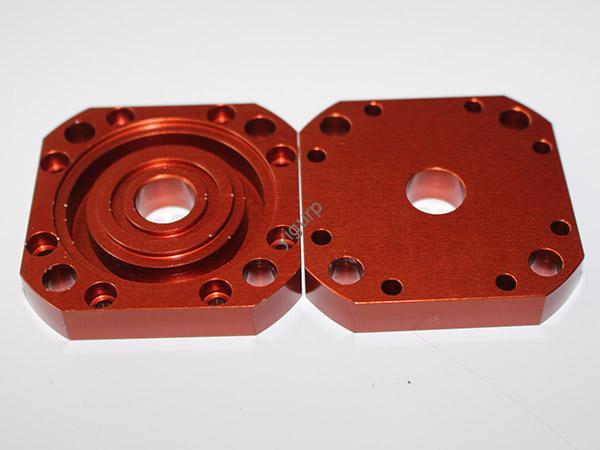
When your application demands a rare combination of excellent wear resistance, good corrosion protection, and impressive toughness, Elmax structural steel offers a premium solution. As a powder metallurgy alloy, it achieves uniform carbide distribution that conventional cast tool steels cannot match. Driven by high vanadium and chromium content, it delivers the durability required for high-performance tools, cutlery, and precision components while maintaining the versatility to perform across demanding environments. This guide explores its key properties, real-world applications, manufacturing processes, and how it compares to other materials, helping you select this advanced alloy for projects where multiple performance traits must coexist.
Introduction
Selecting a material for demanding applications often involves painful compromises. High wear resistance usually means low toughness. Good corrosion resistance often comes at the expense of edge retention. Materials that excel in one area typically falter in another. Elmax was developed to break these trade-offs. Through powder metallurgy technology, it achieves a microstructure that combines fine, uniformly distributed vanadium carbides for exceptional wear resistance with a high-chromium matrix for corrosion protection—all while maintaining toughness levels that allow it to withstand impact without chipping. This balance of properties makes it one of the most versatile high-performance steels available, equally at home in professional kitchen knives, surgical instruments, and precision industrial tooling.
What Defines Elmax Structural Steel?
The performance of Elmax is rooted in its powder metallurgy production and carefully engineered chemical composition. Understanding these fundamentals explains why this material outperforms conventional tool and stainless steels across multiple dimensions.
Chemical Composition
Elmax achieves its properties through a precise balance of high carbon, high vanadium, and high chromium, with controlled additions of molybdenum to enhance hardenability.
| Element | Content Range (%) | Functional Role |
|---|---|---|
| Vanadium (V) | 3.0–4.0 | Forms extremely hard vanadium carbides that provide exceptional wear resistance and edge retention. |
| Chromium (Cr) | 15.0–17.0 | Provides good corrosion resistance through a stable oxide layer and contributes to wear performance through chromium carbides. |
| Carbon (C) | 1.7–2.0 | Bonds with vanadium and chromium to form hard carbides; provides base hardness after heat treatment. |
| Molybdenum (Mo) | 1.5–2.5 | Enhances hardenability, reduces brittleness, and improves high-temperature stability. |
| Manganese (Mn) | ≤ 0.5 | Kept low to avoid coarse carbides that could compromise toughness. |
| Silicon (Si) | ≤ 0.8 | Aids deoxidation during manufacturing without affecting carbide formation. |
| Phosphorus (P) | ≤ 0.03 | Strictly controlled to prevent cold brittleness. |
| Sulfur (S) | ≤ 0.03 | Minimized to maintain toughness and avoid cracking during forming or machining. |
Mechanical Properties
After proper heat treatment, Elmax delivers a balance of mechanical properties that few other materials can match.
| Property | Typical Value | Practical Significance |
|---|---|---|
| Hardness | 58–62 HRC | Achieves excellent edge retention for cutting tools and wear resistance for industrial components. |
| Tensile Strength | 2,100–2,300 MPa | Handles high loads without failure, suitable for demanding structural applications. |
| Yield Strength | 1,900–2,100 MPa | Resists permanent deformation under heavy use, maintaining precision in cutting edges. |
| Elongation | 4–6% | Limited ductility, but higher than ultra-wear-focused steels like D3, providing useful toughness. |
| Impact Toughness | 18–25 J/cm² | Significantly higher than D2 and D3, reducing the risk of chipping in impact scenarios. |
| Fatigue Strength | 720–780 MPa | Withstands repeated stress cycles, ideal for industrial cutting tools and high-cycle components. |
Physical Properties
The physical characteristics of Elmax are consistent with its powder metallurgy production and high-alloy composition.
| Property | Typical Value | Practical Significance |
|---|---|---|
| Density | ~7.85 g/cm³ | Standard for tool steels, with no weight penalty for components. |
| Thermal Conductivity | ~18 W/(m·K) at 20°C | Lower than carbon steel, requiring slow heating during heat treatment to prevent distortion. |
| Coefficient of Thermal Expansion | 11.8 × 10⁻⁶/°C (20–500°C) | Predictable expansion, minimizing distortion during heat treatment cycles. |
| Magnetic Properties | Ferromagnetic | Characteristic of martensitic tool steels; useful for magnetic handling and inspection. |
Why Is It Considered a Balanced High-Performance Steel?
Elmax has earned its reputation as a premium material because it delivers across the three dimensions that matter most for cutting tools and wear components: wear resistance, corrosion resistance, and toughness.
Exceptional Wear Resistance from Vanadium Carbides
The 3.0–4.0% vanadium content creates a dense distribution of extremely hard vanadium carbides within the steel matrix. These carbides are harder than the chromium carbides found in conventional stainless steels, providing superior abrasion resistance. In practical terms, an Elmax blade can stay sharp 2–3 times longer than a 440C blade and approximately 15% longer than D2 in cutting applications.
Good Corrosion Resistance from High Chromium
With 15.0–17.0% chromium, Elmax offers corrosion resistance comparable to 440C stainless steel. It resists rust from food acids, humidity, and mild chemical exposure, making it suitable for kitchen knives, medical instruments, and industrial tools used in damp environments. While it does not match the saltwater resistance of 316 stainless, it significantly outperforms tool steels like D2 in corrosive conditions.
Improved Toughness Compared to Wear-Focused Steels
Unlike D2 or D3, which prioritize hardness at the expense of impact resistance, Elmax achieves impact toughness of 18–25 J/cm². This means it can withstand moderate impacts without chipping—a critical advantage for knives that encounter bone or for industrial tools that experience occasional shock loads. The powder metallurgy production ensures fine, uniform carbides that do not act as stress concentrators.
Powder Metallurgy Uniformity
Conventional cast tool steels suffer from carbide segregation—large, irregular carbides that create weak points and make sharpening difficult. Elmax’s powder metallurgy process creates a microstructure with carbides that are small, spherical, and uniformly distributed. This results in consistent performance, easier sharpening, and reduced risk of edge chipping.
Where Is Elmax Commonly Used?
The combination of wear resistance, corrosion resistance, and toughness makes Elmax suitable for demanding applications across multiple industries.
- Cutlery and Knives:
- High-end kitchen knives for professional chefs who require long-lasting sharpness and resistance to food acids.
- Hunting and skinning knives that must maintain edge retention through processing game while resisting blood and moisture.
- Tactical and outdoor knives requiring durability in field conditions and resistance to humidity.
- Pocket knives and everyday carry (EDC) blades where corrosion resistance from sweat and edge retention are priorities.
- Medical Instruments:
- Surgical scalpels and microsurgery tools requiring sharpness for precise cuts and corrosion resistance for autoclave sterilization.
- Dental instruments such as drills and scalers that must withstand wear from tooth enamel and repeated sterilization.
- Orthopedic surgical tools where precision and durability are critical.
- Industrial Tooling:
- Precision cutting tools such as slitting blades, shears, and industrial cutters for metals, plastics, and composites.
- Punches and dies for high-volume stamping operations where wear resistance and consistent performance are essential.
- Injection molding components for glass-filled or abrasive polymers.
- Aerospace and Automotive:
- Small high-wear components such as valve seats, bearing surfaces, and precision gears.
- High-performance racing components requiring reduced friction and wear under extreme conditions.
How Is Elmax Manufactured?
The powder metallurgy process is fundamental to Elmax’s unique properties. Understanding this process explains why the material performs differently from conventional steels.
Powder Metallurgy Production
- Gas Atomization: Molten Elmax alloy is sprayed into tiny droplets using high-pressure gas. The droplets solidify rapidly into fine, spherical powder particles, preventing the carbide segregation that occurs in conventional casting.
- Compaction: The powder is pressed into molds under high pressure to create a “green compact”—a solid but porous shape.
- Sintering: The green compact is heated to temperatures near the melting point in a vacuum furnace. The powder particles fuse together, eliminating porosity and creating a fully dense material with a uniform, fine-grained structure.
Heat Treatment
After sintering, Elmax undergoes heat treatment to develop its final properties:
| Process | Temperature Range | Purpose |
|---|---|---|
| Austenitizing | 1,050–1,100°C, 20–30 minutes | Prepares the steel for hardening. Shorter times than cast steels due to uniform powder structure. |
| Quenching | Oil or air quench | Rapid cooling transforms the structure to martensite, achieving high hardness (62–63 HRC). |
| Tempering | 180–220°C (max hardness) or 280–320°C (better toughness) | Reduces brittleness while retaining 58–62 HRC. Lower tempering preserves maximum hardness; higher tempering improves toughness. |
Fabrication Considerations
Working with Elmax requires appropriate methods due to its hardness and carbide content:
- Machining: In the annealed condition, machine with carbide tools and slow cutting speeds. Hardened Elmax is not machinable.
- Grinding: After heat treatment, use diamond or CBN wheels for precision grinding and sharpening.
- Forming: Limited to the annealed state. Hot working is possible but requires careful temperature control.
- Welding: Not recommended for critical components. Use mechanical fastening or adhesive bonding when joining is necessary.
How Does It Compare to Other Materials?
Understanding where Elmax fits relative to alternatives helps clarify its value for specific applications.
| Material | Hardness (HRC) | Wear Resistance | Corrosion Resistance | Impact Toughness | Relative Cost | Best Applications |
|---|---|---|---|---|---|---|
| Elmax | 58–62 | Excellent | Good | Moderate | 100% | High-end cutlery, medical, precision tools |
| D2 Tool Steel | 60–62 | Very Good | Fair | Low | 75% | Industrial tooling, heavy cutting |
| CPM S30V | 58–62 | Excellent | Very Good | Moderate | 110% | Premium knives, outdoor tools |
| 440C | 56–58 | Good | Very Good | Moderate | 65% | Bearings, budget knives |
| 154CM | 58–60 | Good | Good | Moderate | 70% | Mid-range knives, general tooling |
| Titanium (6Al-4V) | 30–35 | Poor | Excellent | High | 420% | Lightweight, corrosion-critical parts |
Key takeaways:
- Elmax offers wear resistance comparable to CPM S30V and corrosion resistance comparable to 440C, with toughness better than D2.
- Compared to D2, Elmax provides significantly better corrosion resistance and improved toughness at a moderate cost premium.
- While CPM S30V offers slightly better corrosion resistance, Elmax is typically 10% less expensive and provides comparable wear performance.
- For applications requiring both wear resistance and corrosion protection, Elmax occupies a unique position that conventional tool steels cannot match.
Case Studies: Elmax in Real-World Applications
Case Study 1: Professional Chef’s Knives
A luxury knife brand was using D2 steel for their flagship chef’s knife line. Professional chefs reported that the knives performed well but required frequent sharpening and showed occasional staining from acidic foods like tomatoes and citrus. The brand switched to Elmax blades with optimized heat treatment. In controlled testing, Elmax blades retained sharpness through 700 vegetable cuts compared to 500 cuts for D2—a 40% improvement. After six months of daily use in professional kitchens, the Elmax blades showed no staining or corrosion. Customer satisfaction increased, return rates dropped by 75%, and the brand was able to position the knife as a premium offering with a 15% price increase.
Case Study 2: Precision Surgical Scalpels
A medical device manufacturer was using 440C stainless steel for surgical scalpels. Surgeons reported that blades dulled during long procedures, requiring mid-surgery blade changes. Additionally, after 50 autoclave sterilization cycles, minor corrosion spots appeared on the blades. The manufacturer switched to Elmax scalpels. The new blades retained sharpness through four surgeries compared to two surgeries for 440C, reducing blade changes by 50% and saving operating room time. After 150 autoclave cycles, no corrosion was detected. Despite the 35% higher material cost per blade, the reduced number of blades used per surgery saved the manufacturer $180,000 annually in replacement and disposal costs.
Case Study 3: Industrial Slitting Blades
A manufacturer of industrial slitting blades for cutting abrasive fiber-reinforced composites was experiencing short tool life with D2 blades. The hard fibers in the composite material wore down the D2 blades after 10,000 cuts, requiring frequent replacement and production downtime. The company switched to Elmax blades with a 61 HRC hardness. The Elmax blades lasted 18,000 cuts—an 80% improvement—and showed less edge chipping than the D2 blades. Production downtime for blade changes was reduced by 50%, and overall tooling costs decreased by 25% despite the higher material cost.
Conclusion
Elmax structural steel represents a significant advancement in high-performance materials for demanding applications. Its powder metallurgy production creates a uniform microstructure with fine, evenly distributed vanadium carbides that provide exceptional wear resistance. Its high chromium content delivers good corrosion protection in humid and mild chemical environments. Its improved toughness, compared to traditional wear-focused steels, reduces the risk of chipping in impact scenarios. From professional kitchen knives and surgical instruments to precision industrial tooling, Elmax delivers the balance of properties that engineers and designers seek when no single performance dimension can be compromised. While it carries a higher cost and requires more careful fabrication than conventional steels, its ability to deliver across multiple performance categories makes it a compelling choice for the most demanding applications.
FAQ About Elmax Structural Steel
Is Elmax suitable for kitchen knives?
Yes, Elmax is an excellent choice for kitchen knives. Its high edge retention keeps blades sharp for months of regular use, its good corrosion resistance protects against food acids like tomatoes and citrus, and its balanced toughness prevents chipping when cutting hard ingredients like bones or frozen foods. It is widely used by professional chefs and premium kitchen knife manufacturers.
How does Elmax compare to CPM S30V for knives?
Elmax and CPM S30V offer similar wear resistance and edge retention. CPM S30V has slightly better corrosion resistance due to higher chromium content, making it better suited for marine or extremely humid environments. Elmax is typically 10% less expensive and offers slightly better toughness. For most knife applications, Elmax provides excellent performance at a better value. For coastal or wet conditions, CPM S30V may be preferred.
Can Elmax be machined after heat treatment?
Machining heat-treated Elmax (58–62 HRC) is not recommended. The high hardness will quickly wear down even carbide tools. All machining operations—milling, drilling, turning—should be performed when Elmax is in the annealed condition (approximately 250–280 HB). After heat treatment, finishing operations are limited to grinding with diamond or CBN wheels.
Is Elmax corrosion-resistant enough for medical instruments?
Yes. Elmax’s 15.0–17.0% chromium content provides corrosion resistance comparable to 440C stainless steel. It withstands repeated autoclave sterilization (121°C, 15 psi) without rust or staining, meeting medical hygiene standards. Combined with its superior edge retention, it is an excellent choice for surgical and dental instruments that require both durability and cleanliness.
Discuss Your Projects with Yigu Rapid Prototyping
Selecting and working with premium materials like Elmax requires specialized knowledge and capabilities. At Yigu Rapid Prototyping, we combine deep expertise in powder metallurgy steels with advanced manufacturing capabilities to deliver components that meet the most demanding requirements. Whether you need professional kitchen knives, surgical instruments, precision industrial tooling, or custom high-performance components, our team can guide you from material selection through heat treatment and finishing.
We specialize in working with Elmax and other advanced alloys, offering services including precision grinding, custom heat treatment, and surface finishing. If your next project demands the rare balance of wear resistance, corrosion resistance, and toughness, we are ready to help. Contact us today to discuss your requirements and discover how our expertise can support your high-performance component needs.