Author name: Yigu Rapid Prototype

Yigu Rapid Prototype has experience in rapid prototyping and batch manufacturing services, helping customers with entire manufacturing process from ideas to industrial product.

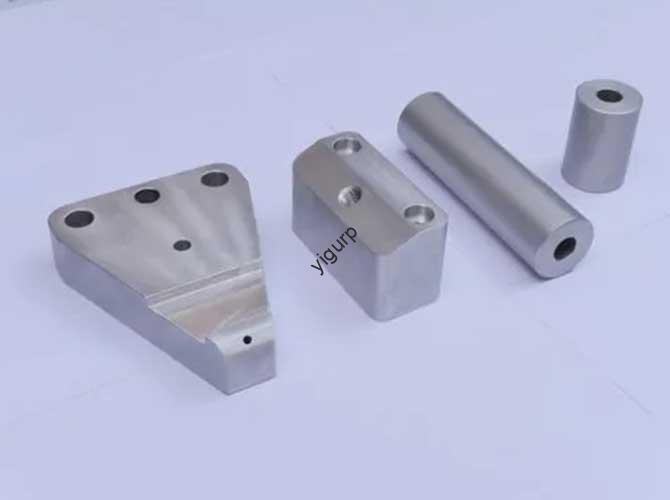
magnesium alloy cnc machining

What Is Large-Scale Die Casting and How to Leverage Its Manufacturing Potential?

Introduction If you follow manufacturing trends, you have heard about large-scale die casting. Tesla calls it Giga-casting. Volvo calls it Mega-casting. The idea is simple but transformative: instead of stamping dozens of parts and welding them together, you cast the entire structure as one piece. A rear floor that once required 70 stamped parts and […]
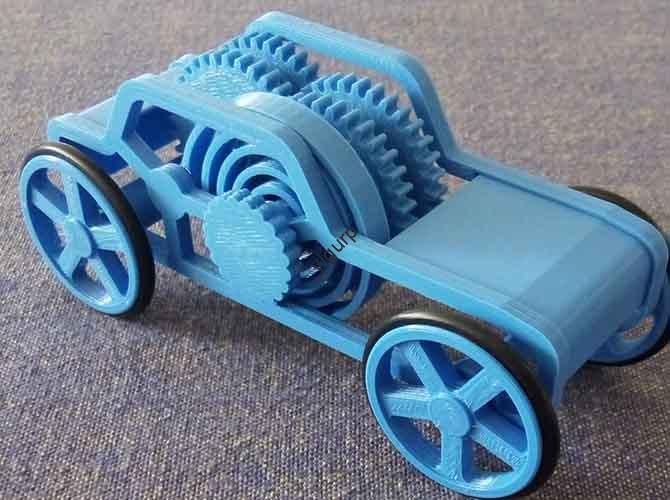
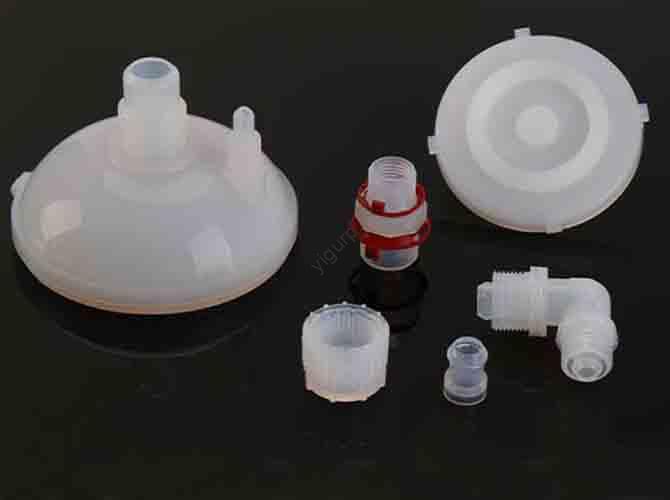
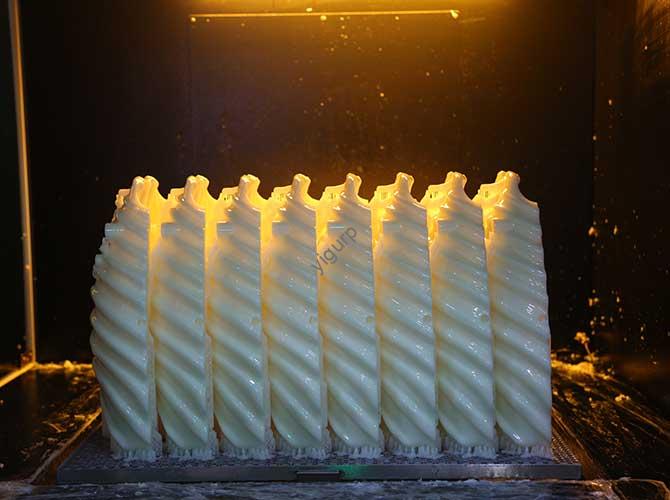
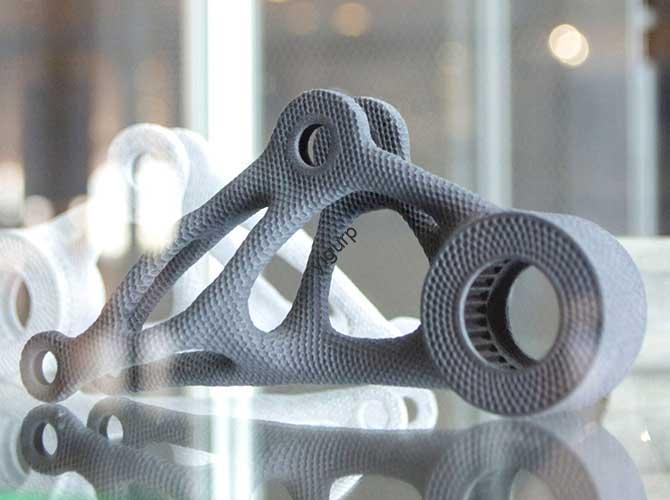
3D printed part

How 3D Printing is Revolutionizing Lighting Prototypes

The lighting industry is in the midst of a bright revolution. It’s no longer just about illumination; it’s about smart technology, sustainable design, and unique aesthetics that become the centerpiece of a room. For designers and manufacturers, this creates immense pressure: How do you rapidly innovate, personalize designs, and reduce environmental impact without blowing your

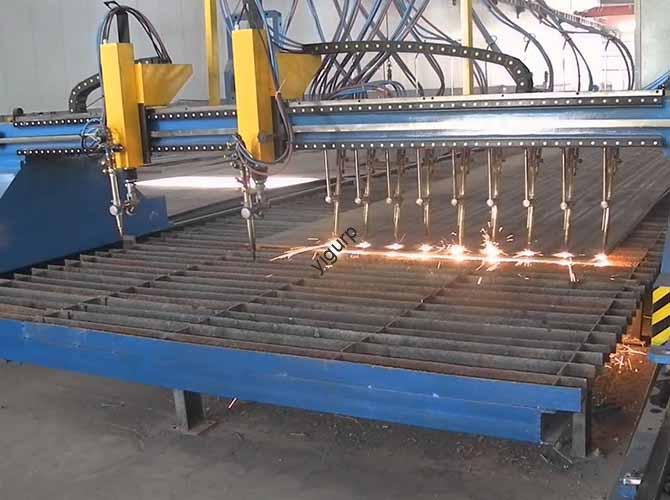
cnc flame cutting

Why Is the CNC Machining Foot Bath Prototype Process So Effective?

Introduction Designing a new foot bath is more complex than it looks. You are not just making a plastic tub. You are building a device that must heat water safely, create a relaxing massage, and keep electricity far away from water. Every part, from the curve of the basin to the spacing of the massage

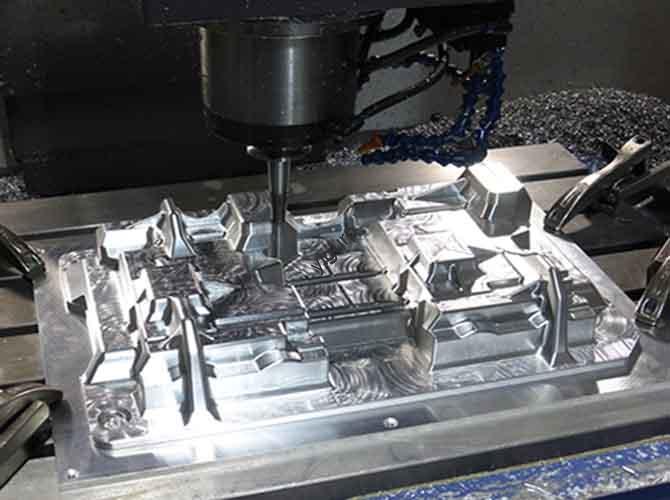
mold part cnc machining

Can CNC Lathe Continuous Machining Double Your Factory Output?

In the high-stakes world of precision manufacturing, the pressure to deliver more parts in less time never fades. Many shops still rely on manual loading or single-process setups, often watching their efficiency drop by 30% due to machine idle time. CNC lathe continuous machining has emerged as the definitive solution to these bottlenecks. By enabling

pc material

Is 3D Printed Carbon Fiber the Ultimate Manufacturing Upgrade?

As a seasoned content strategist and product engineer, I’ve seen countless technologies promise to revolutionize manufacturing. 3D printing carbon fiber stands out because it delivers real, measurable change. This isn’t just another prototyping tool; it’s a production method that solves core engineering challenges. It marries the legendary strength-to-weight ratio of carbon fiber with the radical

cnc metal prototype machining

How to Get a Perfect CNC Metal Finish?

Machining a CNC metal prototype is only the first step. Even the best machines leave tiny flaws. You might see tool marks, rough edges, or small burrs. These flaws can ruin the look and the fit of your part. Polishing is the vital post-processing step that fixes these issues. It makes your prototype look professional

cnc metal prototype machining

Which High-Precision 3D Printer Is Right for Your Industrial Projects?

In the fast-paced world of industrial manufacturing, the line between a successful prototype and a costly failure often comes down to a fraction of a millimeter. Whether you are an aerospace engineer developing lightweight turbine components or a medical device designer creating custom surgical guides, the “precision” of your 3D printer is your most critical

flame retardant plastics cnc machining

Can You Really Test a CNC Program Before Cutting Metal?

Every machinist fears the sound of a crash. Broken tools, ruined parts, and damaged machines are costly. What if you could press “start” with total confidence? CNC machining simulation technology makes this possible. It’s a virtual testing ground for your machining programs. This guide explains how simulation works, where it saves the most money, and

cnc plastic prototype

Can CNC High-Precision Machining Perfect Your Prototype?

In the fast-paced world of product development, creating accurate and reliable prototypes is a make-or-break step. Whether you are verifying a new design, testing product functionality, or preparing for a high-stakes market presentation, the CNC high-precision machining prototype process stands out as the premier choice for professional engineering teams. This method excels at turning complex

metal parts custom manufacturing

EN 1.4539 Super Austenitic Stainless Steel: A Guide for Industries

When your project involves chemical processing, desalination, or other harsh environments where standard stainless steels fail, you need a material that delivers exceptional corrosion resistance without compromising strength or fabricability. EN 1.4539 super austenitic stainless steel is engineered for these demanding conditions. With high nickel, chromium, molybdenum, and copper content, it offers outstanding resistance to

composite 3d printing

What Are the Common CNC Types of Tools and Their Uses?

Introduction Walk into any CNC machining shop, and you will see rows of cutting tools organized neatly on shelves. Each tool serves a specific purpose. Choosing the wrong one can ruin a part, break the tool, or waste hours of production time. Choosing the right one makes the difference between profitable work and constant headaches.

CNC machining Parts Services

316 Stainless Steel Threaded Rod: The Ultimate Guide for Industrial Applications

316 stainless steel threaded rod is a high-performance fastener made from a molybdenum-bearing austenitic stainless steel. Its defining characteristic is its exceptional corrosion resistance, particularly in chloride-rich environments, which is significantly superior to that of standard 304 stainless steel. The addition of 2-3% molybdenum provides enhanced resistance to pitting and crevice corrosion, making it the

low pressure infusion

3D Printing Technology Comparison: MJF vs. SLS – Which Suits Your Project?

If you’re in product design, industrial manufacturing, or prototyping, choosing between HP Multi-Jet Fusion (MJF) and Selective Laser Sintering (SLS) 3D printing technologies can feel overwhelming. Both excel at printing with polymers and elastomers, create complex parts without supports, and deliver durable results—but their differences in materials, speed, cost, and part quality make them better

Scroll to Top