Author name: Yigu Rapid Prototype

Yigu Rapid Prototype has experience in rapid prototyping and batch manufacturing services, helping customers with entire manufacturing process from ideas to industrial product.

acrylonitrile butadiene styrene abs injection molding

Is PVC a Viable Material for Durable, Low-Cost 3D Printing?

When most people think of 3D printing, they picture colorful PLA trinkets or tough ABS prototypes. But what about applications that demand more—parts that must endure harsh weather, chemical exposure, and mechanical stress while keeping costs in check? This is where 3D printing material PVC, or polyvinyl chloride, emerges as a serious contender. Gaining traction […]
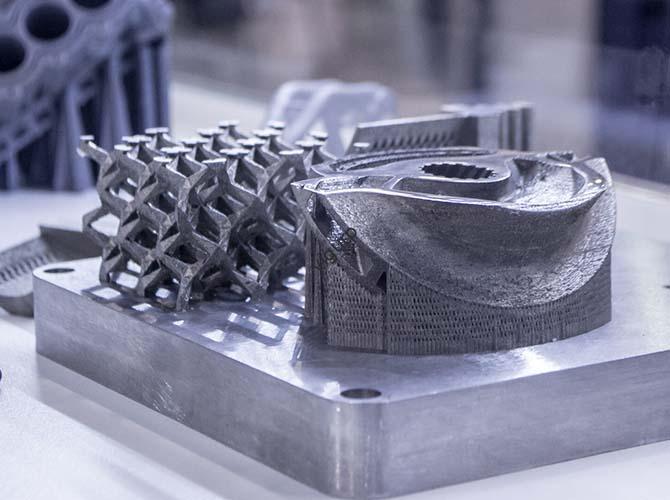
man is holding object printed on metal 3d printer.

Why Is Aluminum Alloy Die Casting Heat Treatment Essential for High-Quality Parts?

Introduction Raw aluminum die castings straight from the mold rarely meet demanding performance requirements. They contain internal stresses, inconsistent grain structures, and less-than-optimal mechanical properties. Heat treatment transforms them. It eliminates stress, boosts strength by 20-40% , stabilizes dimensions, and improves machinability. For automotive engine brackets, aerospace fittings, and precision electronic housings, heat treatment is

Sheet metal

Is Bending Molding the Smart Choice for Your Manufacturing Needs? A Data-Backed Guide

Introduction In the competitive world of manufacturing, choosing the right sheet metal processing technique can make or break your project’s budget and timeline. Bending molding has emerged as a go-to solution for good reason. It solves three major headaches manufacturers face daily: high startup costs, slow design changes, and material waste. Whether you’re building a

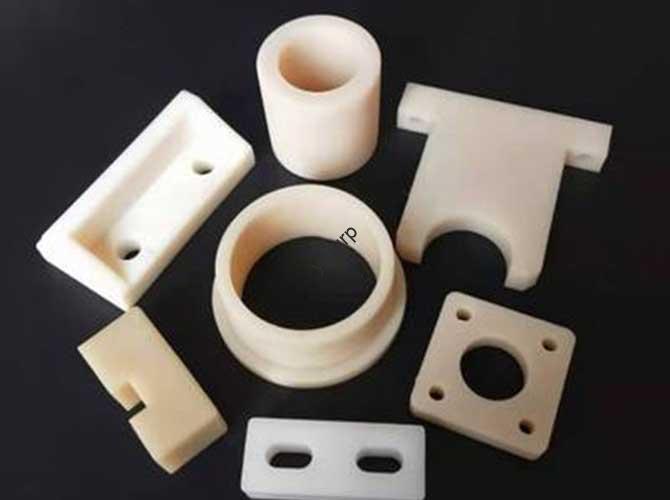
polyoxymethylene pom injection molding

How Can You Print Faster Without Losing Quality?

Achieving faster 3D prints often feels like a trade-off, where gains in speed lead to losses in detail and strength. However, true optimization is about intelligent balance. This guide moves beyond basic speed settings to explore the core mechanics that dictate print time. You will learn how factors like nozzle dynamics, material flow, and firmware

polyethylene pe injection molding

How to Choose the Perfect SLS 3D Printing Material?

Selective Laser Sintering (SLS) 3D printing stands out for its ability to create complex, functional parts directly from powdered materials like nylon, metal, and ceramic, all without the need for traditional support structures. The key to unlocking its full potential lies in selecting the right material from the diverse range available. This guide breaks down

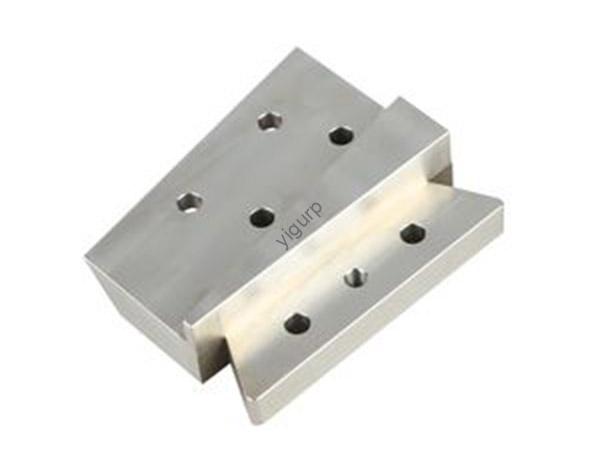
metal parts custom manufacturing

EN S690QL High Strength Steel: Properties, Uses & Expert Comparison

When your project involves the most extreme structural demands—80-story skyscrapers, deep-sea offshore platforms, or 2,000-ton cranes—you need a steel that delivers exceptional strength without compromising toughness. EN S690QL high strength steel represents the pinnacle of structural steel for these high-stakes applications. With a minimum yield strength of 690 MPa and impact toughness of 34 J

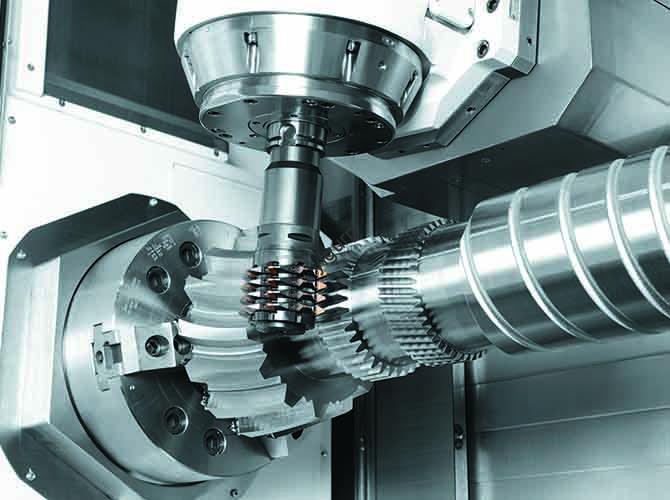
cnc mill turning

How to Build a Reliable CNC Electric Curtain Prototype?

This guide walks you through making a smooth, durable CNC electric curtain prototype. Whether you’re a product designer, home decor brand, or hobbyist, we break down each step in simple, everyday English. We focus on real-world experience, clear data, and practical tips—no advanced engineering skills needed. By the end, you’ll know how to create a

metal parts custom manufacturing

AISI 4130 Alloy Steel: Properties, Uses & Practical Guide

AISI 4130 alloy steel is a low-carbon chromium-molybdenum (Cr-Mo) steel known for its excellent balance of strength, weldability, and toughness. Its carbon content of 0.28-0.33% is lower than many other alloy steels, which gives it superior weldability while still allowing it to be heat-treated to high strength levels. The addition of chromium and molybdenum provides

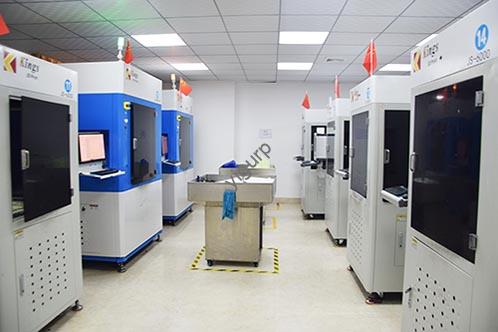
3d printing equipment 6

What Is Industrial 3D Printer? A Complete Guide for Manufacturers

If you’re in manufacturing, aerospace, automotive, or healthcare, you’ve probably heard about 3D printing—but industrial 3D printers are a world apart from consumer-grade models. Unlike hobbyist printers that make small toys or prototypes, industrial-grade systems are built for heavy-duty production, precision, and reliability. They turn digital designs into functional parts, tools, and even end-use products

polyester pbt cnc machining

How Do You 3D Print Models That Are Too Big or Complex?

Introduction You’ve downloaded that epic, highly detailed model—a majestic dragon, a full-scale prop replica, or a complex mechanical assembly. Your excitement turns to frustration when your slicing software flashes a dreaded warning: “Model exceeds build volume.” Or perhaps it fits, but the preview shows a chaotic forest of support material that would cost a fortune

anodize sheet metal fabrication

What Is 18 Gauge Automotive Sheet Metal? A Complete Guide for Auto Repairs

Introduction That rust spot on the side panel will not fix itself. The floor where you can see the ground through it needs more than a quick patch. For real, long-lasting auto body repairs, you need to work with metal. For many projects—from classic car restoration to modern vehicle patch repairs—18 gauge automotive sheet metal

metal parts custom manufacturing

EN 1.4125 Stainless Bearing Steel: Properties, Uses & Comparison Guide

When your application involves bearings that must operate in wet, chemically exposed, or sanitary environments—food processing lines, marine equipment, or chemical pumps—you need a material that combines corrosion resistance with the hardness and wear resistance required for bearing service. EN 1.4125 stainless bearing steel delivers exactly this combination. As a martensitic stainless steel with high

metal parts custom manufacturing

EN L415 Pipeline Steel: Properties, Uses & Manufacturing Guide

EN L415 pipeline steel is a high-strength grade defined by European standards EN 10217 and EN 10297. It has a minimum yield strength of 415 MPa, placing it above mid-range grades like EN L360 and making it suitable for the most demanding pipeline applications. Its advanced microalloy design, incorporating vanadium, molybdenum, and niobium, provides an

Scroll to Top