
Our Polyphenylene Oxide PPO Injection Molding Services
Elevate your product reliability with Yigu Technology’s Polyphenylene Oxide (PPO) Injection Molding services—the premier choice for high-stability, high-performance thermoplastic components.
From UL 94 V-0 electrical housings to autoclaveable medical trays, we combine micro-precision capabilities, clean-room production, and advanced modified PPO (mPPE) formulations to deliver parts that excel in harsh environments. Backed by ISO 13485/9001 certifications and 24/7 support, we turn your PPO molding challenges into cost-effective, industry-leading solutions.
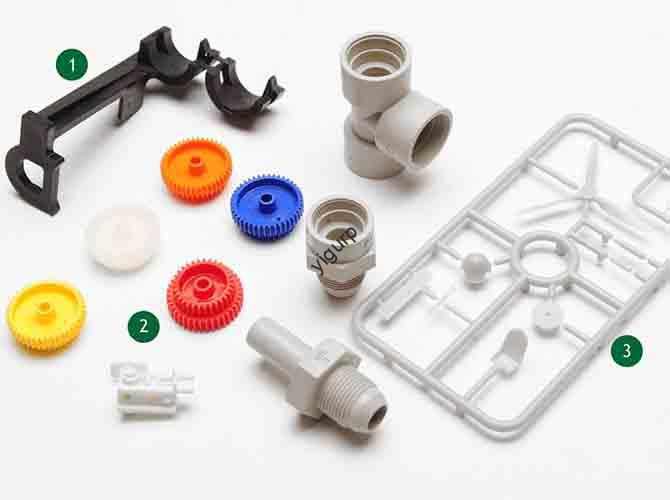
Our PPO Injection Molding Capabilities: Precision at Every Scale
Yigu Technology’s PPO injection molding capacity is engineered to handle projects of all sizes—from micro-scale medical components to high-volume automotive parts—while maintaining strict quality standards. Our facility specializes in overcoming PPO’s unique processing challenges (like high melt viscosity) to deliver consistent, high-quality parts.
Core Capabilities Overview
| Capability | Specification | Ideal Applications |
| Tolerance Control | ±0.01 mm for micro parts; ±0.03 mm for standard components | Water-meter housings, micro-electrical connectors |
| Micro PPO Molding | Parts as small as 0.8 mm (length) with intricate features | Medical device components, telecom micro-pins |
| High-Volume Production | Up to 6 million parts/year (via multi-cavity tooling) | Automotive HVAC valves, consumer electronics frames |
| Clean-Room PPO Service | Class 7 (10,000) and Class 8 (100,000) certified rooms | Medical instrument trays, FDA-compliant fluid manifolds |
| Advanced Molding | 2-shot PPO molding, insert/over-molding (compatible with metals/plastics) | Over-molded connectors, multi-material pump bodies |
| Multi-Cavity PPO Tooling | Up to 32-cavity molds (for small parts like relay blocks) | High-volume electrical components |
What Is PPO Injection Molding?
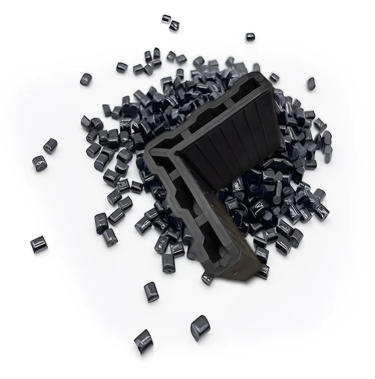
PPO Injection Molding is a specialized manufacturing process that shapes Polyphenylene Oxide (PPO)—a high-performance thermoplastic—and its modified variant (modified PPO, or mPPE) into custom parts via high-pressure injection into precision molds. Unlike many thermoplastics, PPO boasts inherent thermal stability and low moisture absorption, making PPO thermoplastic molding ideal for applications where dimensional consistency and reliability are non-negotiable.
At its core, PPO plastic molding leverages the material’s unique molecular structure: a rigid aromatic backbone that resists heat, chemicals, and warping. Modified PPO (mPPE) enhances these traits further—blending PPO with other polymers (like polystyrene) to improve processability without sacrificing performance. This versatility is why PPO injection molding is trusted across electrical, automotive, and medical industries.
Key Traits of PPO Molding
| Trait | Description | Relevance to Molding |
| Thermoplastic Behavior | Softens at high temps (250–300°C), hardens when cooled—reversible | Enables high-volume production and complex part geometries |
| Low Moisture Absorption | <0.1% water uptake (24hrs at 23°C) | Ensures dimensional stability in humid environments (e.g., HVAC valves) |
| Heat Resistance | Continuous use temp: 120–150°C (up to 200°C short-term) | Ideal for heat-exposed parts (e.g., EV battery insulators) |
| Electrical Insulation | Low dielectric constant (2.5–3.0) | Perfect for electrical housings and telecom components |
The PPO Injection Molding Process: Step-by-Step Excellence
PPO’s high melt viscosity requires careful process control—rushing steps or ignoring temperature limits can lead to warping or incomplete filling. Our optimized workflow ensures every PPO part meets your exact specifications.
Step 1: Resin Preparation
We start with dry PPO resin grades—moisture content must stay <0.05% (PPO absorbs minimal water, but even small amounts cause bubbles). For specialized parts, we blend additives: glass fibers (for strength), flame retardants, or pigments. Glass-filled PPO grades are mixed in a twin-screw extruder to ensure uniform fiber distribution.
Step 2: Screw & Barrel Setup
PPO’s high viscosity demands specialized PPO screw & barrel design:
- Deep feed zones (to avoid shear heating)
- Low compression ratios (2:1 to 2.5:1)
- Hardened barrel liners (to resist abrasion from glass-filled grades)
This setup ensures smooth resin flow without degradation.
Step 3: Injection & Temperature Control
Resin is heated to the PPO melt temperature window (260–300°C) and injected into the mold at 900–1,400 bar pressure. Injection speed is calibrated to part thickness—slower for thin walls (e.g., electrical housing walls) to prevent jetting. We use in-mold cooling for PPO—precision water channels keep mold temp at 60–90°C, reducing PPO molding cycle time to 20–60 seconds (varies by part size).
Step 4: Demolding & Degating
After cooling, parts are demolded gently (PPO is rigid but can crack if forced). We use automated PPO degating technique—laser cutting for small parts (e.g., micro-connectors) or punch tools for larger components—ensuring clean, burr-free edges.
Step 5: Quality Inspection
Every batch undergoes 100% inspection:
- Dimensional checks (via CMM machines)
- PPO mold shrinkage control verification (shrinkage rate: 0.2–0.8%, depending on grade)
Functional tests (e.g., heat resistance at 150°C for 24hrs, electrical insulation checks)
PPO Materials: Formulations for Every Industry Need
The right PPO formulation defines part performance. We offer a wide range of PPO resin grades tailored to industry-specific demands—from flame-retardant electrical parts to FDA-compliant medical devices.
Popular PPO Formulations We Supply
| Formulation Type | Key Properties | Target Applications |
| General-Purpose PPO | Good dimensional stability, cost-effective | Consumer electronics frames, telecom parts |
| FDA-Compliant PPO Compounds | Non-toxic, sterilizable (autoclave/ETO), FDA 21 CFR 177.2420 | Medical instrument trays, fluid handling manifolds |
| Glass-Filled PPO Grades | 40–60% higher tensile strength (80–100 MPa), improved stiffness | Pump bodies, automotive HVAC valves |
| Flame-Retardant PPO Resins | UL 94 V-0 rated (0.8mm thickness), low smoke emission | Electrical housings, EV battery insulators |
| Impact-Modified PPO | High Izod impact strength (20–50 J/m), shatter-resistant | Dishwasher valve bodies, outdoor electrical components |
| Conductive PPO Grades | Surface resistance <10⁶ Ω, anti-static | Electronics frames (ESD protection), sensor housings |
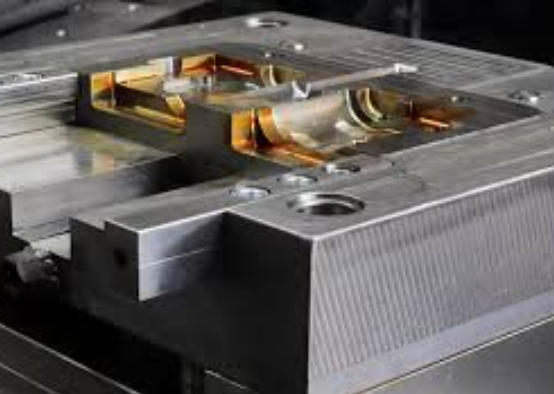
Advantages of PPO: Why It Outperforms Other Thermoplastics
PPO stands out among high-performance thermoplastics for its unbeatable balance of stability, durability, and versatility. Here’s why it’s the top choice for demanding applications:
- PPO Dimensional Stability Benefit: Shrinkage rate of 0.2–0.8% (vs. 1.5–2.5% for nylon), ensuring parts fit perfectly even in temperature-fluctuating environments (e.g., automotive engines).
- PPO Low Moisture Absorption: <0.1% water uptake (vs. 1.5% for ABS), making it ideal for humid settings (e.g., HVAC valves, outdoor telecom parts).
- PPO Electrical Insulation Value: Low dielectric constant (2.5–3.0) and high volume resistivity (10¹⁶ Ω·cm), outperforming PVC for high-voltage electrical housings.
- PPO Heat Resistance Advantage: Continuous use at 120–150°C (vs. 80–100°C for polycarbonate), suitable for EV battery insulators and heat-exposed automotive parts.
- PPO Flame Retardancy Edge: Easily formulated to UL 94 V-0 (0.8mm), critical for electrical components in enclosed spaces (e.g., server rooms).
- PPO Chemical Resistance Plus: Resists oils, greases, and most industrial solvents—perfect for pump bodies and fluid manifolds.
- PPO Colorability & Clarity: Available in clear grades (for sight glasses) or custom colors (via pigmented PPO pellets), with excellent UV stability.
PPO Injection Molding Applications: Across Key Industries
PPO’s versatility makes it indispensable in industries where reliability, stability, and performance are critical. Our clients trust our molding expertise to solve their toughest challenges.
Industry-by-Industry Applications & Solutions
| Industry | Key Applications | Our Molding Solution |
| Electrical | PPO molded electrical housings, relay blocks, EV battery insulators | Flame-retardant PPO (UL 94 V-0), tight tolerances (±0.02 mm) |
| Automotive | PPO automotive HVAC valves, pump bodies, sensor housings | Impact-modified/glass-filled PPO, IATF 16949 compliant |
| Medical | PPO medical device components, instrument trays, fluid manifolds | FDA-compliant PPO, clean-room molding (Class 7) |
| Consumer Electronics | PPO consumer electronics frames, antenna reflectors | Conductive/anti-static PPO, 2-shot molding (for multi-material parts) |
| Industrial | PPO fluid handling manifolds, filter bodies, meter housings | Chemical-resistant/glass-filled PPO, post-mold machining |
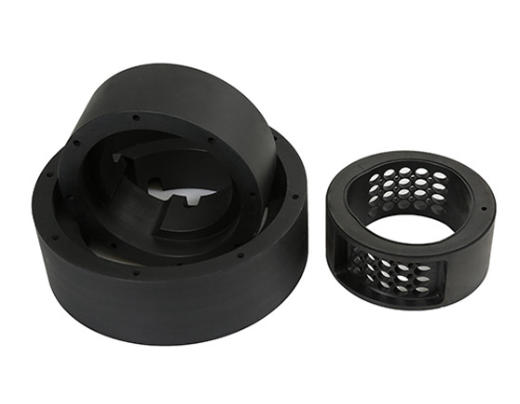
Case Study: UL 94 V-0 PPO Relay Block for an Electrical Manufacturer
A leading electrical supplier needed a UL 94 V-0 PPO relay block that could withstand high voltage (1,000V), resist heat (150°C), and meet strict dimensional standards (±0.02 mm). Their previous part (made from PVC) failed flame tests and warped in high temps.
Our Solution:
- Material Selection: Chose flame-retardant PPO resin (UL 94 V-0 at 0.8mm) with high dielectric strength (25 kV/mm) and low moisture absorption.
- Mold Design: Used a 12-cavity mold with in-mold cooling for PPO—precision water channels ensured uniform cooling, minimizing warpage. Added ejector pins at stress points to prevent cracking.
- Process Optimization: Set melt temp to 280°C, mold temp to 80°C, and injection pressure to 1,100 bar. Used low-shear molding to avoid resin degradation and ensure consistent flame-retardant properties.
Results:
- The relay block passed UL 94 V-0 testing (0.8mm thickness) and 1,000V electrical insulation tests with no failures.
- Dimensional accuracy stayed within ±0.015 mm (exceeding the client’s ±0.02 mm requirement).
- Warpage was reduced by 70% vs. the PVC part—critical for relay fitment.
The client scaled up to 300,000 units/year with our high-volume lines, cutting costs by 18% vs. using PEEK.