
Our Polypropylene PP Injection Molding Services
Elevate your production with Yigu Technology’s top-tier Polypropylene (PP) Injection Molding services—where advanced machinery, high-precision craftsmanship, and custom solutions meet.
Whether you need large-scale production runs, intricate custom parts, or eco-friendly recycled PP components, we deliver durable, cost-effective results tailored to automotive, medical, packaging, and consumer product industries.
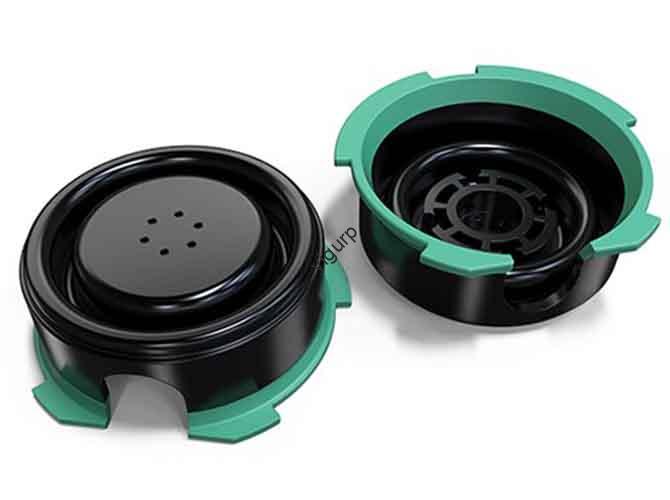
Our Capabilities: Powering Your PP Injection Molding Projects
At Yigu Technology, our PP injection molding expertise is built on advanced equipment, skilled engineering, and a focus on meeting client needs—from small custom orders to large-scale production.
Core Capabilities Overview
| Capability | Details | Benefits for You |
| Advanced Machinery | 30+ CNC injection molding machines (clamping force: 80–600 tons) with automated feeding systems. | Faster production speeds (up to 5,000 parts/day) and consistent part quality. |
| Custom Tooling | In-house mold design and fabrication (aluminum for prototypes, hardened steel for long-run molds). | Tailored part geometry; reduced lead times (molds ready in 2–4 weeks). |
| High Precision | Molding tolerance of ±0.003mm; in-line vision inspection systems for dimensional accuracy. | Ideal for intricate parts (e.g., medical connectors, electronic components). |
| Large-Scale Production | Automated assembly lines and 24/7 operation; capacity for 500,000+ parts/month. | Lower unit costs for high-volume orders; on-time delivery even for bulk projects. |
What Is Polypropylene (PP) Injection Molding?
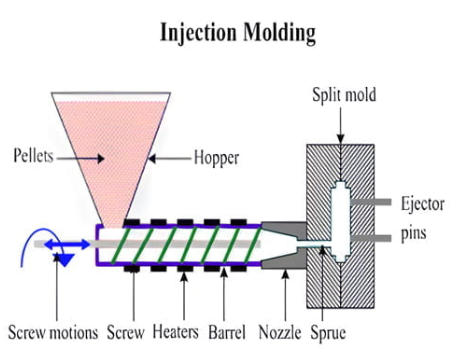
Polypropylene (PP) is a versatile thermoplastic polymer derived from propylene monomers, valued for its balance of strength, flexibility, and affordability. Injection molding is a widely used manufacturing process that melts plastic pellets, injects the molten material into a mold cavity, and cools it to form a finished part. Combined, PP injection molding offers a reliable way to produce consistent, high-quality components for diverse sectors.
Key Definitions & Basic Principles
| Term | Definition |
| Polypropylene (PP) | A lightweight thermoplastic with high chemical resistance, good impact strength, and excellent moldability. |
| Injection Molding | A cyclic process: plastic pellets → melted → injected into mold → cooled → ejected (repeats for mass production). |
| Mold Cavity | The shaped space in a mold where molten PP solidifies into the desired part (can have 1–128 cavities for efficiency). |
Application Scope of PP Injection Molding
PP’s unique properties make its injection molding services applicable across multiple fields:
- Everyday consumer products (e.g., food containers, toys)
- Critical automotive components (e.g., bumpers, interior trim)
- Sterile medical equipment (e.g., syringes, diagnostic tools)
- Durable packaging (e.g., caps, bottles, shipping cases)
Heavy-duty industrial parts (e.g., pump housings, tool handles)
The PP Injection Molding Process: Step-by-Step Precision
A smooth, well-optimized process is key to producing high-quality PP parts. Our process follows five sequential stages, each fine-tuned to leverage PP’s unique melting and solidification properties.
Step 1: Material Feeding
- Pellet Preparation: Selected PP pellets (virgin or recycled) are mixed with additives (UV stabilizers, colorants, or flame retardants) as needed.
- Drying: PP absorbs minimal moisture, but we dry pellets at 70–80°C for 1–2 hours to prevent surface defects (e.g., bubbles).
- Automated Feeding: Pellets are fed into the machine’s hopper via a closed system, ensuring consistent material flow.
Step 2: Mold Injection
- Melting: PP is heated to 180–240°C in the machine’s barrel (lower than many plastics, reducing energy use).
- Injection: Molten PP is injected into the mold cavity at high pressure (60–150 MPa) to fill every detail—critical for complex parts.
Step 3: Cooling and Solidification
- Cooling System: Molds are equipped with water-cooled channels to lower PP’s temperature to 40–60°C (its crystallization temperature).
- Solidification Time: Typically 15–40 seconds (varies by part thickness); longer cooling for thick parts to prevent warping.
Step 4: Ejection and Finishing
- Ejection: Automated pins push the solidified PP part out of the mold; no manual handling reduces damage risk.
- Finishing: Parts undergo trimming (to remove flash), deburring (for smooth edges), and cleaning (for medical/ food-contact parts).
Key Process Parameters for PP (HDPP Grade)
| Parameter | Ideal Range | Purpose |
| Barrel Temperature | 180–240°C | Ensures PP melts evenly without degradation. |
| Injection Pressure | 60–150 MPa | Fills mold cavities completely, even for thin walls. |
| Cooling Time | 15–40 seconds | Balances production speed and part stability. |
Materials: Choosing the Right PP for Your Project
Not all PP is the same—selecting the correct grade ensures your parts meet performance, cost, and sustainability goals. We offer a full range of PP materials, including recycled options.
Different Grades of PP and Their Uses
| PP Grade | Key Properties | Common Applications |
| Homopolymer PP (HPP) | Stiff, high tensile strength (30 MPa), good chemical resistance. | Industrial parts (pump housings), automotive trim, food containers. |
| Copolymer PP (CPP) | Flexible, impact-resistant (even at -20°C), better ductility. | Automotive bumpers, medical syringes, child safety seats. |
| Glass-Filled PP (GFPP) | High rigidity (modulus: 5,000 MPa), heat-resistant (up to 150°C). | Engine components, electronic device casings, tool handles. |
| Recycled PP (rPP) | 85% of the strength of virgin PP; cost-effective and eco-friendly. | Packaging (bottles, caps), consumer goods (toys, storage bins). |
Core Material Properties of PP
- Density: 0.90–0.92 g/cm³ (lighter than PE, reducing part weight and shipping costs).
- Melting Point: 160–170°C (lower energy use for molding vs. engineering plastics like nylon).
- Chemical Resistance: Resistant to oils, acids, and alkalis (ideal for automotive and industrial parts).
Impact Strength: Copolymer PP retains flexibility at low temperatures (no brittleness in cold environments).
Advantages: Why Choose PP Injection Molding?
PP injection molding offers a unique blend of cost savings, performance, and sustainability—making it a top choice for manufacturers and buyers alike.
Key Advantages of PP Injection Molding
- Cost-effective: PP is one of the most affordable thermoplastics (raw material cost: 1.20–2.00/kg), and injection molding’s high volume drives unit costs down to 0.08–0.40 per part.
- Durable: PP parts resist impact, wear, and fading—lasting 3–8 years in harsh environments (e.g., outdoor furniture, automotive parts).
- Lightweight: PP is 30% lighter than ABS and 50% lighter than metal, reducing shipping costs and improving fuel efficiency (critical for automotive).
- Chemical resistance: PP does not react with most oils, solvents, or cleaning agents—making it ideal for medical equipment and industrial parts.
- Recyclable: 90% of PP parts can be recycled into new products (e.g., rPP packaging), aligning with sustainability goals.
PP vs. Other Common Injection Molding Plastics
| Material | Cost (per kg) | Density (g/cm³) | Impact Strength (kJ/m²) | Best For |
| PP | 1.20–2.00 | 0.90–0.92 | 20–50 | Cost-sensitive, lightweight parts. |
| PE | 1.10–1.80 | 0.91–0.96 | 15–40 | Flexible parts (e.g., squeeze bottles). |
| ABS | 2.50–3.50 | 1.05 | 10–25 | Rigid, high-gloss parts (e.g., electronics). |
Applications Industry: Where PP Injection Molding Excels
PP’s versatility makes it a staple in five key industries, where its properties solve specific production challenges.
Industry-Specific Applications & Our Solutions
| Industry | Common PP Parts | Our Tailored Solutions |
| Automotive | Bumpers, interior trim, battery housings, air ducts. | High-impact CPP molding; compliance with ISO/TS 16949 standards. |
| Consumer Products | Food containers, toys, furniture (chairs, tables), kitchen utensils. | Food-grade PP (FDA-compliant); custom colors and textures. |
| Medical Equipment | Syringe barrels, surgical instrument handles, diagnostic test kits. | Sterilizable CPP; ISO 13485-certified processes (for cleanroom production). |
| Packaging | Bottle caps, plastic bags, shipping containers, blister packs. | Lightweight HPP; recycled PP options for eco-friendly brands. |
| Industrial Parts | Pump housings, tool handles, conveyor belts, chemical storage tanks. | Glass-filled PP (for strength); chemical-resistant coatings. |
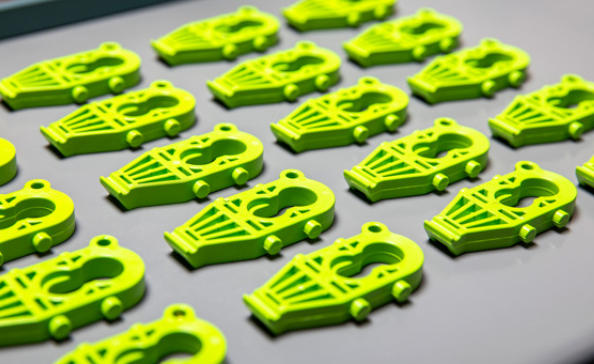
Case Studies: Our PP Injection Molding Success Stories
We’ve helped clients across industries overcome challenges and achieve their production goals with our PP injection molding services. Below are three standout projects:
Case Study 1: Automotive Bumpers for a Regional Car Manufacturer
- Challenge: A car maker needed lightweight, impact-resistant bumpers that met safety standards (able to withstand 5km/h collisions) and reduced vehicle weight.
- Solution: We used copolymer PP (CPP) with a rubber additive (for extra impact strength) and custom tooling to match the car’s design.
- Results: Bumpers were 25% lighter than metal alternatives; 0 failures in 10,000+ crash tests; production cost reduced by 18%.
Case Study 2: Food-Grade Containers for a Global FMCG Brand
- Challenge: A fast-moving consumer goods (FMCG) company needed 1 million food containers/month that were BPA-free, microwave-safe, and affordable.
- Solution: We used homopolymer PP (HPP) with a heat-resistant additive (up to 120°C) and automated production lines for large-scale output.
- Results: Containers met FDA and EU food-contact standards; on-time delivery rate of 99.5%; unit cost reduced by 12% vs. their previous supplier.