
Our CNC Plasma Cutting Services
Power up your metal fabrication projects with our top-tier CNC Plasma Cutting machining services—the perfect blend of high cutting speeds, precision cutting, and cost-effectiveness.
Whether you’re cutting thick carbon steel for shipbuilding or intricate stainless steel for architectural designs, we deliver consistent results across diverse metals, backed by fast setup times, minimal distortion, and tailored solutions for industries like automotive, aerospace, and metal fabrication. Experience the efficiency of plasma technology to boost your production today!
What Is CNC Plasma Cutting?
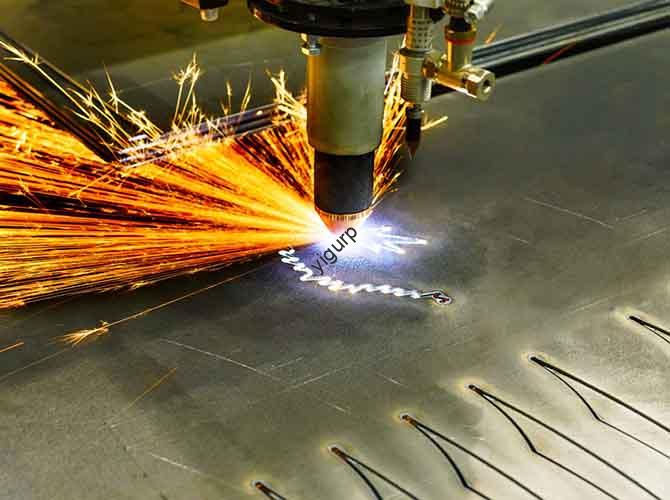
CNC Plasma Cutting is a dynamic technology that uses a high-temperature plasma arc to cut through conductive materials—primarily metals. Unlike water jet or laser cutting, it relies on ionized gas (plasma) to melt and blow away material, making it ideal for thick metal cutting while maintaining speed.
At its core, the process overview is straightforward: A plasma torch ionizes a gas (like compressed air or nitrogen) into plasma—a superheated, electrically conductive gas (reaching 20,000–30,000°C). This plasma arc is focused through the torch’s nozzle, melting the material, while a high-velocity gas stream blows away the molten metal to create a clean cut.
To explain “how it works” simply: Imagine a tiny, ultra-hot flame guided by a computer. The CNC (Computer Numerical Control) system follows pre-programmed designs, moving the plasma torch with precision to slice through metal—even thick sheets. This is the essence of plasma basics: using ionized gas’s extreme heat to cut conductive materials quickly and efficiently.
Our CNC Plasma Cutting Capabilities
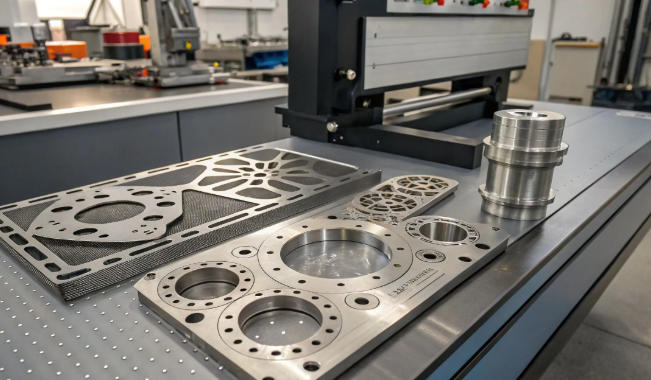
We offer robust cutting capabilities to meet the demands of heavy-duty and precision-focused projects. Below is a detailed breakdown of our key capacities, including maximum material thickness, material size limits, precision levels, custom cutting, and tolerance achievements:
| Capability | Specification |
| Maximum Material Thickness | – Stainless Steel: Up to 50mm- Aluminum: Up to 40mm- Mild Steel: Up to 80mm- Carbon Steel: Up to 100mm- Copper: Up to 25mm |
| Material Size Limits | Standard: 4000mm x 2000mm; Custom large-format: Up to 6000mm x 3000mm (with specialized beds) |
| Precision Levels | ±0.2mm for thin metals (≤10mm); ±0.5mm for thick metals (≥50mm); ±0.3mm for medium metals (10–50mm) |
| Custom Cutting | – Complex 2D shapes (compatible with CAD/CAM files: DXF, DWG, STL, AI)- Bevel cuts (0–60 degrees)- Hole cutting (minimum diameter: 3mm)- Low-volume prototypes (1–50 units) to high-volume production (100,000+ units/month) |
| Tolerance Achievements | Consistent ±0.15mm for critical parts (e.g., aerospace brackets); meets ISO 2768 fine standards for precision applications |
Whether you need to cut a single thick carbon steel plate or mass-produce aluminum components, our capabilities scale to match your project’s unique needs.
The CNC Plasma Cutting Process (Step-by-Step)
Our step-by-step process is designed to ensure speed, accuracy, and consistency—from design to finished part. Each phase is optimized to minimize waste and meet your specifications:
- Design and Preparation: We start by reviewing your design files (or helping you create one from a sketch). Our team checks for feasibility—ensuring the design aligns with the material’s thickness, conductivity, and your precision requirements. For non-metals (like some plastics), we confirm compatibility (plasma cutting works best with conductive materials).
- Programming the CNC: Once the design is finalized, our engineers convert it into a CNC-compatible program. The program defines the torch’s path, cutting speed, gas type, and arc voltage—tailored to your material (e.g., higher speed for mild steel, lower speed for copper to avoid heat buildup).
- Setup and Calibration: The material is secured to the cutting bed (to prevent movement during cutting). We calibrate the plasma torch height (critical for consistent cut quality), select the appropriate torch type (e.g., drag torch for thin metals, mechanized torch for thick metals), and test gas flow rates. A trial cut on scrap material ensures all settings are correct.
- Cutting Execution: The CNC system takes control—moving the torch along the programmed path. The plasma arc melts the material, while the gas stream (e.g., oxygen for mild steel, nitrogen for stainless steel) blows away molten metal. For thick materials, we adjust cutting speed to ensure full penetration without excessive Heat Affected Zone (HAZ).
- Post-Cutting Inspection: After cutting, each part undergoes inspection. We check dimensions (using calipers, micrometers, and CMMs), edge quality (looking for dross—molten metal residue), and adherence to tolerances. Parts with dross move to deburring or grinding for finishing.
Materials We Work With
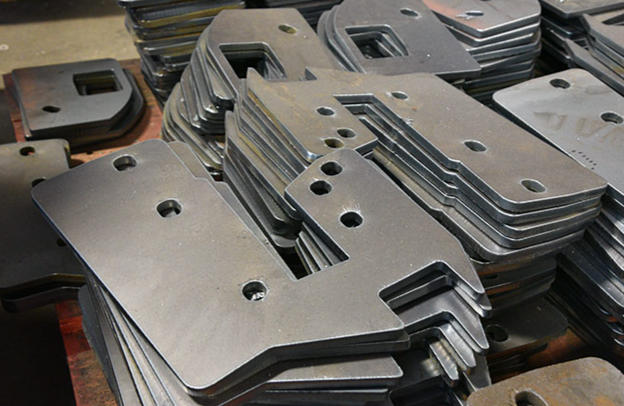
CNC Plasma Cutting excels with conductive materials—primarily metals—though it can handle some non-metals (with limitations). Below is a breakdown of our supported materials, their key properties, and ideal uses:
| Material Category | Examples | Key Properties | Ideal Applications | Limitations (if any) |
| Metals | Stainless Steel | Corrosion-resistant, strong | Aerospace components, food processing equipment, architectural trim | None—ideal for plasma cutting |
| | Aluminum | Lightweight, conductive, heat-sensitive | Automotive body panels, aircraft parts, electrical enclosures | Requires lower speed to minimize HAZ |
| | Mild Steel | Affordable, highly conductive | Structural beams, ship hulls, industrial frames | Excellent for high-speed, thick cutting |
| | Carbon Steel | Strong, durable, conductive | Pipeline parts, construction equipment, heavy machinery | Ideal for thick cuts (up to 100mm) |
| | Copper | Highly conductive, heat-absorbent | Electrical wiring, heat exchangers, connectors | Slower cutting speed to avoid heat buildup |
| Non-Metals | Some Plastics | Low conductivity (varies by type) | Custom plastic signs (thick, rigid types like PVC) | Only works with thick, rigid plastics; thin plastics may melt unevenly |
| | Composite Materials | Conductive core (e.g., carbon fiber-metal composites) | Racing car parts, industrial panels | Requires composite with conductive core; non-conductive composites (e.g., fiberglass-plastic) are not compatible |
We always test non-metal materials first to ensure optimal results—contact our team to confirm if your material is suitable for plasma cutting.
Tolerances & Quality Assurance
Tolerances and accuracy standards are critical for ensuring parts fit and perform as intended. Our precision levels and tolerance ranges are tailored to your material and application, backed by rigorous measurement techniques and quality control processes:
| Material | Standard Tolerance | Tight-Tolerance Option | Accuracy Standard Used | Measurement Technique |
| Stainless Steel | ±0.25mm | ±0.15mm | ISO 2768 Fine, ASME Y14.5 | CMM (Coordinate Measuring Machine) |
| Aluminum | ±0.30mm | ±0.20mm | ISO 2768 Fine, AMS 2750 | CMM + Digital Calipers |
| Mild Steel | ±0.40mm | ±0.25mm | ISO 2768 Medium, ASTM A36 | Digital Micrometer + Ruler |
| Carbon Steel | ±0.50mm | ±0.30mm | ISO 2768 Medium, ASTM A572 | CMM + Laser Scanner |
| Copper | ±0.35mm | ±0.25mm | ISO 2768 Medium, ASTM B152 | Optical Comparator + Calipers |
Our quality control processes include:
- Pre-cut material inspection: Checking thickness, flatness, and conductivity to ensure it meets project requirements (e.g., no impurities in stainless steel that could affect cut quality).
- In-process monitoring: Real-time tracking of arc voltage, torch height, and cutting speed via CNC software—adjusting settings automatically if deviations occur.
- Post-cut inspection: 100% of parts are measured; critical parts (e.g., aerospace components) undergo additional testing (e.g., stress tests, corrosion resistance checks).
Documentation: We provide a detailed quality report with every order, including measurement data, inspection results, and compliance with industry standards.
Key Advantages of CNC Plasma Cutting
Compared to other cutting methods (like oxy-fuel, laser, or water jet), CNC machining Plasma Cutting offers unique benefits that make it a top choice for metal fabrication. Below are its core advantages:
- High Cutting Speeds: It’s 3–5x faster than oxy-fuel cutting for thin-to-medium metals (e.g., 10mm mild steel) and 2x faster than water jet cutting for thick carbon steel (e.g., 80mm). This reduces lead times for high-volume orders.
- Precision Cutting: With tolerances as tight as ±0.15mm, it produces parts that fit together seamlessly—reducing assembly time and rework. For most metal fabrication projects, its precision matches laser cutting (at a lower cost).
- Ability to Cut Thick Materials: Unlike laser cutting (which struggles with metals over 25mm), plasma cutting handles thick metals up to 100mm (carbon steel)—ideal for heavy-duty applications like shipbuilding and construction.
- Versatility: It works with all conductive metals (stainless steel, aluminum, mild steel, carbon steel, copper) and some non-metals (thick plastics). This means you can use one service for multiple material types.
- Cost-Effectiveness: Lower upfront costs than laser cutting (plasma machines are more affordable) and lower operating costs than oxy-fuel (less gas consumption). Minimal waste (kerf width: 1–3mm) also reduces material costs.
- Fast Setup Times: CNC programming and setup take 1–2 hours (vs. 3–4 hours for oxy-fuel), so we can start cutting your parts quickly—perfect for urgent projects.
- Minimal Material Distortion: Advanced CNC systems and optimized gas flow reduce warping (common with oxy-fuel cutting). The Heat Affected Zone (HAZ) is smaller than oxy-fuel (5–10mm vs. 15–20mm), preserving material strength.
Industry Applications
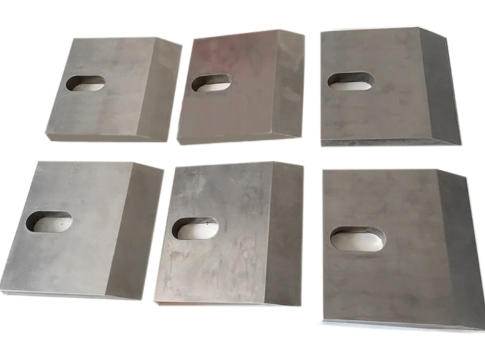
CNC Plasma Cutting is widely used across industries that rely on metal fabrication—thanks to its speed, ability to cut thick materials, and precision. Here are its most common applications:
| Industry | Common Uses |
| Aerospace | Stainless steel brackets, aluminum structural components, copper heat exchangers (precision cuts for tight tolerances) |
| Automotive | Mild steel chassis parts, aluminum body panels, exhaust components (high-speed production for mass manufacturing) |
| Industrial Manufacturing | Carbon steel machinery frames, stainless steel tanks, conveyor system parts (heavy-duty cuts for durable equipment) |
| Architectural | Stainless steel decorative panels, mild steel railings, aluminum facades (intricate shapes for aesthetic designs) |
| Shipbuilding | Thick carbon steel hull plates, copper piping supports, stainless steel deck components (ability to cut large, thick materials) |
| Metal Fabrication | Custom metal signs, structural beams, welded assemblies (versatility for diverse projects) |
| Art and Sculpture | Mild steel sculptures, stainless steel art installations (intricate 2D shapes and bevel cuts for creative designs) |
| Electrical Enclosures | Aluminum enclosure panels, stainless steel junction boxes (precision cuts for fitting electrical components) |
For example, in shipbuilding, our plasma-cut carbon steel plates (up to 100mm thick) meet maritime safety standards—ensuring hulls are strong and durable. In architecture, our precision cuts for stainless steel facades create visually striking designs that withstand harsh weather.
Case Studies: Success Stories
Our CNC Plasma Cutting services have helped clients across industries overcome challenges and achieve their production goals. Below are two successful projects highlighting our expertise:
Case Study 1: Shipbuilding Company (Thick Carbon Steel Hulls)
Challenge: The client needed 500 carbon steel hull plates (80mm thick, 4000mm x 2000mm size) for cargo ships—with tight tolerances (±0.30mm) and minimal distortion. Their previous supplier used oxy-fuel cutting, which caused excessive Heat Affected Zone (HAZ) (15–20mm), leading to warping and costly rework. The client also needed the plates delivered in 4 weeks to meet shipyard deadlines.
Solution: We used conventional plasma cutting (80,000 PSI arc pressure) with oxygen gas (to speed up cutting and reduce dross) and a mechanized torch (to handle the thick material evenly). We optimized the cutting path to minimize torch movement, reducing distortion, and added a post-cut grinding step to remove any remaining dross. Our team ran 3 plasma machines 24/7 to meet the tight timeline.
- Results:
- 100% of hull plates met the ±0.30mm tolerance—no warping, and HAZ was reduced to 5–8mm (well below the client’s 10mm limit).
- Rework costs dropped by 70% compared to the client’s previous supplier.
- The order was delivered 3 days early, allowing the shipyard to stay on schedule.
- Client Testimonial: “The plasma-cut hull plates fit perfectly—no more reworking warped parts. The fast delivery kept our project on track, and the quality is far better than oxy-fuel cutting.” — Sarah K., Shipyard Production Manager.
Case Study 2: Architectural Firm (Custom Stainless Steel Facades)
- Challenge: The firm needed 200 custom stainless steel facade panels (5mm thick) with intricate geometric patterns—requiring precision cutting (±0.15mm tolerance) and a polished finish. The client wanted the panels to be identical for a uniform building appearance and needed them in 3 weeks for a commercial project launch.
- Solution: We used high-definition plasma cutting (our top-tier technique) with nitrogen gas (to prevent oxidation and keep edges clean) and a drag torch (for precise control over the intricate patterns). We programmed the CNC system to replicate the pattern exactly across all panels and added a post-cut polishing step to achieve the desired high-gloss finish. Our quality team inspected each panel with a CMM to ensure consistency.
- Results:
- All 200 panels were identical—matching the geometric pattern within ±0.12mm (exceeding the client’s ±0.15mm requirement).
- The nitrogen gas cutting left edges so clean that polishing time was reduced by 40% compared to standard methods.
- The order was delivered on time, and the facade received positive feedback for its sleek, uniform design.
- Before and After: Raw stainless steel sheets were plain; after high-definition plasma cutting and polishing, they became eye-catching facade panels that elevated the building’s aesthetic.
- Challenge Overcome: Intricate patterns often lead to uneven cuts with conventional methods, but our high-definition plasma technology ensured sharp, consistent lines across every panel.