
Our Automotive CNC Machining Services
Elevate your automotive manufacturing with top-tier Automotive CNC Machining — where cutting-edge Computer Numerical Control meets uncompromising Precision Engineering.
From custom engine components to high-strength chassis parts, we deliver consistent quality, cost-effective solutions, and rapid turnaround to power your production success.
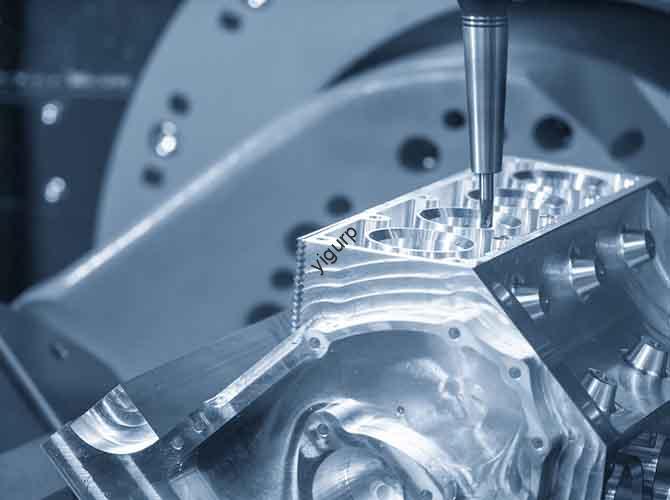
Our Capabilities: Powering Automotive Production
We take pride in our comprehensive suite of capabilities, designed to address every stage of automotive part manufacturing. Our state-of-the-art facilities and skilled team ensure that we deliver solutions that align with your unique needs — from prototyping to mass production.
| Capability | Key Features | Application Scenarios |
| High-Precision Machining | Tolerances as tight as ±0.001mm; ideal for critical safety components | Engine valves, brake calipers |
| Advanced CNC Equipment | 5-axis CNC mills, turning centers, and robotic workcells | Complex transmission parts, chassis brackets |
| Custom Manufacturing | Tailored designs for niche or high-performance vehicles | Racing suspension components, electric vehicle (EV) battery enclosures |
| Quality Assurance | ISO 9001:2015 certification; in-line Inspection and Testing with CMMs (Coordinate Measuring Machines) | All automotive parts (compliance with OEM standards) |
| Rapid Prototyping | 3-5 day turnaround for prototypes; iterative design support | New model development, part redesigns |
| Production Capacity | 10,000+ parts per month; scalable for peak demand | Mass production of steering knuckles, cylinder heads |
| Technical Expertise | Team of 20+ engineers with 15+ years in automotive CNC | Troubleshooting, process optimization, material selection |
Definition: What Is Automotive CNC Machining?
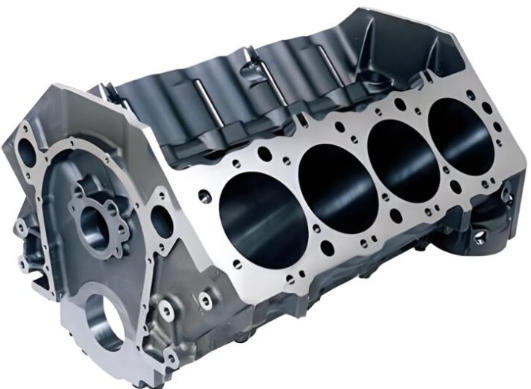
Automotive CNC Machining is a specialized branch of Automotive Manufacturing that leverages Computer Numerical Control (CNC) systems to automate the production of automotive parts. Unlike traditional manual machining, CNC technology uses pre-programmed computer software to control the movement of Cutting Tools (such as drills, mills, and lathes), ensuring unparalleled accuracy in shaping and finishing materials.
At its core, this process combines Machining Technology and Metalworking principles to create complex, high-precision components that meet the strict standards of the automotive industry. Whether it’s crafting intricate engine parts or durable suspension elements, Automotive CNC Machining eliminates human error, boosts consistency, and scales production to meet the demands of modern carmakers.
Common Parts: CNC-Machined Components for Every Vehicle
Automotive CNC Machining is the backbone of producing essential parts that keep vehicles running safely and efficiently. Below are the most commonly manufactured components, each requiring precision to ensure optimal performance.
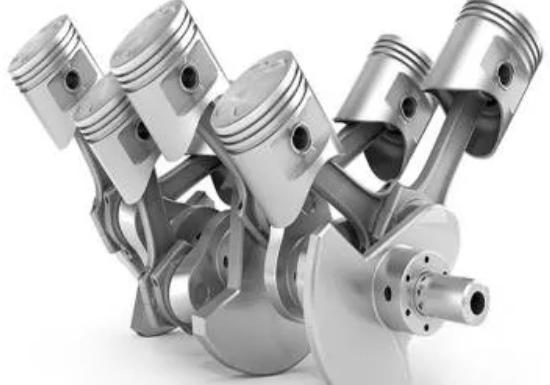
- Engine Components: Cylinder heads, crankshafts, piston rods, and fuel injectors. These parts demand extreme accuracy to maintain compression ratios and fuel efficiency.
- Transmission Parts: Gear shafts, synchronizers, and clutch hubs. CNC machining ensures smooth gear shifting and long-term durability.
- Suspension Components: Control arms, ball joints, and sway bars. Precision here directly impacts ride comfort and vehicle stability.
- Brake Systems: Brake rotors, calipers, and master cylinders. Even minor deviations can compromise braking performance — a critical safety factor.
- Steering Parts: Steering racks, tie rods, and steering columns. These components require tight tolerances to ensure responsive and reliable steering.
- Chassis Elements: Frame brackets, crossmembers, and mounting plates. CNC machining creates strong, lightweight parts that support the vehicle’s structure.
Process: The Step-by-Step Journey of Automotive CNC Machining
Our Automotive CNC Machining process is a well-orchestrated sequence of steps, each designed to ensure quality, efficiency, and consistency. From concept to final assembly, we follow a rigorous workflow:
- Design and Simulation: Our engineers use CAD (Computer-Aided Design) software to create 3D models of the part. We then run simulations to test for potential issues (e.g., tool collisions, material stress) before machining begins.
- Material Selection: Based on the part’s function (e.g., heat resistance, strength), we choose the optimal material (see Section 5). For example, engine components often use aluminum alloys for weight savings, while brake parts use cast iron for durability.
- CNC Programming: Our programmers convert the CAD model into G-code (the language of CNC machines), specifying tool paths, cutting speeds, and feed rates. This ensures the machine follows exact instructions.
- Machining Operations: The CNC machine executes the program, performing operations like milling (shaping flat surfaces), turning (creating cylindrical parts), and drilling (making holes). Automated tool changers switch between cutting tools for multi-step processes.
- Inspection and Testing: After machining, parts undergo rigorous testing. We use CMMs to measure dimensions, X-ray machines to check for internal defects, and stress tests to verify strength. Parts that don’t meet standards are reworked or scrapped.
- Finishing Processes: To enhance performance and appearance, parts receive finishing treatments such as anodizing (for corrosion resistance), powder coating (for durability), or polishing (for aesthetics).
- Assembly Integration: Finally, machined parts are integrated into larger assemblies (e.g., engines, brake systems) or shipped as standalone components to our clients.
Materials: Choosing the Right Substrate for Automotive Parts
The success of an automotive part depends largely on material selection. We work with a wide range of materials, each chosen for its unique properties to match the part’s intended use.
| Material | Key Properties | Common Automotive Applications |
| Aluminum Alloys | Lightweight, good thermal conductivity, corrosion-resistant | Cylinder heads, transmission cases, wheel rims |
| Stainless Steel | High strength, rust-resistant, durable | Exhaust components, brake lines, fuel tanks |
| Cast Iron | High wear resistance, heat tolerance | Engine blocks, brake rotors, manifolds |
| Titanium | Ultra-strong, lightweight, corrosion-resistant (but costly) | Racing suspension parts, EV battery tabs, high-performance engine valves |
| Plastics | Low cost, lightweight, easy to mold | Interior trim, sensor housings, electrical connectors |
| Composites (e.g., carbon fiber) | High strength-to-weight ratio, stiff | EV chassis parts, racing body panels, hoods |
| High-Strength Alloys (e.g., alloy steel) | Exceptional strength, impact resistance | Chassis frames, drive shafts, suspension springs |
Advantages: Why Automotive CNC Machining Outperforms Traditional Methods
Automotive CNC Machining offers a host of benefits that make it the preferred choice for modern automotive manufacturing. These advantages directly translate to better products, lower costs, and faster production times.
- Precision and Accuracy: CNC machines achieve tolerances as tight as ±0.001mm — far beyond what manual machining can deliver. This is critical for parts like engine valves, where even small deviations can cause performance issues.
- Consistency and Reproducibility: Once programmed, CNC machines produce identical parts every time. For example, a batch of 1,000 steering knuckles will have the same dimensions and quality — a level of consistency that manual machining cannot match.
- Cost-Effectiveness: While CNC equipment has a higher upfront cost, it reduces long-term expenses. Automated processes cut labor costs, and fewer defects mean less waste (see Table 1). For high-volume production, CNC machining can lower per-unit costs by up to 30% compared to traditional methods.
- Time Efficiency: CNC machines operate 24/7 with minimal human intervention. A part that takes 8 hours to make manually can be produced in 2 hours with CNC — drastically reducing lead times. Our rapid prototyping service, for example, delivers parts in 3-5 days, speeding up product development.
- Customization: CNC programming is easily adjustable, allowing us to create custom parts for niche markets (e.g., classic car restorations, high-performance racing vehicles) without retooling the entire production line.
- Enhanced Durability: CNC machining creates parts with smooth, precise surfaces that reduce friction and wear. For example, CNC-machined transmission gears last 20% longer than those made with traditional methods.
- Reduced Waste: CNC machines optimize material usage by following precise tool paths. This cuts waste by up to 15% compared to manual machining, which often leaves excess material unused.
Table 1: Cost and Waste Comparison (Per 1,000 Parts)
| Metric | Traditional Machining | Automotive CNC Machining |
| Labor Cost | $10,000 | $3,000 |
| Material Waste | 200 lbs | 85 lbs |
| Defect Rate | 5% (50 defective parts) | 0.5% (5 defective parts) |
| Total Production Time | 10 days | 3 days |
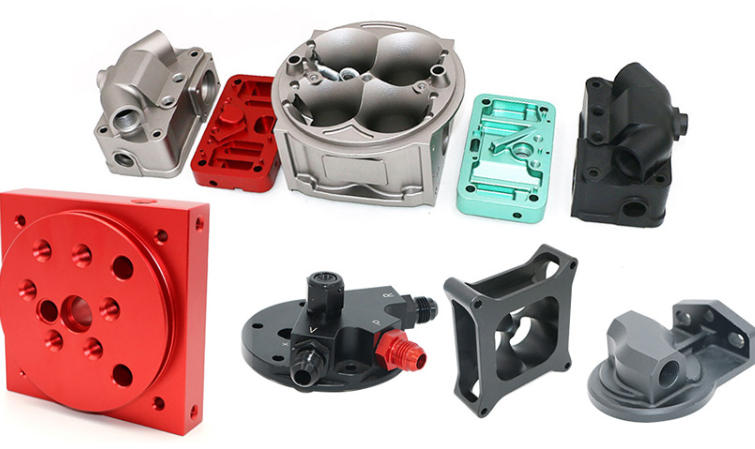
Case Studies: Real-World Success with Our CNC Machining Solutions
Our clients across the automotive industry have experienced tangible benefits from our Automotive CNC Machining services. Below are three standout case studies that highlight our expertise.
Case Study 1: EV Battery Enclosure for a Leading Carmaker
Challenge: A major electric vehicle manufacturer needed a lightweight, high-strength battery enclosure to protect its EV batteries while reducing vehicle weight. The enclosure required complex geometry (e.g., internal cooling channels) and strict tolerances (±0.005mm).
Solution: We used 5-axis CNC mills to machine the enclosure from aluminum alloy (for weight savings) and implemented in-line CMM inspections to ensure accuracy. Our team also optimized the tool path to reduce machining time.
Results:
- Weight reduction of 15% compared to the client’s previous steel enclosure.
- 100% compliance with safety standards (passing crash and thermal tests).
- Production time cut from 7 days to 2 days, enabling the client to scale EV production by 40%.
- Client Testimonial: “The CNC-machined battery enclosure exceeded our expectations — it’s lighter, stronger, and delivered faster than we thought possible.” — EV Production Manager
Case Study 2: High-Performance Engine Components for a Racing Team
Challenge: A professional racing team needed custom cylinder heads and crankshafts for their race car engine. The parts required extreme precision (to maximize horsepower) and heat resistance (to withstand high engine temperatures).
Solution: We used titanium for the crankshaft (for strength and lightness) and high-strength alloy steel for the cylinder heads. Our technical team ran finite element analysis (FEA) simulations to optimize the parts’ design, then used CNC turning centers to machine them.
Results:
- Engine horsepower increased by 12% (from 650 HP to 728 HP).
- Parts withstood temperatures up to 500°C (10% higher than the team’s previous components).
- The team won three races in the subsequent season, crediting the CNC-machined parts for their performance edge.