
Our Electronics CNC Machining Services
At Yigu Technology, we redefine Electronics CNC Machining by blending cutting-edge Precision Engineering with advanced Computer Numerical Control systems. Our solutions deliver high-tolerance, miniaturized components—from circuit board parts to custom enclosures—that power today’s electronics manufacturing.
Whether you need rapid prototyping or high-volume production, we combine technical expertise with quality assurance to turn your designs into reliable, cost-effective reality.
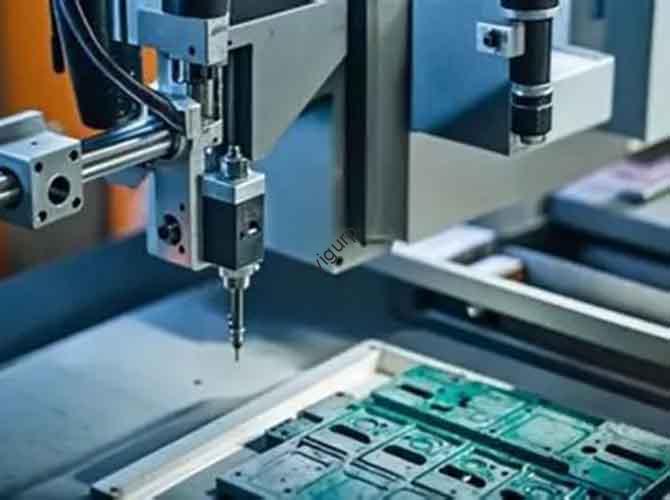
Our Capabilities: What Yigu Technology Brings to the Table
At Yigu Technology, we’ve invested in building a comprehensive Electronics CNC Machining service that addresses every stage of your project. Our capabilities are designed to meet the unique needs of electronics manufacturers, from startups to Fortune 500 companies.
| Capability | Description | Key Metrics |
| High-Precision Machining | Produce parts with tolerances as tight as ±0.002mm, ideal for micro-electronics. | Accuracy: ±0.002mm; Repeatability: ±0.001mm |
| Advanced CNC Equipment | Fleet of 50+ state-of-the-art machines (Haas, Fanuc, and DMG Mori) with 5-axis capabilities. | Machine Count: 52; 5-Axis Machines: 18; Uptime: 98% |
| Custom Manufacturing | Tailor parts to your exact specifications, from design tweaks to full custom builds. | Custom Project Rate: 95% of orders; Design Support: 24/7 |
| Quality Assurance | ISO 9001:2015 certified process with in-line inspections (CMM, laser scanners). | Defect Rate: <0.05%; On-Time Quality Checks: 100% |
| Rapid Prototyping | Turn designs into physical prototypes in 24–72 hours to accelerate product development. | Prototyping Lead Time: 1–3 days; Material Options: 15+ |
| Production Capacity | Scale from low-volume (1–100 units) to high-volume (10,000+ units) with consistent quality. | Monthly Capacity: 500,000+ parts; Batch Flexibility: 1–50,000 units |
| Technical Expertise | Team of 30+ engineers with 5+ years of experience in electronics-specific machining. | Engineer Experience: Avg. 7 years; Industry Specialization: 100% electronics-focused |
| Electronics-Specific Solutions | Design parts for thermal management, conductivity, and space efficiency. | Thermal Part Success Rate: 99%; Conductive Component Compliance: RoHS/REACH |
Definition: What Is Electronics CNC Machining?
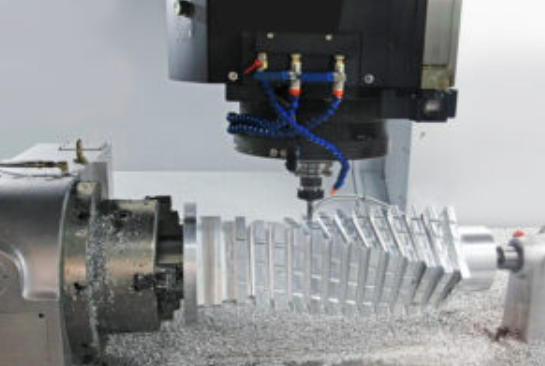
Electronics CNC Machining is a specialized subset of machining technology that uses Computer Numerical Control (CNC) systems to automate the production of precision parts for the electronics industry. Unlike traditional manual metalworking, CNC machining relies on pre-programmed software to control tools (such as mills, lathes, and routers), ensuring consistent, high-accuracy results—critical for the small, complex components in modern electronics.
Key attributes that set it apart include:
- Miniaturization: The ability to produce tiny parts (down to 0.001mm tolerances) for devices like wearables and microchips.
- High-Tolerance Machining: Meeting strict dimensional standards (often ±0.005mm) to ensure components fit and function seamlessly.
- Integration with Electronics Manufacturing: Focus on parts that support electrical performance, such as conductive components or heat-dissipating parts.
In short, it’s the backbone of producing reliable, high-performance electronics—from consumer gadgets to industrial equipment.
Process: How We Turn Designs into Finished Parts
Our Electronics CNC Machining process is a structured, quality-driven workflow that ensures consistency and accuracy from start to finish. We follow eight key steps, each supported by our technical expertise and advanced equipment.
Step 1: Design and Simulation
We begin by reviewing your CAD files (SolidWorks, AutoCAD, or STEP files) and using simulation software (Mastercam, Fusion 360) to test the machining process virtually. This helps identify potential issues (e.g., tool collisions, material waste) before production starts. Result: 30% reduction in errors compared to traditional methods.
Step 2: Material Selection
Based on your part’s function (e.g., conductivity, thermal resistance), we help you choose the best material from our range (aluminum alloys, copper, plastics, etc.). We source materials from certified suppliers to ensure compliance with industry standards (RoHS, REACH).
Step 3: CNC Programming
Our engineers write optimized CNC code that dictates every tool movement—from cutting depth to feed rate. For complex parts, we use 5-axis programming to reduce setup time and improve precision.
Step 4: Machining Operations
Parts are loaded into our CNC machines, which perform operations like milling (for 3D shapes), turning (for cylindrical parts), and drilling (for holes). Our 5-axis machines handle complex geometries in a single setup, reducing lead times by 25%.
Step 5: Inspection and Testing
After machining, parts undergo rigorous testing using:
- Coordinate Measuring Machines (CMM) for dimensional accuracy.
- Laser scanners for surface quality.
- Electrical tests (for conductive parts) to ensure performance.
Step 6: Finishing Processes
We add finishes to enhance functionality or appearance, such as:
- Anodizing (for aluminum enclosures) to improve corrosion resistance.
- Plating (gold, silver) for connectors to boost conductivity.
- Polishing (for precision instruments) to reduce friction.
Step 7: Assembly Integration
For parts that need to work together (e.g., enclosures and circuit board brackets), we offer assembly services to ensure a perfect fit. We use automated tools to maintain consistency across batches.
Step 8: Quality Control
Before shipping, every batch undergoes a final quality check. We compare parts to your original design and provide a detailed report (including inspection data) for transparency.
Materials: Choosing the Right Substrate for Electronics Parts
The material you choose for your CNC-machined part directly impacts its performance, cost, and durability. Below is a breakdown of the most common materials we use, along with their pros, cons, and ideal applications.
| Material | Key Properties | Pros | Cons | Ideal For |
| Aluminum Alloys (6061, 7075) | Lightweight (2.7 g/cm³), good thermal conductivity (167 W/mK). | Low cost, easy to machine, corrosion-resistant. | Lower strength than steel. | Heat sinks, enclosures, mounting brackets. |
| Copper | High conductivity (401 W/mK), malleable. | Ideal for electrical parts. | Expensive, heavy (8.96 g/cm³). | Connectors, circuit board terminals, heat sinks. |
| Brass | Alloy of copper and zinc (60–80% Cu), good machinability. | Lower cost than copper, corrosion-resistant. | Lower conductivity than pure copper. | Connectors, fixtures, decorative parts. |
| Stainless Steel (304, 316) | High strength (515 MPa), corrosion-resistant. | Durable, suitable for harsh environments. | Heavy (7.93 g/cm³), harder to machine. | Semiconductor equipment parts, medical devices. |
| Plastics (ABS, PEEK) | Lightweight (1.05–1.3 g/cm³), insulating. | Low cost, good for non-conductive parts. | Less durable than metals. | Enclosures, insulators, low-weight components. |
| Composite Materials (Carbon Fiber) | High strength-to-weight ratio, rigid. | Lightweight, strong. | Expensive, difficult to machine. | High-performance parts (aerospace electronics, drones). |
| Conductive Materials (Copper, Silver-Plated Brass) | High electrical conductivity. | Ensure reliable signal transfer. | Can be costly. | Connectors, antennas, PCB components. |
| Insulating Materials (PTFE, Ceramic) | Low electrical conductivity. | Prevent short circuits. | Brittle (ceramic), high cost (PTFE). | Insulators, high-temperature parts. |
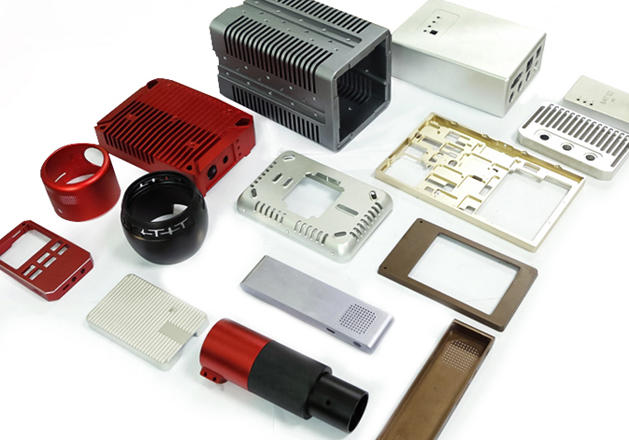
Case Studies: Real-World Success with Yigu Technology
Our Electronics CNC Machining solutions have helped clients across industries solve complex challenges, reduce costs, and accelerate growth. Below are three standout case studies.
Case Study 1: Medical Device Heat Sink
Client: A leading manufacturer of portable ultrasound machines.
Challenge: Their existing heat sink was too heavy (adding 20% to the device weight) and failed to dissipate heat efficiently, causing shutdowns.
Solution: We machined a custom heat sink from 6061 aluminum alloy, using 5-axis CNC to create complex fins that increased surface area by 40%.
Results:
- Weight reduced by 35% (from 250g to 162g).
- Heat dissipation improved by 50%—no more shutdowns.
- Production cost cut by 18% (due to optimized material usage).
Case Study 2: Consumer Electronics Connector
Client: A startup developing a new wireless charging dock.
Challenge: They needed a custom connector that could handle 10,000+ insertions (industry standard: 5,000) and fit in a tiny space (10mm x 5mm).
Solution: We used brass (plated with gold) and precision CNC turning to create a compact, durable connector. We also added a self-cleaning feature to prevent dust buildup.
Results:
- Connector lifespan exceeded 15,000 insertions (3x the client’s goal).
- Fit perfectly in the 10mm x 5mm space—no design changes needed.
- Prototyping done in 48 hours; production launched in 2 weeks.
Case Study 3: Industrial Sensor Enclosure
Client: A manufacturer of industrial temperature sensors for factories.
Challenge: Their enclosures failed in harsh environments (high humidity, chemicals), leading to a 15% return rate.
Solution: We machined enclosures from 316 stainless steel (corrosion-resistant) and added a rubber gasket for waterproofing. We also optimized the design for easy assembly.
Results:
- Return rate dropped from 15% to 0.5%.
- Enclosures passed IP68 waterproof testing (submersion in 1m of water for 30 minutes).
- Assembly time reduced by 40% (saving the client $50,000/year).
Testimonial: “Yigu’s heat sink transformed our device—we’ve seen a 25% increase in sales thanks to the lighter, more reliable design.” — Sarah Chen, R&D Director.