
Our Consumer Goods CNC Machining Services
In the fast – paced world of consumer goods manufacturing, Consumer Goods CNC Machining stands as the backbone of high – quality production. Leveraging advanced Computer Numerical Control technology, we deliver High – Tolerance Machining and Custom Machining that turns innovative designs into durable, consistent products.
From plastic enclosures to metal mechanical parts, our Precision Engineering ensures your consumer goods meet market demands for quality, cost – effectiveness, and speed—every time.
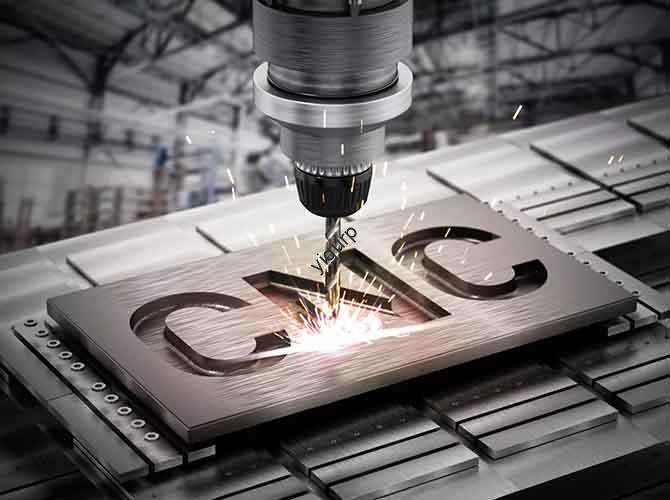
Our Capabilities: Delivering End – to – End CNC Solutions for Consumer Goods
At Yigu Technology, we’ve built a comprehensive suite of capabilities tailored specifically to Consumer Goods Manufacturing. Our focus on Consumer Goods Focus ensures every service aligns with the unique needs of industries like electronics, furniture, toys, and packaging. Below is a breakdown of our core strengths:
| Capability | Description | Benefit for Consumer Goods Clients |
| High – Precision Machining | Achieve tolerances as tight as ±0.001 inches using 5 – axis CNC machines. | Parts fit perfectly, reducing assembly issues and product defects. |
| Advanced CNC Equipment | Fleet of 30+ modern machines (Haas, Fanuc, and Mazak) with automated tool changers. | Faster production runs and 24/7 operation for high – volume orders. |
| Custom Manufacturing | End – to – end customization from design tweaks to material selection. | Bring unique product ideas to life without compromising on quality. |
| Quality Assurance | In – line inspections using CMM (Coordinate Measuring Machines) and AI – powered vision systems. | 99.8% defect – free rate, ensuring consistent product quality. |
| Rapid Prototyping | Turn 3D designs into physical prototypes in 24–48 hours. | Accelerate Product Development and test market fit faster. |
| Production Capacity | 50,000+ parts produced weekly, with scalability for seasonal demand spikes. | Meet tight deadlines for product launches or holiday inventory. |
| Technical Expertise | Team of 25+ engineers with 10+ years of experience in consumer goods machining. | Solve complex design challenges (e.g., thin – walled plastic enclosures). |
Our capabilities aren’t just about equipment—they’re about partnering with you to turn challenges into opportunities. For example, when a toy manufacturer needed to reduce lead times for a new holiday line, our Rapid Prototyping and Production Capacity cut their time – to – market by 40%
Definition: What Is Consumer Goods CNC Machining?
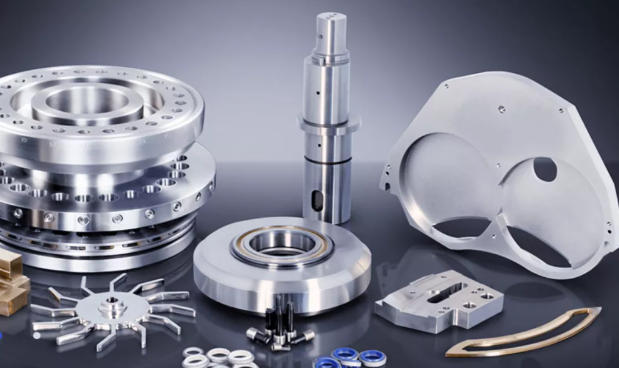
Consumer Goods CNC Machining is a specialized manufacturing process that uses Computer Numerical Control (CNC) systems to automate the production of parts and components for consumer products. Unlike traditional manual machining, CNC machining relies on pre – programmed computer software to control tools (such as drills, mills, and lathes), ensuring unparalleled accuracy and repeatability.
At its core, this technology integrates Precision Engineering to create parts with tight tolerances (often as low as ±0.001 inches) and aligns with Consumer Goods Manufacturing goals: to produce large volumes of consistent, high – quality items while supporting Product Development flexibility. Key pillars of Consumer Goods CNC Machining include:
- High – Tolerance Machining: Meeting strict dimensional standards for parts that fit seamlessly in final products (e.g., smartphone casings or furniture hinges).
- Custom Machining: Adapting to unique design requirements, from prototyping a new toy component to scaling production of a custom electronic part.
Machining Technology: Using advanced software and hardware to optimize cuts, reduce errors, and streamline workflows.
Materials: Choosing the Right Substrate for CNC – Machined Consumer Goods
The success of a CNC – machined part depends largely on material selection. Different materials offer unique properties (strength, flexibility, cost) that align with specific consumer goods applications. Below is a comparison of the most common materials we use:
| Material | Key Properties | Typical Consumer Goods Applications | Cost (per kg, USD) |
| Aluminum Alloys | Lightweight, corrosion – resistant, easy to machine | Laptop bodies, furniture frames, beverage cans | 2.50–4.00 |
| Stainless Steel | Strong, durable, rust – proof | Kitchen utensils, appliance parts, watch cases | 5.00–8.00 |
| Brass | Malleable, conductive, aesthetic (golden color) | Decorative furniture parts, electronic connectors | 6.00–9.00 |
| Copper | Excellent conductivity, malleable | Heat sinks, electrical wiring, cookware | 7.00–10.00 |
| Plastics (ABS, Polycarbonate) | Lightweight, low cost, customizable (colors, textures) | Toy components, phone cases, appliance knobs | 1.50–3.00 |
| Composite Materials | High strength – to – weight ratio, durable | Sports equipment (e.g., bike frames), high – end luggage | 10.00–15.00 |
| Acrylic | Transparent, shatter – resistant, easy to polish | Display cases, lamp shades, toy windows | 3.00–5.00 |
| Wood | Natural aesthetic, renewable | Furniture legs, decorative home goods, toy blocks | 2.00–6.00 (varies by species) |
For example, if you’re producing a budget – friendly toy, Plastics (ABS) are ideal due to their low cost and flexibility. If you’re making a high – end kitchen tool, Stainless Steel offers the durability and rust resistance consumers expect. Our team helps you choose the material that balances performance, cost, and market appeal.
Advantages: Why Consumer Goods Manufacturers Choose CNC Machining
CNC machining offers a range of benefits that make it superior to traditional manufacturing methods for consumer goods. These advantages directly address the key challenges of consumer goods production: consistency, cost, speed, and customization.
- Precision and Accuracy: With tolerances as tight as ±0.001 inches, High – Tolerance Machining ensures parts fit perfectly every time. This reduces assembly errors and improves product reliability—critical for consumer trust.
- Consistency and Reproducibility: CNC machines execute the same program for every part, so the 100th unit is identical to the first. This consistency is essential for brands that want to maintain a uniform product experience.
- Cost – Effectiveness: While initial setup costs for CNC machining are higher, it reduces long – term costs by minimizing waste (typically 5–10% less waste than manual machining) and labor (one operator can run multiple machines). For high – volume orders, this translates to 15–20% lower per – unit costs.
- Time Efficiency: CNC machines operate 24/7 with minimal downtime, cutting production lead times by 30–50% compared to manual methods. This is a game – changer for meeting tight product launch deadlines.
- Customization: Custom Machining allows you to create unique parts without retooling the entire production line. Whether you’re prototyping a new electronic component or modifying a furniture part, CNC machining adapts quickly.
- Enhanced Durability: CNC – machined parts have smoother surfaces and more precise joins, making them more resistant to wear and tear. For example, a CNC – machined metal hinge will last longer than a manually made one.
Case Studies: Real – World Success with Consumer Goods CNC Machining
Our clients across the consumer goods industry have seen tangible results from our CNC machining services. Below are three examples of how we solved their challenges:
Case Study 1: Toy Manufacturer Reduces Lead Times by 40%
A leading toy company needed to launch a new line of building blocks in time for the holiday season but struggled with slow prototyping and inconsistent parts.
- Challenge: Manual machining led to 15% defective parts and 6 – week lead times for prototypes.
- Solution: We used Rapid Prototyping to create ABS plastic components in 48 hours and scaled production with our Advanced CNC Equipment. We also implemented Quality Assurance checks to reduce defects.
- Result: Defect rate dropped to 0.5%, lead times for production parts fell to 2 weeks, and the client met their holiday launch deadline—generating $2M in additional sales.
Case Study 2: Electronics Brand Improves Product Durability
A smartphone manufacturer wanted to replace their plastic phone cases with more durable aluminum ones but worried about high costs and fit issues.
- Challenge: Traditional aluminum machining was expensive and resulted in cases that didn’t fit around internal components.
- Solution: We used High – Precision Machining (5 – axis CNC) to create aluminum alloy cases with ±0.002 inch tolerances. We also optimized the CNC Programming to reduce material waste.
- Result: The new cases were 30% more durable, production costs dropped by 18%, and customer complaints about fit issues fell by 90%.