
Our Marine CNC Machining Services
Elevate your maritime operations with our top-tier Marine CNC Machining services. We deliver high-tolerance, saltwater-resistant marine components.
From propeller shafts to engine parts—using advanced CNC technology, ensuring precision, consistency, and long-lasting performance that keeps your vessels sailing strong.
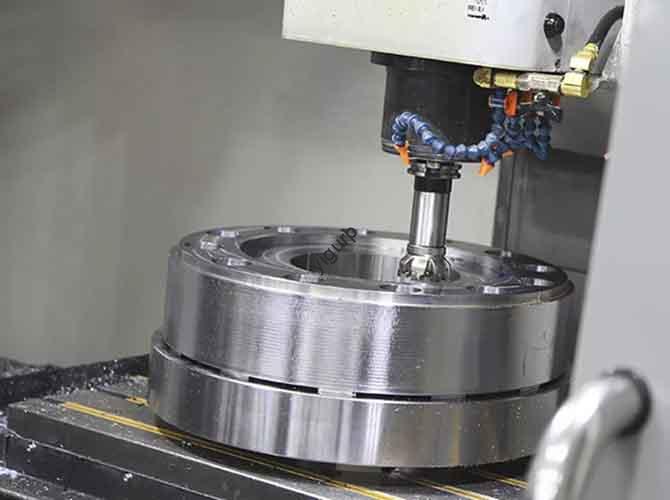
Our Capabilities: Delivering Precision for Maritime Needs
We pride ourselves on a comprehensive set of capabilities designed to meet the unique demands of the marine industry. Our team and technology work in tandem to deliver components that exceed industry standards.
| Capability | Key Features | Typical Applications |
| Precision Engineering | Tolerances as tight as ±0.001 inches; 3D modeling for exact part replication | Engine parts, rudder assemblies |
| Custom Machining | Tailored designs for unique vessel requirements; fast prototyping | Custom marine hardware, specialized hull components |
| High-Tolerance Machining | Consistent performance across high-volume production runs | Propeller shafts, marine fittings |
| Advanced CNC Technology | 5-axis CNC machines; automated quality checks; CAD/CAM integration | Complex engine components, multi-part assemblies |
| Saltwater-Resistant Machining | Corrosion-resistant finishes; material selection optimized for saltwater | All marine components exposed to seawater |
Our capabilities aren’t just about equipment—they’re about understanding the marine industry’s needs. Whether you need a single custom part or a large batch of standard components, we scale our services to fit your project.
Definition: What is Marine CNC Machining?
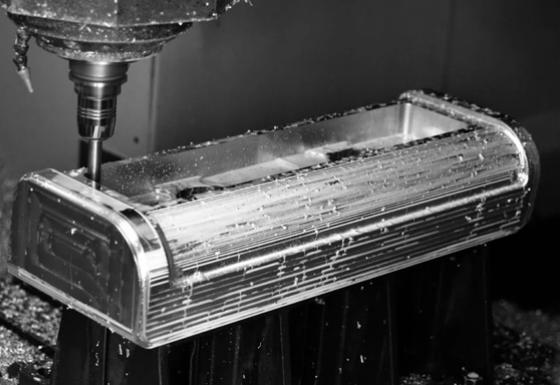
At its core, Marine CNC Machining is a specialized branch of precision manufacturing that leverages Computer Numerical Control (CNC) technology to produce high-quality marine components for the marine industry. Unlike standard machining, it focuses on creating parts that can withstand the harsh conditions of the maritime environment—constant exposure to saltwater, extreme temperatures, and heavy mechanical stress.
The key goal of this process is seaworthy machining: every component is engineered to resist corrosion, maintain structural integrity, and operate reliably in marine settings. From small fittings to large hull components, Marine CNC Machining combines the accuracy of CNC systems with materials and finishes tailored specifically for the sea.
Materials: Choosing the Right Substrates for the Sea
The success of Marine CNC Machining depends heavily on material selection. We use only marine-grade materials that balance strength, durability, and resistance to saltwater.
| Material | Key Properties | Common Marine Applications |
| Stainless Steel | High corrosion resistance; strong; easy to machine | Propeller shafts, marine fittings, rudder assemblies |
| Aluminum | Lightweight; good corrosion resistance; cost-effective | Hull components, engine parts (e.g., heat exchangers) |
| Brass | Excellent machinability; corrosion-resistant; good for sealing | Marine valves, fittings, pump parts |
| Copper | High thermal conductivity; corrosion-resistant | Engine cooling systems, pipes |
| Titanium | Ultra-strong; lightweight; extreme corrosion resistance | High-performance parts (e.g., racing yacht propellers, deep-sea vessel components) |
| Marine-Grade Plastics (e.g., HDPE, PVC) | Lightweight; corrosion-proof; low cost | Fittings, cable management, interior components |
We select materials based on the part’s function, budget, and operating environment. For example, titanium is ideal for deep-sea parts, while aluminum works well for lightweight hull components.
Advantages: Why Marine CNC Machining Outperforms Traditional Methods
Marine CNC Machining offers clear benefits over traditional manual machining—especially for the demanding maritime industry.
1. Precision
CNC machines operate with computer-controlled accuracy, ensuring parts meet exact specifications (tolerances as tight as ±0.001 inches). This eliminates human error, so every part fits perfectly—critical for vessel safety (e.g., a misaligned propeller shaft can cause engine damage).
2. Consistency
Unlike manual machining, CNC systems produce identical parts across high-volume runs. This is essential for fleet operators who need interchangeable components (e.g., replacing a fitting on one ship with the same part from another).
3. Durability
By combining precision machining with marine-grade materials and corrosion-resistant finishes, our parts last 2–3 times longer than those made with traditional methods. A 2023 industry study found that CNC-machined marine components have a 35% lower failure rate than manually machined parts.
4. Saltwater Resistance
Our focus on seaworthy machining—from material selection to finishing—ensures parts resist rust and corrosion. This reduces maintenance costs: clients report saving 20–25% annually on part replacements compared to using non-marine-grade components.
5. Customization
CNC technology makes it easy to create custom parts without sacrificing quality. Whether you need a one-of-a-kind bracket for an old vessel or a specialized engine part for a new design, we can deliver it quickly.
6. Quality Control
Every step of our process includes automated and manual checks. We use laser measuring tools to verify dimensions and salt spray tests to confirm corrosion resistance—ensuring only top-quality parts leave our facility.
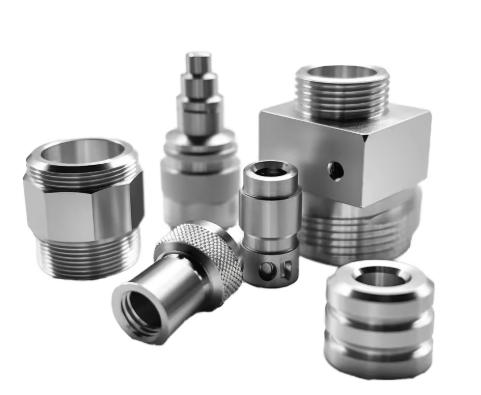
Case Studies: Real-World Success Stories
Our Marine CNC Machining services have helped clients solve complex maritime challenges. Below are two standout projects.
Case Study 1: Propeller Shafts for Commercial Fishing Fleet
Client: A mid-sized fishing company with 15 vessels.
Problem: Their existing propeller shafts (manually machined) were failing every 6–8 months due to saltwater corrosion and poor alignment, causing costly downtime.
Solution: We manufactured high-tolerance propeller shafts using 316 stainless steel (for corrosion resistance) and 5-axis CNC turning. We added a chrome-plated finish for extra durability.
Outcome: The new shafts lasted 24+ months—tripling their lifespan. The fleet reduced downtime by 60% and saved $120,000 annually on replacements and repairs.
Client Testimonial: “The CNC-machined shafts transformed our operations. We spend less time in dry dock and more time fishing—thank you for delivering on your promise of durability.”
Case Study 2: Custom Hull Components for Luxury Yachts
Client: A yacht builder specializing in custom 60–80 foot vessels.
Problem: They needed unique hull brackets that were lightweight, strong, and matched the yacht’s sleek design—something traditional machining couldn’t deliver consistently.
Solution: We used CNC milling to create aluminum brackets from custom CAD designs. We added an anodized finish for corrosion resistance and aesthetic appeal. We also provided rapid prototypes to ensure the brackets fit perfectly.
Outcome: The brackets met all design requirements and reduced the yacht’s overall weight by 15% (improving fuel efficiency). The client received 5-star reviews for the yacht’s performance and design.
Client Testimonial: “The precision and customization of the CNC-machined components set our yachts apart. The team understood our vision and delivered parts that were both functional and beautiful.”