
Our Agricultural CNC Machining Services
Elevate your agricultural operations with Agricultural CNC Machining—the fusion of Computer Numerical Control technology and Precision Manufacturing that delivers top-tier Agricultural Components for farm equipment.
From tractors to harvesters, our solutions redefine reliability, ensuring your machinery thrives in the harshest field conditions.
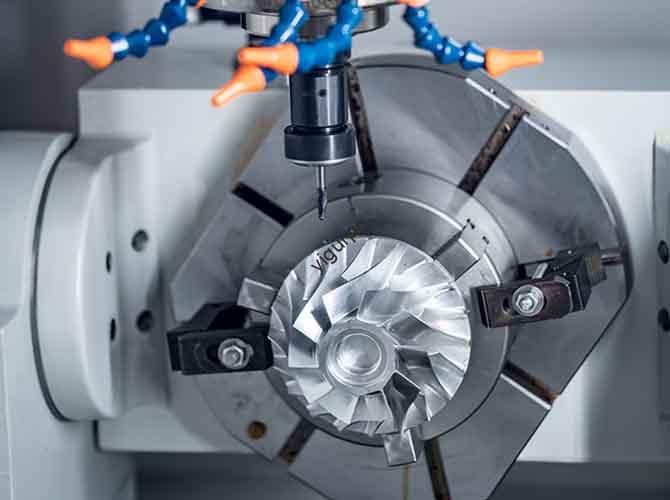
Our Capabilities: Delivering Top-Tier Agricultural Machining Solutions
We pride ourselves on a comprehensive set of capabilities tailored to the agricultural sector. Our team leverages cutting-edge tools and expertise to meet diverse client needs, from standard parts to one-of-a-kind designs.
| Capability | Description | Key Benefits for Agriculture |
| Precision Engineering | Utilize advanced software (e.g., CAD/CAM) to design and manufacture parts with tight tolerances. | Ensures parts fit perfectly, reducing machinery downtime. |
| Custom Machining | Create tailor-made components based on client specifications, from small hardware to large assemblies. | Meets unique farm equipment requirements (e.g., custom harvester attachments). |
| High-Tolerance Machining | Produce parts with tolerances as tight as ±0.001 inches, critical for high-performance agricultural tools. | Enhances machinery efficiency, especially in high-speed operations like harvesting. |
| Advanced CNC Technology | Employ state-of-the-art CNC mills, lathes, and routers with multi-axis capabilities. | Enables complex part geometries, ideal for intricate tractor and irrigation components. |
| Agricultural Parts Manufacturing | Focus exclusively on agricultural components, understanding the industry’s unique challenges (e.g., corrosion resistance). | Parts are built to withstand field conditions—dust, moisture, and heavy use. |
| Durable Machining Solutions | Use materials and processes that boost part lifespan, even in harsh farming environments. | Reduces replacement costs and extends the life of farm equipment. |
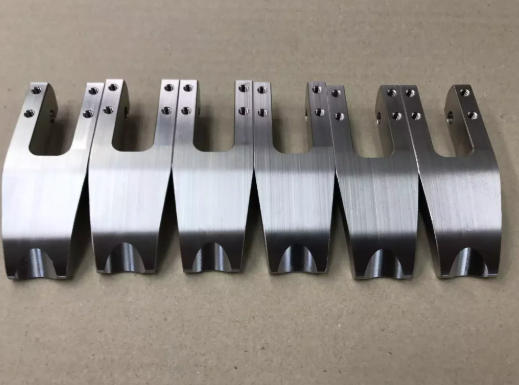
Process: The Step-by-Step Agricultural CNC Machining Workflow
Our Agricultural CNC Machining process is streamlined to ensure efficiency, precision, and quality. Each step is carefully executed to meet the unique needs of agricultural components.
- Design & Programming: We start with CAD (Computer-Aided Design) software to create 3D models of the part. The CAD file is then converted to a CAM (Computer-Aided Manufacturing) program, which generates the code that controls the CNC machine. This step ensures every detail—from dimensions to tolerances—is accounted for.
- Material Preparation: The chosen material (e.g., steel, aluminum) is cut to size, removing excess material to reduce machining time. This step is crucial for efficiency, especially for large agricultural parts like plow blades.
- CNC Machining Operations:
- CNC Turning: Used for cylindrical parts (e.g., hydraulic shafts for tractors). The machine spins the material while a cutting tool shapes it into the desired form.
- CNC Milling: Ideal for flat or complex 3D parts (e.g., harvester conveyor frames). The machine uses rotating cutting tools to remove material from the workpiece.
- Drilling: Creates holes in parts (e.g., irrigation pipe connectors) for assembly or fluid flow.
- Cutting: Uses high-speed tools to trim parts to their final size, ensuring accuracy.
- Precision Assembly: For multi-part components (e.g., seeding machine hoppers), we assemble parts using specialized tools. This step includes quality checks to ensure parts fit together seamlessly.
- Finishing & Quality Control: Parts are treated (e.g., painted, galvanized) to resist corrosion. We then conduct final inspections—using calipers, micrometers, and 3D scanners—to ensure they meet our strict standards.
Advantages: Why Agricultural CNC Machining Outperforms Traditional Methods
Agricultural CNC Machining offers numerous benefits that make it the preferred choice for modern farming equipment manufacturers and operators. These advantages directly address the industry’s need for reliability, efficiency, and cost-effectiveness.
| Advantage | Description | Impact on Agricultural Operations |
| Precision | CNC machines produce parts with tolerances as tight as ±0.001 inches, far more accurate than manual machining. | Reduces part failure, as components fit perfectly. For example, precise irrigation valves prevent leaks, saving water. |
| Consistency | Every part is identical, as the CNC program ensures no human error. This is critical for mass-produced components like tractor bolts. | Simplifies maintenance—replacement parts fit seamlessly, reducing downtime. |
| Durability | CNC-machined parts use high-quality materials and precise processes, making them more resistant to wear and tear. | Extends the life of farm equipment. A CNC-machined plow blade can last 2–3 times longer than a manually made one. |
| Cost-Effectiveness | While initial setup costs are higher, CNC machining reduces labor time and material waste. For large orders, it lowers per-unit costs. | Farmers save money on replacement parts and maintenance. A 2024 industry study found that CNC-machined agricultural parts reduce long-term costs by 15–20%. |
| Customization | Easy to adjust CNC programs to create custom parts, even for small-batch orders. | Meets niche needs—e.g., custom harvester parts for organic farms or specialized seeding equipment for hilly terrain. |
| Quality Control | In-line inspections (using sensors and scanners) catch defects early, ensuring only top-quality parts leave the facility. | Reduces the risk of equipment breakdowns in the field, which can cost farmers thousands in lost productivity. |
| High-Tolerance | Parts with tight tolerances perform better in high-stress applications, like tractor hydraulic systems. | Improves machinery efficiency—e.g., high-tolerance harvester components reduce crop damage during harvesting. |
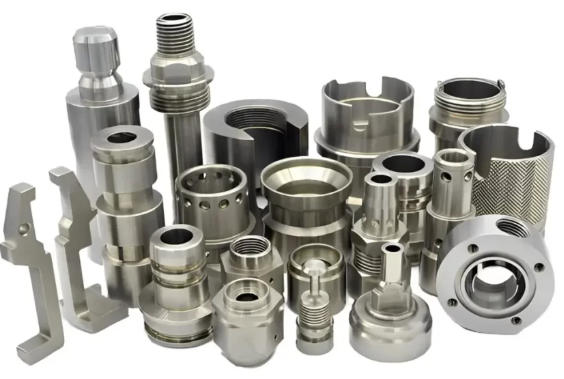
Case Studies: Success Stories in Agricultural CNC Machining
Our Agricultural CNC Machining solutions have helped farmers and equipment manufacturers overcome challenges and improve their operations. Below are two real-world examples.
Case Study 1: Boosting Harvester Efficiency for a Midwestern Grain Farm
Challenge: A large grain farm in Iowa was struggling with frequent breakdowns of their harvester’s conveyor system. The manually made conveyor rollers were uneven, leading to crop jams and 2–3 hours of downtime per day during harvest season.
Solution: We designed and manufactured custom CNC-machined conveyor rollers using high-strength steel. The rollers featured precise dimensions (±0.002 inches tolerance) to ensure smooth rotation. We also added a corrosion-resistant coating to withstand the farm’s wet autumn conditions.
Outcome: The new rollers eliminated crop jams, reducing downtime to less than 30 minutes per day. The farm increased its daily harvest output by 15% and saved over $20,000 in maintenance costs in the first year. The farmer noted, “The CNC-machined parts transformed our harvest—we no longer lose time fixing broken equipment.”
Case Study 2: Custom Irrigation Valves for a California Vineyard
Challenge: A vineyard in California needed irrigation valves that could withstand the region’s salty soil and frequent temperature swings. Standard valves corroded quickly, leading to water waste and uneven irrigation, which hurt grape quality.
Solution: We used stainless steel to manufacture custom CNC-machined irrigation valves. The valves featured precise internal channels (created via CNC milling) to regulate water flow accurately. We also added a special seal to prevent leaks in high-pressure systems.
Outcome: The valves resisted corrosion for over 5 years (compared to 1–2 years for standard valves). The vineyard reduced water usage by 10% and saw a 8% improvement in grape quality, as irrigation became more consistent. The vineyard manager said, “These CNC-machined valves are a game-changer—they’re reliable and save us money on water and replacements.”