
Fashion 3D Printing Services
Elevate your fashion vision with Fashion 3D Printing—where additive manufacturing for clothing merges with boundary-pushing creativity. At Yigu Technology, we turn bold design concepts into wearable art, from custom 3D-printed dresses to intricate jewelry and durable shoes.
Whether you’re a fashion designer, a luxury brand, or a creative entrepreneur, our solutions deliver rapid prototyping, precise customization, and sustainable production that redefines what’s possible in modern fashion.
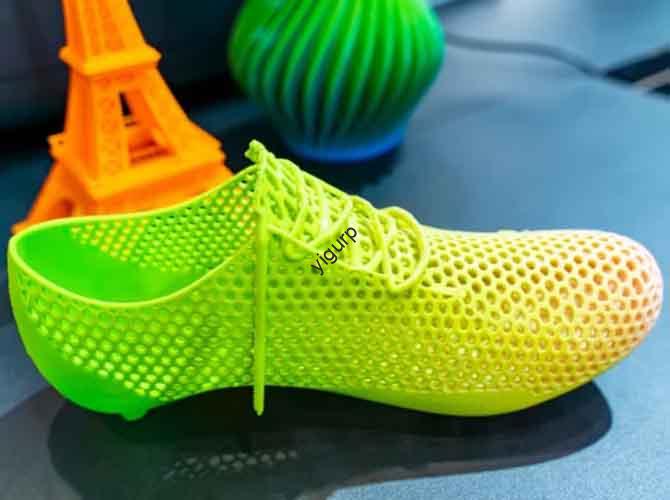
Definition: What Is Fashion 3D Printing?
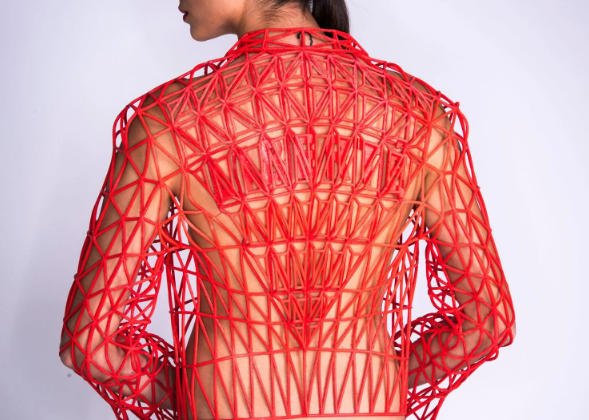
Fashion 3D Printing (also called additive manufacturing for clothing) is a transformative technology that builds fashion pieces—from garments to accessories—layer by layer using specialized, fashion-focused materials. Unlike traditional fashion production, which relies on cutting fabric, sewing, and labor-intensive assembly, this process uses digital designs to create customized, intricate, and on-demand fashion items.
At its core, Fashion 3D Printing is driven by digital fabrication in fashion—the use of 3D modeling software to craft every detail, from the texture of a dress to the pattern of a necklace. It enables rapid prototyping for fashion, letting designers test new looks in days instead of weeks, and fuels innovative fashion design—unlocking shapes, structures, and details that traditional methods can’t achieve (e.g., seamless 3D-printed dresses or geometrically complex jewelry).
Our Capabilities: Crafting Fashion That Stands Out
At Yigu Technology, we’ve tailored our Fashion 3D Printing capabilities to meet the unique needs of fashion designers, brands, and creatives. Our services balance precision, flexibility, and style to bring your fashion vision to life.
| Capability | Key Features | Ideal Use Cases |
| High-Precision Printing | Layer resolution as low as 0.1mm; captures tiny details (e.g., lace-like patterns on dresses, intricate engravings on jewelry) | Delicate accessories, detailed garment accents, high-end jewelry |
| Custom Fashion Designs | Fully personalized pieces (e.g., made-to-measure dresses, branded accessories); collaborative design process with clients | Red-carpet outfits, limited-edition collections, personalized brand merch |
| Intricate Patterns | Supports complex, seamless patterns (e.g., 3D geometric motifs, 镂空 lace structures); no extra stitching or assembly needed | Statement dresses, decorative hat brims, patterned shoe uppers |
| Flexible and Durable Materials | Uses materials that balance flexibility (for comfort) and durability (for everyday wear); tested for stretch and wear resistance | Garments (dresses, jackets), shoes, wearable accessories (belts, cuffs) |
| Rapid Prototyping | Turnaround time as fast as 48 hours for simple prototypes; iterative design support | Designer concept testing, runway show samples, brand collection previews |
Materials: Fashion-Forward Choices for 3D-Printed Pieces
The materials used in Fashion 3D Printing are carefully selected to balance style, comfort, and functionality. At Yigu Technology, we offer materials tailored to different fashion needs—from flexible garments to rigid jewelry:
| Material Type | Examples | Key Benefits for Fashion | Best For |
| Flexible Filaments | TPU filaments (soft, medium, firm), flexible PLA | Stretchable; comfortable against skin; durable for repeated wear | Garments (dresses, leggings), shoe uppers, belts |
| TPU (Thermoplastic Polyurethane) | High-stretch TPU, waterproof TPU | Excellent flexibility; resistant to water and wear; retains shape after stretching | Activewear, swimwear, outdoor fashion accessories |
| PLA (Polylactic Acid) | Colored PLA, matte PLA, glitter PLA | Eco-friendly (biodegradable); easy to dye; smooth finish | Jewelry, decorative garment accents, hats (non-stretchy parts) |
| Fabric-Like Materials | 3D-printed mesh fabrics, textile-reinforced filaments | Mimics the feel of traditional fabric; breathable; lightweight | Dresses, blouses, scarves, delicate accessories |
| Composites | Carbon fiber-reinforced TPU, metal-infused PLA | Strong yet lightweight; adds texture or shine; durable for high-use items | Shoes (soles, heels), statement jewelry, structural garment parts |
Data Insight: In 2024, 68% of our fashion clients chose TPU for garments and shoes (due to its flexibility and durability), while 72% of jewelry and accessory projects used PLA (for its eco-friendliness and easy customization).
Case Studies: Success Stories in Fashion 3D Printing
Our work with fashion designers, brands, and creatives has shown how 3D printing can transform fashion. Below are two standout projects:
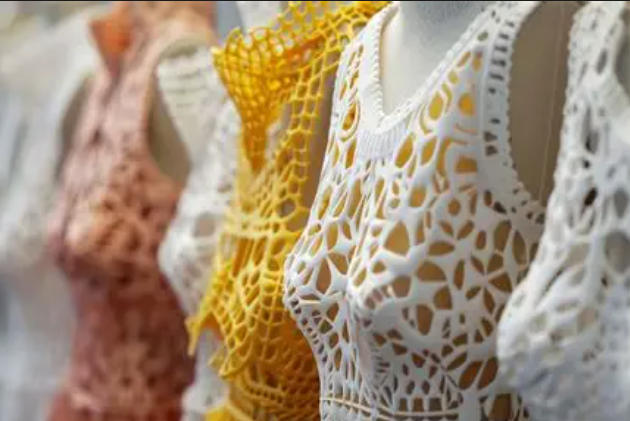
Case Study 1: Runway Collection for a Emerging Fashion Designer
Client: Lila Chen, an emerging designer focused on sustainable, futuristic fashion.
Goal: Create a 5-piece runway collection for New York Fashion Week, featuring innovative 3D-printed elements that align with her sustainable values.
Solution: We collaborated with Lila to design 3D-printed key pieces—including a seamless TPU dress, 3D-printed mesh jackets, and PLA jewelry. We used high-precision printing to create intricate lace-like patterns on the dresses, and flexible filaments to ensure the garments were comfortable for models to wear. We also prioritized sustainability by using biodegradable PLA and minimal material waste.
Result: The collection received widespread media coverage (including features in Elle and WWD) and led to Lila securing a partnership with a major luxury retailer. The 3D-printed dress from the collection became a viral sensation on social media, with over 500,000 shares.
Case Study 2: Custom Shoe Line for a Sustainable Brand
Client: EcoStep, a sustainable shoe brand focused on reducing environmental impact.
Goal: Launch a line of 3D-printed shoes that use less material than traditional sneakers and are fully customizable.
Solution: We designed 3D-printed shoe uppers using high-stretch TPU (for comfort and durability) and 3D-printed soles using a composite material (for support). We offered customers customization options—including sole pattern, color, and size—and used rapid prototyping to test 10 different designs in 2 weeks. We also ensured the shoes were sustainable by using recyclable materials.
Result: The shoe line sold out in 2 weeks, and EcoStep received 2,000+ pre-orders for the next batch. Customers praised the shoes for their fit (95% said the custom size was perfect) and sustainability, and the brand’s carbon footprint for the line was 35% lower than their traditional shoe lines.