
Our Corrosion-resistant Plastics CNC Machining Services
At Yigu Technology, we excel in Corrosion-resistant Plastics CNC Machining—crafting precision parts that thrive in harsh chemical, moisture, and industrial environments.
By combining advanced CNC Milling and CNC Turning with top-tier High-Performance Polymers like PVDF and PTFE, we deliver cost-effective, custom solutions for chemical processing, automotive, and medical sectors, ensuring long-lasting durability and design flexibility in every component.
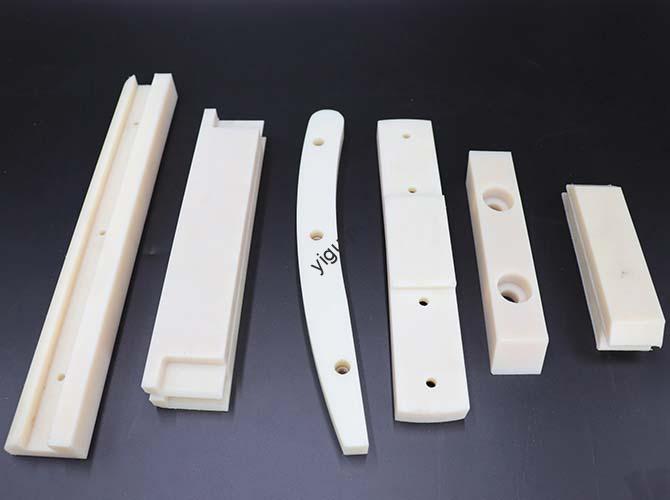
Our Capabilities: Precision for Corrosion-Prone Needs
At Yigu Technology, our Corrosion-resistant Plastics CNC Machining capabilities are tailored to meet the tough demands of industries facing corrosion challenges. We leverage cutting-edge equipment and skilled teams to deliver consistent, high-quality results:
| Capability | Key Features | Typical Use Cases |
| Precision Machining | Achieves tolerances as tight as ±0.005mm; ideal for micro-components in chemical systems | Medical fluid handling parts, electronic sensor housings |
| Custom Machined Parts | Tailored designs for unique corrosion requirements; supports low-to-high volume runs | Chemical reactor components, aerospace fuel system parts |
| High-Tolerance Machining | Adheres to strict Tolerance Standards (e.g., ISO 8015) for critical corrosion-resistant parts | Automotive fuel lines, industrial valve bodies |
| Complex Part Production | Handles intricate geometries (e.g., internal channels, thin walls) without compromising corrosion resistance | Consumer electronics waterproof enclosures |
| Rapid Prototyping | Fast turnaround (3–5 days) for prototype testing; perfect for new product development | Chemical processing tool prototypes |
| Production Machining | Scalable for mass production (10,000+ units/month) with consistent corrosion performance | Industrial pump components |
| Quality Assurance | In-line testing for corrosion resistance and dimensional accuracy using Inspection Methods like CMM | All industries requiring chemical durability |
What Is Corrosion-resistant Plastics CNC Machining?
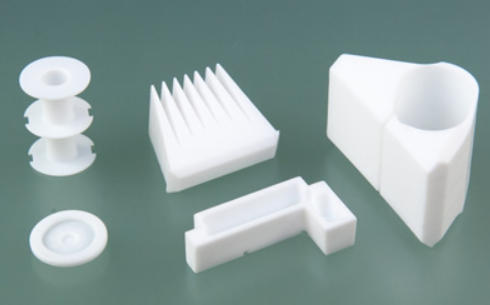
Corrosion-resistant Plastics CNC Machining merges two essential technologies: CNC Machining (automated, computer-controlled shaping) and Corrosion-resistant Plastics (polymers engineered to resist degradation from chemicals, moisture, salts, and harsh solvents). Unlike standard plastics or metals, these High-Performance Polymers and Engineering Plastics retain structural integrity even in aggressive environments.
The Machining Process—including milling, turning, and drilling—shapes these materials into precise parts while preserving critical Material Properties (e.g., chemical resistance, thermal stability). This makes the technology ideal for Applications where corrosion protection is non-negotiable, such as chemical processing equipment, medical devices, or marine components.
Process: Step-by-Step Guide to Corrosion-resistant Plastics CNC Machining
The Corrosion-resistant Plastics CNC Machining process follows 6 key stages, each optimized to protect the material’s corrosion-resistant properties and ensure precision:
- Design & Programming: Convert 3D models into CNC code, with a focus on Tool Selection (e.g., carbide tools for hard polymers like PEEK to avoid material contamination).
- Machine Setup: Calibrate CNC mills/turning centers and secure the corrosion-resistant plastic to avoid vibration—critical for maintaining Dimensional Accuracy.
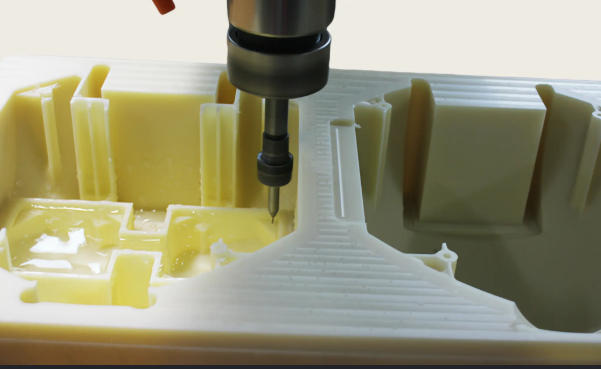
- CNC Milling: Use rotating cutters to shape flat or irregular parts (e.g., chemical tank lids), adjusting speed to prevent material overheating (which can degrade corrosion resistance).
- CNC Turning: Rotate the material while a cutting tool creates cylindrical parts (e.g., automotive fuel tubes), ensuring smooth surfaces to reduce chemical buildup.
- Drilling Operations: Create precise holes with high-speed drills, using Cutting Techniques that minimize material stress (key for preserving corrosion resistance).
- Grinding Processes: Refine surfaces to meet finish requirements (e.g., Ra 0.4μm for medical fluid parts) and confirm corrosion performance post-machining.
Note: Every stage includes quality checks using Measurement Techniques like laser scanning to verify both dimensions and material integrity.
Materials: Choosing the Right Corrosion-resistant Plastic
Selecting the correct material is vital for successful Corrosion-resistant Plastics CNC Machining. Below is a comparison of our most trusted corrosion-resistant materials, each optimized for specific chemical environments:
| Material Type | Chemical Resistance (Key Substances) | Temperature Resistance | Key Benefits | Ideal Applications |
| Polyvinylidene Fluoride (PVDF) | Resists acids, alkalis, solvents | -40°C to 150°C | High strength, UV resistance | Chemical processing tanks, water treatment parts |
| Polytetrafluoroethylene (PTFE) | Resists nearly all chemicals (except molten alkali metals) | -200°C to 260°C | Extremely low friction, non-stick surface | Medical fluid lines, industrial gaskets |
| Polyether Ether Ketone (PEEK) | Resists oils, fuels, weak acids | -60°C to 260°C | High strength-to-weight ratio, biocompatible | Aerospace fuel components, medical implants |
| Polyphenylene Sulfide (PPS) | Resists acids, salts, automotive fluids | -100°C to 220°C | Flame-retardant, low moisture absorption | Automotive engine parts, industrial sensors |
| Polyether Sulfone (PES) | Resists weak acids, detergents, alcohols | -100°C to 180°C | Transparent, good impact resistance | Medical diagnostic devices, consumer electronics |
| Polysulfone (PSU) | Resists acids, bases, hydrocarbons | -100°C to 180°C | Excellent dimensional stability | Industrial valve components, aerospace ducts |
| Polyamide (PA) | Resists oils, greases, mild solvents | -40°C to 120°C | High toughness, good fatigue resistance | Automotive gear housings, industrial fasteners |
| Specialty Corrosion-resistant Grades | Resists extreme chemicals (e.g., chlorine, sulfuric acid) | -150°C to 300°C | Tailored for harsh environments | Oil & gas components, nuclear industry parts |
Advantages: Why Choose Corrosion-resistant Plastics CNC Machining?
Compared to traditional metal machining or non-corrosion-resistant plastic processes, Corrosion-resistant Plastics CNC Machining offers unique benefits for harsh environments:
- Chemical Resistance: Materials like PTFE and PVDF resist nearly all chemicals, outperforming metals (e.g., steel, aluminum) that rust or degrade in acids/solvents.
- High Strength-to-Weight Ratio: Corrosion-resistant plastics are 40–70% lighter than metals (e.g., stainless steel) while maintaining similar strength, ideal for aerospace and automotive.
- Thermal Stability: Many polymers (e.g., PEEK) withstand temperatures from -60°C to 260°C, suitable for extreme hot/cold chemical environments.
- Low Coefficient of Friction: PTFE and PVDF have friction coefficients 70% lower than steel, reducing wear in moving parts like valves or pumps.
- Dimensional Stability: Low thermal expansion (0.00001–0.00004 mm/mm°C) ensures parts retain shape, even in temperature/chemical fluctuations.
- Cost-Effective Production: Faster machining speeds and lower material costs (vs. corrosion-resistant metals like titanium) reduce total part cost by 25–50%.
- Design Flexibility: CNC machining supports complex geometries (e.g., internal fluid channels) that casting or molding cannot achieve, enabling innovative part designs.
- High-Temperature Performance: Specialty grades (e.g., ceramic-filled PEEK) maintain corrosion resistance at temperatures up to 300°C, perfect for high-heat chemical processes.
Applications Industry: Where Corrosion-resistant Plastics Excel
Our Corrosion-resistant Plastics CNC Machining solutions serve industries facing constant chemical or moisture exposure. Below are key sectors and their specific needs:
| Industry | Key Applications | Material Preference |
| Automotive | Fuel lines, engine sensors, battery housings | PEEK, PPS (resists oils/fuels) |
| Aerospace | Fuel system components, hydraulic lines | PVDF, Specialty grades (high temp/chemical resistance) |
| Electronics | Waterproof enclosures, connector housings | PES, PSU (resists moisture/solvents) |
| Medical | Fluid handling parts, implantable devices | PTFE, PEEK (biocompatible/chemical-resistant) |
| Industrial Equipment | Chemical pumps, valve bodies, tank lids | PVDF, PTFE (resists acids/solvents) |
| Chemical Processing | Reactor components, pipeline fittings, mixers | PTFE, Specialty grades (extreme chemical resistance) |
| Consumer Goods | Dishwasher parts, waterproof phone casings | PA, PES (cost-effective/moisture-resistant) |
| Sporting Goods | Marine equipment parts, golf club grips | PVDF, PEEK (resists saltwater/weather) |
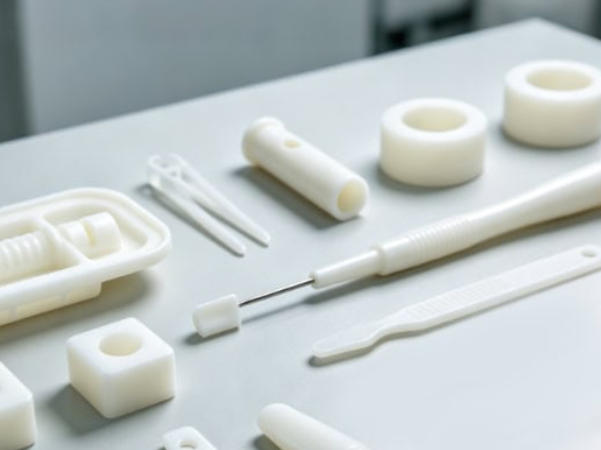
Case Studies: Real-World Success with Corrosion-resistant Plastics
Case Study 1: Chemical Processing Reactor Lid
- Challenge: A chemical manufacturer needed a lid for a sulfuric acid reactor that could withstand 98% concentration acid and temperatures up to 120°C. Metal lids corroded within 6 months.
- Solution: We used PTFE and CNC Milling to create the lid, with polishing for a smooth, chemical-resistant surface. We tested it for acid resistance (72-hour immersion, no degradation).
- Result: The lid lasted 5+ years (10x longer than metal), reduced maintenance costs by 70%, and eliminated acid leaks.
Case Study 2: Medical Fluid Handling Tube
- Challenge: A medical device firm needed a biocompatible tube for delivering chemotherapy drugs (which corrode standard plastics). The tube required tight tolerances (±0.005mm) and flexibility.
- Solution: We machined PEEK using high-tolerance CNC Turning and added heat treatment to enhance flexibility. The part was tested for biocompatibility (ISO 10993) and chemical resistance.
- Result: The tube met FDA standards, withstood 100+ chemotherapy cycles without degradation, and reduced patient infection risk (no chemical leaching).