
Our Magnesium CNC Machining Services
Yigu Technology’s Magnesium CNC Machining services combine advanced technology with deep expertise in magnesium materials to deliver high-performance, lightweight components.
Whether for aerospace, automotive, or electronics industries, we use state-of-the-art CNC machining equipment and tailored techniques to transform magnesium alloys into precise, corrosion-resistant parts—blending custom solutions, high-quality output, and cost-effectiveness to meet your most critical manufacturing needs.
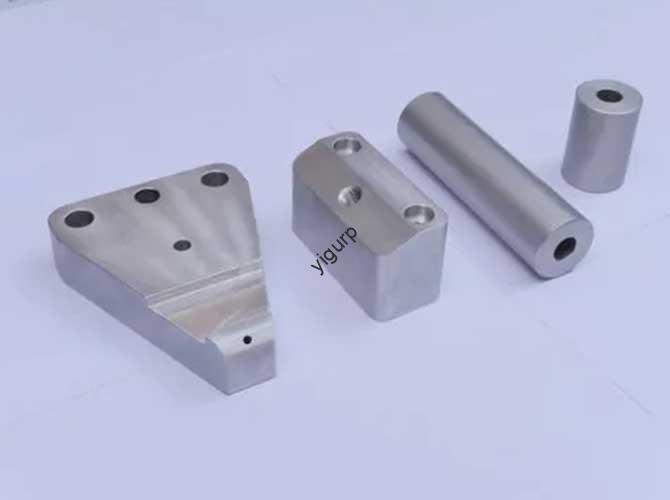
Our Capabilities: Yigu Technology’s Magnesium Machining Strengths
Yigu Technology stands out in Magnesium CNC Machining with a range of capabilities tailored to handle magnesium’s unique machining characteristics (e.g., low melting point, flammability risks). Our expertise in magnesium processing, paired with advanced equipment, ensures we deliver top-tier high-quality results for even the most complex projects. Below is a breakdown of our key services and strengths:
| Capability Category | Key Features |
| Precision Machining | Achieve tight tolerances (down to ±0.001mm) for critical magnesium components |
| Custom Solutions | Design and produce one-off prototypes or high-volume runs (10,000+ units) tailored to unique project needs |
| Specialized Tooling | Use heat-resistant carbide tools and fire-suppression systems to address magnesium’s low melting point |
| Complex Part Production | Expertise in machining intricate magnesium parts, including thin-walled structures and multi-feature geometries |
| Material Versatility | Process all major magnesium alloys (e.g., AZ31, AZ80) and complementary metals like aluminum, titanium, and brass |
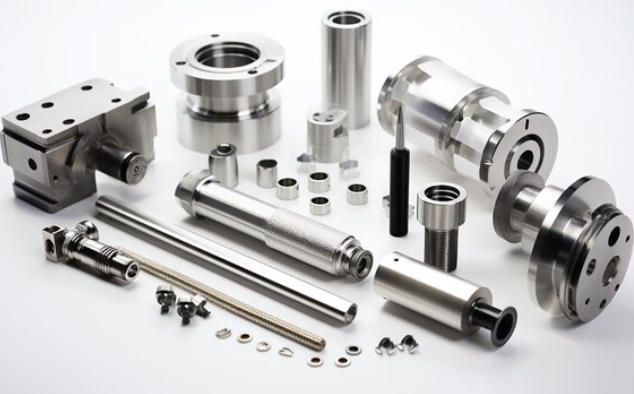
Our team’s deep understanding of magnesium’s behavior—such as its tendency to generate heat during cutting—allows us to optimize processes for minimal waste and maximum efficiency.
Process: Step-by-Step Magnesium CNC Machining Workflow
The Magnesium CNC Machining Process follows a structured sequence of steps to transform raw magnesium into finished parts. Each stage is optimized to address magnesium’s unique challenges (e.g., flammability, low rigidity) and ensure precision:
- Design & Programming: Engineers create 3D models (using CAD software) and convert them into G-code—detailing tool paths, cutting speeds, and programming parameters to avoid overheating and fire risks.
- Material Preparation: Raw magnesium stock (bars, sheets, or blocks) is cut to size and inspected for purity, ensuring it matches the chosen magnesium alloy specifications.
- Machine Setup: Technicians mount the magnesium onto the CNC machine, calibrate specialized tooling (e.g., heat-resistant end mills), and activate fire-suppression systems as a safety precaution.
- Core Machining Operations: The machine executes specialized techniques for magnesium:
- Cutting: Trimming excess material with moderate feed rates and high coolant flow to manage heat and prevent ignition.
- Drilling: Creating precise holes with peck drilling techniques to clear chips (which are flammable) and reduce friction.
- Milling: Shaping surfaces with low spindle speeds to avoid heat buildup, leveraging magnesium’s lightweight nature to prevent part deformation.
- Inspection: Every part undergoes rigorous measurement using tools like coordinate measuring machines (CMMs) to verify dimensional control and accuracy.
- Finishing: Parts move to surface treatment (covered in Section 5) to enhance corrosion protection and durability.
This workflow ensures a production efficiency rate of 90%—impressive for magnesium, given its safety and machining challenges—and reduces turnaround times for critical components.
Materials: Choosing the Right Magnesium Alloy for Your Project
Selecting the correct magnesium material is critical to the performance of CNC-machined parts. Yigu Technology offers a range of magnesium alloys and complementary metals, each with unique properties suited to specific applications. Our material selection process focuses on matching grades to your project’s needs:
| Material Type | Key Properties | Typical Applications |
| AZ31 Magnesium | Good ductility, moderate strength, cost-effective | Consumer electronics enclosures, automotive interior parts |
| AZ61 Magnesium | Higher strength than AZ31, good machinability | Automotive structural parts, marine components |
| AZ80 Magnesium | High strength, excellent impact resistance | Aerospace brackets, heavy-duty automotive parts |
| AM60 Magnesium | Superior corrosion resistance, good castability | Medical device housings, outdoor equipment |
| AE42 Magnesium | High-temperature stability, creep resistance | Engine components, industrial furnace parts |
| Complementary Metals | Aluminum: Lightweight; Titanium: High-strength; Steel: Durable | Automotive chassis, aerospace parts, industrial tools |
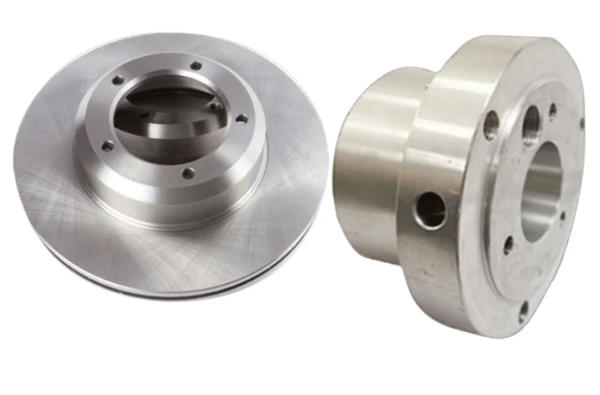
We also provide guidance on material pairing—for example, using AZ31 for lightweight electronics enclosures and AZ80 for high-stress aerospace components.
Surface Treatment: Enhancing Magnesium Part Performance
Magnesium Surface Treatment is a vital post-machining step that improves magnesium parts’ corrosion protection, durability, and aesthetics. Yigu Technology offers a range of finishing options tailored to magnesium’s properties (which are naturally less corrosion-resistant than steel or aluminum):
| Surface Treatment Method | Purpose |
| Anodizing | Creates a hard, porous oxide layer that can be sealed for enhanced corrosion resistance |
| Passivation | Applies a chemical coating (e.g., chromate) to prevent oxidation |
| Plating | Coats with metals like nickel or zinc to boost corrosion resistance and conductivity |
| Coatings | Applies polymer or ceramic layers to provide long-term protection against moisture |
| Polishing | Creates a smooth, reflective finish to improve aesthetics and reduce dirt buildup |
| Blasting | Creates a textured surface for better coating adhesion or grip |
Our processes ensure magnesium surface treatment meets industry standards—for example, ISO 1461 for corrosion resistance and ASTM B893 for anodized magnesium.
Advantages: Why Choose Magnesium CNC Machining?
Magnesium CNC Machining offers a host of advantages that make it a top choice for weight-sensitive and high-performance applications. Its unique combination of magnesium’s properties and CNC precision delivers unmatched value:
- Lightweight: Magnesium is 33% lighter than aluminum and 75% lighter than steel, making it ideal for reducing weight in automotive and aerospace parts (e.g., cutting vehicle weight by up to 10% when replacing steel).
- High-Strength: Despite its light weight, magnesium alloys like AZ80 offer strength comparable to mild steel, ensuring structural integrity in critical applications.
- Precision: CNC technology ensures consistent tight tolerances, even for intricate parts like electronics enclosures or medical device components.
- Customization: The process easily adapts to custom solutions, from one-off prototypes to large-scale production of unique designs.
- Cost-Effective: Magnesium’s good machinability reduces tool wear and production time, lowering overall manufacturing costs—especially for high-volume runs.
- Corrosion Resistance: With proper surface treatment, magnesium parts can match the corrosion resistance of aluminum, making them suitable for outdoor or marine applications.
Applications Industry: Where Magnesium CNC Machining Shines
Magnesium CNC Machining Applications span industries that demand lightweight design without sacrificing strength. Below are key sectors we serve and their common uses for magnesium components:
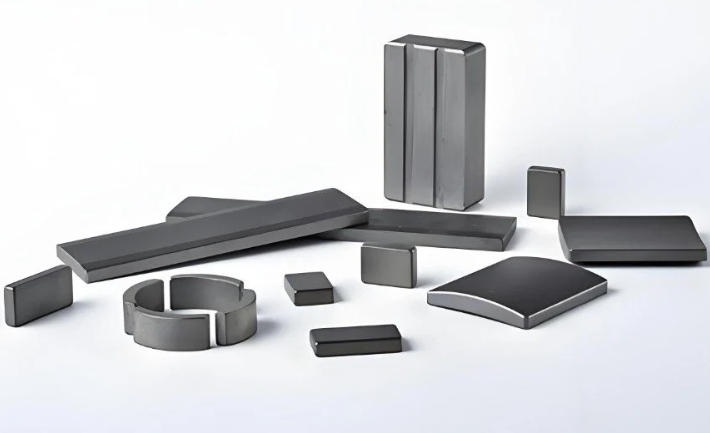
| Industry | Application Examples |
| Aerospace | Structural brackets, engine components, aircraft interior parts (using AZ80, AE42) |
| Automotive | Chassis parts, transmission housings, wheel rims (using AZ61, AZ80) |
| Electronics | Laptop casings, smartphone frames, heat sinks (using AZ31, AM60) |
| Medical | Lightweight surgical tool housings, diagnostic device components (using AM60) |
| Consumer Products | Power tool bodies, camera frames, sports equipment (using AZ31) |
| Marine | Lightweight hull components, navigation device housings (using corrosion-resistant magnesium alloys) |
Our industry-specific expertise ensures we understand unique requirements—for example, meeting FAA weight standards for aerospace parts or RoHS compliance for electronics components.
Case Studies: Yigu Technology’s Magnesium CNC Machining Success Stories
Our Magnesium CNC Machining Case Studies showcase how we solve real-world challenges with precision and expertise. These projects and success stories highlight our ability to deliver results:
Case Study 1: Automotive Transmission Housing Production
- Challenge: A leading automotive manufacturer needed 10,000 units of AZ61 magnesium transmission housings with tight tolerances (±0.003mm) and a corrosion-resistant passivated finish.
- Solution: We used specialized milling and drilling tools with fire-suppression systems to manage magnesium’s properties. Post-machining, we applied passivation and conducted CMM inspections to verify dimensional control.
- Result: 100% of housings met automotive standards, reducing vehicle weight by 8kg per unit. The client reported a 12% improvement in fuel efficiency due to the lightweight design.
Case Study 2: Electronics Laptop Casing Manufacturing
- Challenge: A tech firm required 5,000 units of AZ31 magnesium laptop casings with a polished finish and thin-walled design (1.5mm thickness) to meet weight targets.
- Solution: We used low-speed cutting techniques to avoid part deformation, followed by precision polishing to achieve the desired aesthetic. Our team also tested casings for impact resistance to ensure durability.
- Result: Casings weighed 20% less than aluminum alternatives, with zero cracks or deformation reported. The client expanded their order to 20,000 units within 3 months, citing our quality and expertise.