
Yigu HIPS 3D Printing Services
Unlock the full potential of your manufacturing and design projects with HIPS 3D Printing—the perfect blend of cost-effectiveness, high-impact resistance, and customization. At Yigu Technology, we deliver top-tier custom HIPS printing services, from small prototypes to large-scale HIPS printing, ensuring precision and quality at every step.
Whether you’re in automotive, aerospace, or consumer goods, yigu HIPS 3D printing solutions turn your ideas into durable, high-quality reality.
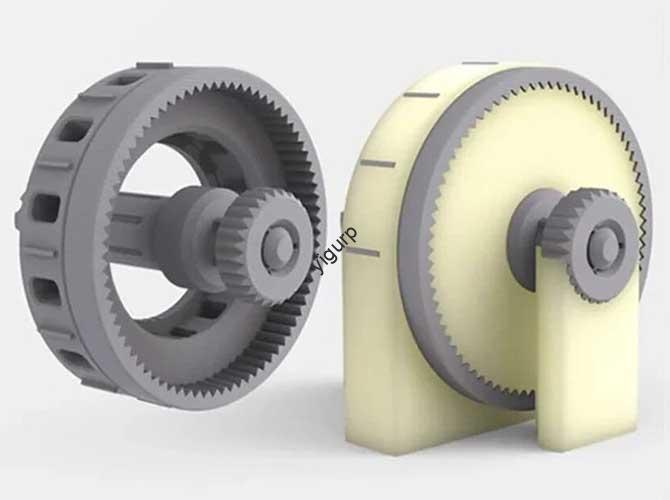
What Is HIPS 3D Printing?
HIPS 3D Printing (short for High Impact Polystyrene 3D Printing) is a versatile additive manufacturing method that uses HIPS Material in 3D Printing to create durable, cost-effective parts. At its core, HIPS (High Impact Polystyrene) is a thermoplastic polymer enhanced with rubber additives, giving it superior toughness compared to standard polystyrene.
This technology falls under the broader umbrella of 3D Printing Technology, leveraging layer-by-layer deposition to build parts with complex geometries. Unlike brittle materials, HIPS balances rigidity and impact resistance, making it ideal for both functional prototypes and end-use parts. Below is a quick breakdown of key terms in HIPS 3D printing:
| Term | Definition |
| High Impact Polystyrene (HIPS) | A thermoplastic with rubber modifiers for improved impact resistance. |
| HIPS 3D Printing | The process of using HIPS filament/resin in additive manufacturing. |
| 3D Printing Technology | Additive methods that build parts layer by layer (e.g., FDM, SLA). |
Process: How HIPS 3D Printing Works
The HIPS 3D Printing Process follows a structured sequence of steps, combining pre-processing, printing, and post-processing to create high-quality parts. Below is a step-by-step breakdown:
- Pre-processing: This stage involves designing the 3D model (using CAD software) and preparing it for printing. Key steps include slicing the model into layers (via software like Cura) and setting Printing Parameters (e.g., temperature, layer height, print speed). For HIPS, typical nozzle temperatures range from 220–250°C, with a bed temperature of 90–110°C.
- Layer-by-layer Printing: The 3D printer deposits melted HIPS Filament (for FDM) or cures HIPS Resin (for SLA) one layer at a time. Each layer bonds to the previous one, building the part from the bottom up. This layer-by-layer printing method allows for complex shapes that traditional manufacturing can’t achieve.
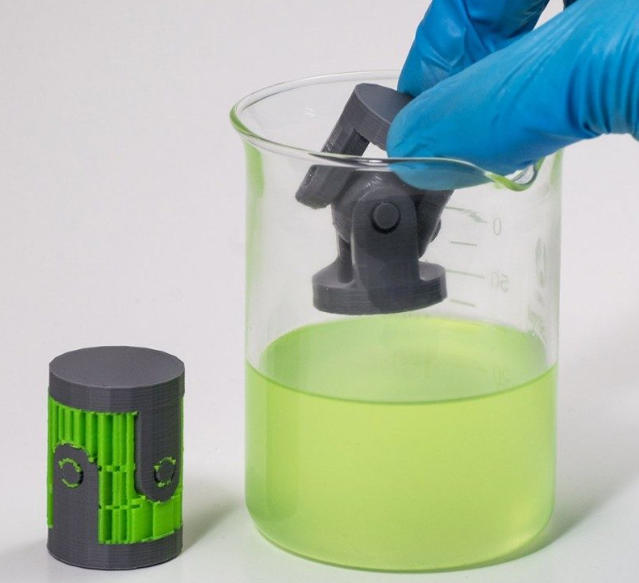
- Post-processing: After printing, parts undergo cleaning (e.g., removing support structures) and finishing (e.g., sanding, painting). For HIPS, post-processing often includes dissolving support materials (e.g., using limonene for FDM supports) to achieve a smooth finish.
The table below highlights critical Printing Parameters for HIPS 3D printing:
| Parameter | FDM (Filament) | SLA (Resin) |
| Nozzle/Laser Temperature | 220–250°C | N/A (UV curing) |
| Bed Temperature | 90–110°C | N/A |
| Layer Height | 0.1–0.3mm | 0.025–0.1mm |
| Print Speed | 30–60mm/s | 50–100mm/h |
Materials: HIPS Filament, Resin, and Properties
Choosing the right HIPS Material in 3D Printing is critical to project success. HIPS is available in two main forms—HIPS Filament (for FDM) and HIPS Resin (for SLA)—each with unique properties and use cases.
Key Material Options
| Material Type | Common Sizes | Best For |
| HIPS Filament | 1.75mm, 2.85mm | Functional prototypes, large parts, low-cost end-use items. |
| HIPS Resin | Liquid (500ml/1L bottles) | High-detail parts, smooth surfaces (e.g., medical devices, toys). |
Critical Material Properties of HIPS
HIPS stands out for its balance of performance and cost. Below are its key properties:
- Impact Resistance: High (due to rubber additives), making it ideal for parts that need to withstand drops or pressure.
- Density: 1.03–1.06 g/cm³ (lightweight compared to metals).
- Temperature Resistance: Heat deflection temperature (HDT) of 70–90°C (suitable for indoor/moderate-temperature use).
- Chemical Compatibility: Soluble in limonene (great for dissolving supports) but resistant to water and mild chemicals.
Material Selection Tips
- Choose HIPS Filament for large, durable parts (e.g., automotive bumpers, industrial bins).
- Opt for HIPS Resin for high-detail parts (e.g., medical device components, toy figurines).
Pair HIPS with support materials like PVA (for FDM) or soluble resins (for SLA) to print complex geometries.
Applications Industry: Where HIPS 3D Printing Shines
HIPS 3D printing is versatile enough to serve a wide range of industries. Its balance of cost, durability, and customization makes it a go-to material for many applications:
| Industry | Key Applications | Why HIPS Is Ideal |
| Automotive Industry | Interior components (e.g., dashboard prototypes), bumpers, air ducts. | High-impact resistance; cost-effective for low-volume production. |
| Aerospace Industry | Non-critical parts (e.g., cable organizers, tool holders). | Lightweight; meets flame-retardant standards (with additives). |
| Consumer Goods | Toys, kitchenware, electronics housings (e.g., phone cases). | Customizable; smooth surface finish with treatment. |
| Medical Devices | Prototypes for surgical tools, orthopedic inserts (non-implantable). | Biocompatible (with FDA-approved grades); easy to sterilize. |
| Toys and Hobbies | Action figures, model kits, cosplay props. | Durable; easy to paint and detail. |
Case Studies: Yigu Technology’s HIPS 3D Printing Success Stories
Our Case Studies showcase how we’ve helped clients solve problems and achieve their goals with HIPS 3D printing. Here are three industry-specific examples:
Case 1: Automotive Prototype for a Global Manufacturer
- Challenge: A leading automotive company needed a durable prototype of a new dashboard component for testing—with a 2-week deadline.
- Solution: We used large-scale HIPS printing (FDM) to create the prototype, with custom HIPS printing to match the dashboard’s complex geometry. Post-processing included sanding and smoothing for a realistic finish.
- Result: The prototype was delivered in 10 days, with dimensional accuracy within ±0.1mm. The client used it to test fit and functionality, saving $50,000 compared to injection molding.
- Customer Testimonial: “Yigu’s HIPS 3D printing helped us accelerate our design timeline without compromising on quality. The prototype was indistinguishable from the final part.” — Automotive Engineering Manager
Case 2: Medical Device Component for a Startup
- Challenge: A medical startup needed a high-detail prototype of a surgical tool handle—with biocompatible materials.
- Solution: We used HIPS resin (SLA) for high detail, with chemical treatment to achieve a smooth, sterile surface. We also conducted measurement and inspection to meet medical tolerance standards.
- Result: The prototype passed biocompatibility tests and was used to secure FDA approval. The startup saved 3 months of development time.
Case 3: Toy Production for a Local Brand
- Challenge: A toy brand wanted to launch a limited-edition action figure line—with custom colors and low production costs.
- Solution: We used custom HIPS printing (FDM) for the figures, with painting and coating to match the brand’s colors. We also offered large-scale HIPS printing to produce 500 units in 2 weeks.
Result: The figures sold out in 3 days, with customers praising their durability. The brand plans to expand the line using our services.
Why Choose Us: Yigu Technology’s HIPS 3D Printing Advantage
When you choose Yigu Technology for HIPS 3D Printing Services, you’re partnering with a team that combines expertise and experience with a focus on quality and customer satisfaction. Here’s why we stand out:
- Expertise and Experience: Our team has 10+ years of experience in 3D printing, with specialized knowledge of HIPS materials and processes. We’ve worked with 500+ clients across industries, from startups to Fortune 500 companies.
- Quality Assurance: We follow strict quality control processes, from material selection to measurement and inspection. Every part is tested to ensure it meets tolerance levels and surface quality standards.
- Customer Support: We offer end-to-end support—from design advice to post-processing. Our engineers are available 24/7 to answer questions and resolve issues, ensuring your project stays on track.
- Innovation and Development: We invest in the latest 3D printing technology (e.g., high-precision FDM/SLA printers) and research new HIPS printing techniques to deliver better results.
- Value-added Services: Beyond printing, we offer surface treatment (sanding, painting), support material removal, and even design optimization to reduce costs and improve part performance.
We don’t just print parts—we help you turn your ideas into successful products.