
Yigu Silver 3D Printing Services
Unlock the full potential of silver with Silver 3D Printing—the fusion of advanced additive manufacturing and silver’s unmatched electrical conductivity, timeless luster, and biocompatibility.
From high-performance electronics components to elegant jewelry, our solutions deliver exceptional precision, seamless customization, and faster production. Experience cost-effective innovation that turns your designs into durable, high-quality silver parts—redefining excellence in tech, luxury, and beyond.
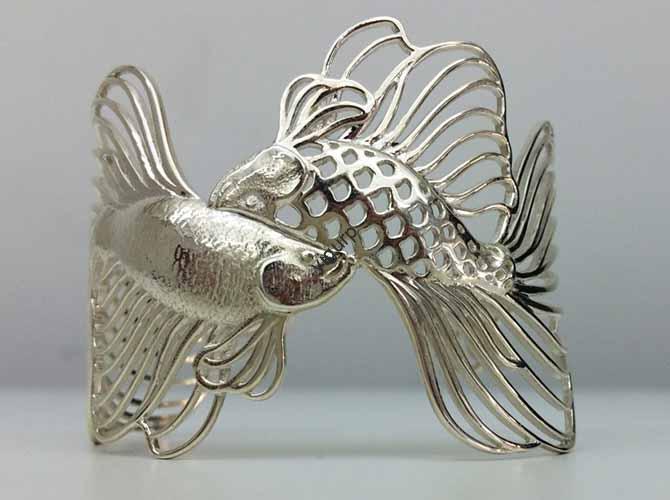
What Is Silver 3D Printing?
The definition of Silver 3D Printing centers on an advanced additive manufacturing process that transforms silver feedstock (primarily powder) into functional or decorative parts through layer-by-layer fabrication. Unlike traditional silverworking methods (e.g., casting, hammering), it follows a clear concept: using digital designs to guide specialized machines that melt or bind silver into precise, three-dimensional objects.
At its core, this technology leverages silver’s unique properties—including the highest electrical conductivity of any metal (63 MS/m), excellent thermal conductivity (429 W/m·K), and natural luster—to solve challenges in industries ranging from electronics to jewelry. The overview of Silver 3D Printing includes both pure silver and silver alloys, each tailored to specific needs (e.g., alloying with copper for enhanced strength in electronics).
Key Basics of Silver 3D Printing:
| Term | Description | Role in the Process |
| Pure Silver (99.9%) | High conductivity, soft (2.5 Mohs hardness), brilliant luster | Electronics connectors, luxury jewelry, medical implants |
| Silver Alloys | Blends like sterling silver (92.5% Ag + 7.5% Cu) or silver-palladium (for high-temperature resistance) | Durable jewelry, industrial components, automotive sensors |
| Layer-by-Layer Fabrication | Building parts one thin layer (0.01–0.1mm) at a time | Enables intricate geometries (e.g., micro-channels in electronics) impossible with traditional methods |
Our Capabilities: Delivering Silver 3D Printing Excellence
At Yigu Technology, our Silver 3D Printing capabilities are engineered to meet the diverse demands of tech, luxury, and medical industries. We combine cutting-edge equipment with deep technical expertise to deliver exceptional results:
- Technical Proficiency: Our engineers have 5+ years of specialized experience in silver additive manufacturing, understanding how to handle silver’s high value and unique properties (e.g., low melting point: 961°C) to minimize waste and maximize precision.
- Advanced Skills: We master silver-specific processes, from optimizing print parameters for minimal porosity to achieving mirror-like polishing finishes—critical for both electronics performance and jewelry aesthetics.
- Customization Competence: Whether you need a one-of-a-kind silver necklace, a custom electronics connector, or a patient-specific medical electrode, we tailor every step (material selection, post-processing) to your unique design.
- Scalable Output: We handle projects of all sizes—from 1-off prototypes (ready in 2–4 days) to 5,000+ high-volume electronics parts—with consistent quality across every batch.
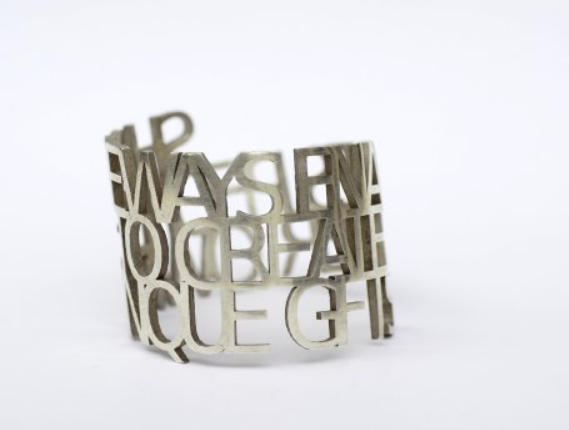
Table: Our Silver 3D Printing Capabilities vs. Industry Averages
| Capability | Yigu Technology Performance | Industry Average |
| Max Build Volume | 300mm × 300mm × 350mm | 250mm × 250mm × 300mm |
| Prototyping Lead Time | 2–4 days | 5–7 days |
| Production Capacity | Up to 4,000 parts/week | Up to 1,800 parts/week |
| Part Density (Pure Silver) | 99.5–99.7% | 95–98% |
| Material Waste | <4% | 10–15% |
Advantages: Why Silver 3D Printing Outperforms Traditional Methods
Silver 3D Printing offers a range of advantages that make it superior to traditional silverworking (e.g., casting, machining):
- Unmatched Conductivity: 3D-printed silver retains 90–95% of pure silver’s electrical conductivity—higher than traditional cast silver (85–88%)—critical for high-performance electronics.
- Design Freedom: Print intricate geometries (e.g., hollow jewelry with internal patterns, micro-channels in heat sinks) that are impossible to handcraft or cast.
- Speed: Prototypes are ready in 2–4 days (vs. 2–3 weeks for traditional casting), and production lead times are cut by 60%—ideal for time-sensitive projects (e.g., holiday jewelry collections, electronics product launches).
- Cost-Effectiveness: Reduce silver waste to <4% (vs. 20–30% in casting) and eliminate tooling costs—critical for high-value silver materials. For small batches (1–50 parts), 3D printing is 40–50% cheaper than traditional methods.
- Biocompatibility: Pure silver is naturally biocompatible (meets ISO 10993 standards), making it ideal for medical implants (e.g., electrodes) without extra coatings.
Sustainability: Recycle 95% of unused silver powder, reducing environmental impact and lowering material costs—traditional casting generates non-recyclable silver scrap.
Applications Industry: Where Silver 3D Printing Shines
Silver’s unique blend of conductivity, luster, and biocompatibility makes it versatile across industries. Here’s how we’re using Silver 3D Printing to solve real-world challenges:
| Industry | Key Applications | Why Silver? |
| Electronics | High-frequency connectors, sensor components, circuit board traces, RFID antennas | Highest electrical conductivity of any metal, corrosion resistance |
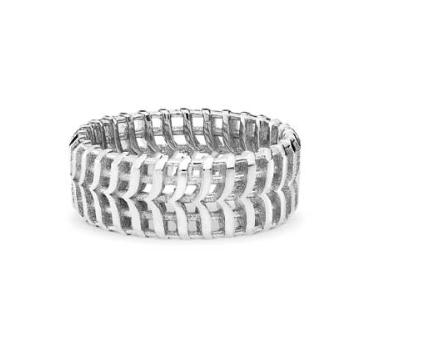
| Jewelry | Custom rings, necklaces, bracelets, watch cases, gemstone settings | Timeless luster, malleability, luxury appeal |
| Medical | Implantable electrodes (e.g., for pacemakers), dental crowns, surgical tools | Biocompatibility, antimicrobial properties, corrosion resistance (to bodily fluids) |
| Aerospace | High-reliability electrical contacts, thermal management parts (heat sinks) | Conductivity, heat resistance, durability in extreme environments |
| Automotive | Sensor connectors, EV battery components, decorative interior trim | Conductivity, corrosion resistance (to oils and moisture) |