
Our Magnesium Die Casting Services
At Yigu Technology, our Magnesium Die Casting solutions redefine lightweight manufacturing without compromising strength. Leveraging decades of expertise, advanced technology, and strict quality control, we transform high-performance magnesium alloys into dimensionally stable components for automotive, aerospace, and electronics industries.
Whether you need high volume production runs or custom-designed parts, we deliver cost-effective, reliable results—backed by fast turnaround and comprehensive customer support.
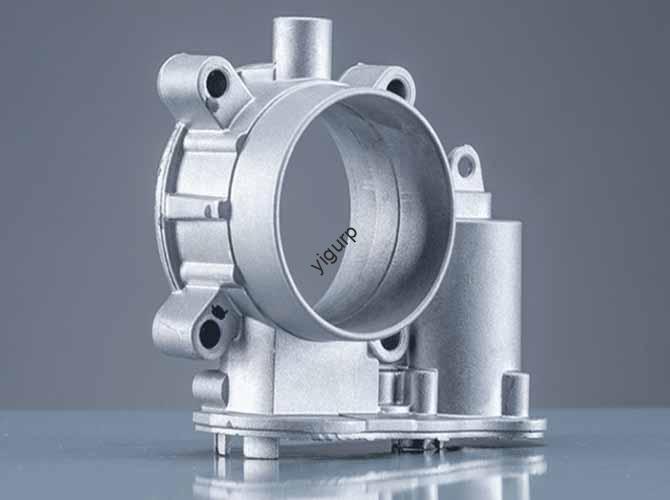
Yigu Technology’s Magnesium Die Casting Capabilities
Our Magnesium Die Casting capabilities are engineered to handle the most demanding projects, from lightweight electronics parts to high-strength aerospace components.
Key Capabilities Breakdown
| Capability Area | Details |
| Capacity | 80,000–500,000 units/month (optimized for high-volume automotive/electronics parts) |
| Expertise | 15+ years of experience in magnesium die casting, with specialized knowledge in alloy selection and process optimization |
| Customization | Tailored mold design, alloy blending, and surface treatment for unique project needs |
| Technology | 20+ automated die casting machines (150–1,000 tons clamping force) with real-time process monitoring |
| Quality Control | ISO 9001 & IATF 16949 certified; 100% inspection (dimensional, porosity, surface finish) |
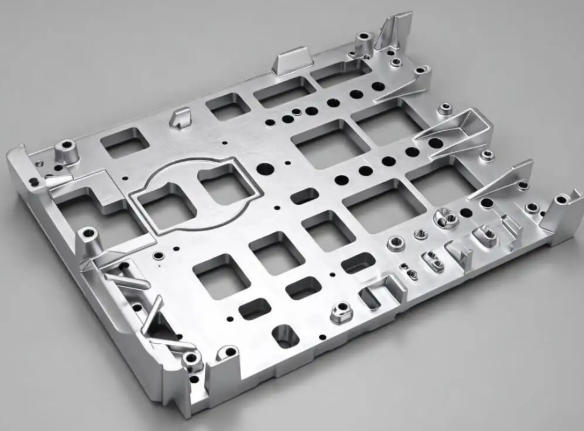
The Magnesium Die Casting Process
The die casting process for magnesium follows a structured workflow optimized for speed and precision, leveraging magnesium’s unique thermal properties.
- Preparation: The steel die is preheated (180–250°C) and coated with a lubricant to prevent metal sticking and ensure smooth ejection.
- Injection: Molten magnesium alloy is injected into the die cavity at high speed (2–6 m/s) and pressure (40–120 MPa), ensuring full filling of complex geometries.
- Cooling: The metal solidifies rapidly (10–25 seconds) in the die, maintaining dimensional accuracy while pressure is held to reduce porosity.
- Ejection: The die opens, and ejector pins push the finished part out—magnesium’s low shrinkage rate (0.8–1.2%) ensures the part retains its shape.
- Post-Processing: Excess material (flash) is trimmed, and parts undergo optional machining or surface treatment to meet final specs.
- Automation: Robotic arms handle injection, ejection, and post-processing steps, reducing human error and increasing production efficiency by 30%.
On average, the total cycle time for a medium-sized magnesium part (e.g., a laptop frame) ranges from 15–30 seconds.
Materials Used in Magnesium Die Casting
Choosing the right magnesium alloys is critical for part performance, and we offer expert alloy selection support to match your project’s requirements.
Magnesium Alloy Properties & Applications
| Alloy Type | Common Grades | Key Material Properties | Typical Applications |
| AZ Series | AZ91D, AZ31B | Good strength (240–280 MPa), excellent castability, cost-effective | Automotive parts (steering wheels, transmission housings), electronics housings |
| AM Series | AM60B, AM50A | Higher ductility than AZ series, good impact resistance | Structural components (aerospace brackets, consumer goods frames) |
| AE Series | AE44 | High heat resistance (up to 150°C), good corrosion resistance | Engine components, high-temperature industrial parts |
| Custom Alloys | Blended to specs | Tailored for enhanced corrosion resistance or strength | Medical devices, marine components |
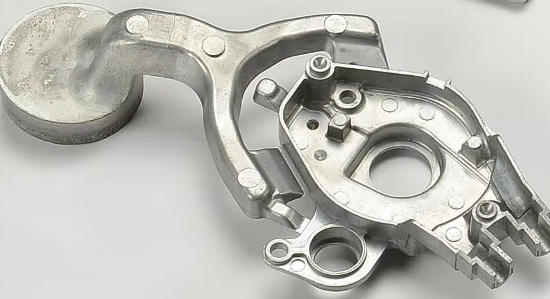
All our magnesium alloys undergo rigorous testing for corrosion resistance (via salt spray testing) and mechanical properties to ensure consistency.
Surface Treatment for Magnesium Die Cast Components
Surface finishing is essential for magnesium parts, as it enhances corrosion resistance (a key consideration for magnesium) and improves aesthetics.
| Treatment Method | Purpose | Advantages | Ideal For |
| Anodizing | Creates a hard, protective oxide layer | Excellent corrosion resistance, customizable colors (clear, black) | Automotive exterior parts, aerospace components |
| Powder Coating | Applies a durable polymer finish | Chip-resistant, UV-stable, wide color range | Outdoor equipment, consumer goods |
| Plating | Adds a metal layer (e.g., nickel, chrome) | Improves conductivity, decorative appeal | Electrical connectors, medical devices |
| Painting | Enhances aesthetics and basic protection | Fast application, low cost | Non-critical structural parts, consumer goods |
| Coating | Applies a specialized protective layer (e.g., ceramic) | Superior corrosion resistance, heat tolerance | High-temperature parts, marine components |
| Surface Quality Optimization | Polishing, deburring | Smooth finish, removes minor defects | High-end electronics, luxury goods |
Industry Applications of Magnesium Die Casting
Magnesium Die Casting applications span diverse industries, thanks to its ultra-light weight, strength, and precision.
| Industry | Key Applications | Alloy of Choice | Why Magnesium Die Casting? |
| Automotive | EV battery frames, steering wheels, transmission cases, engine components | AZ91D, AE44 | Lightweight (improves range), high strength |
| Aerospace | Interior structural parts, satellite components, drone frames | AM60B, AZ31B | Ultra-light, dimensional stability |
| Electronics | Laptop frames, smartphone housings, 5G base station parts | AZ91D, AM50A | Lightweight, good thermal conductivity |
| Consumer Goods | Power tool housings, camera bodies, sporting goods (e.g., bicycle components) | AZ91D | Durable, lightweight, sleek finish |
| Medical Devices | Wheelchair frames, diagnostic equipment housings (non-implant) | AZ91D (medical-grade) | Lightweight for portability, corrosion-resistant (with treatment) |
| Telecommunications | Antenna housings, router chassis | AZ91D | Lightweight, weather-resistant (with coating) |
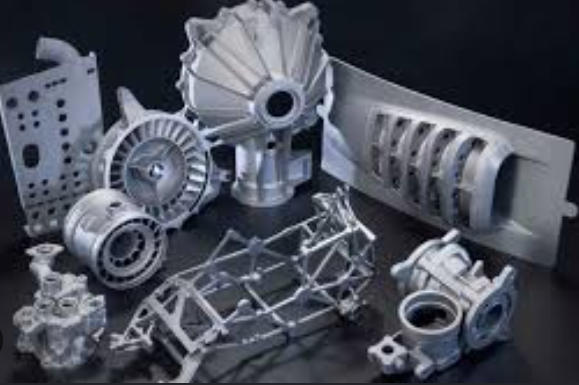
Case Studies: Yigu Technology’s Magnesium Die Casting Success Stories
Our case studies showcase how we solve real-world challenges for clients using magnesium die casting.
Case Study 1: Automotive EV Battery Frame
- Challenge: A leading EV manufacturer needed 100,000 lightweight battery frames monthly, with tight tolerances (±0.08mm) and corrosion resistance for outdoor use.
- Solution: Used AZ91D magnesium alloy with anodizing surface treatment. Implemented high-pressure die casting and automated quality inspection.
- Result: Frames were 30% lighter than aluminum alternatives, achieved 99.7% defect-free rate, and met IATF 16949 standards—helping the client improve EV range by 12%.
Case Study 2: Electronics Laptop Frame
- Challenge: A tech firm required ultra-light laptop frames with a sleek finish and good thermal conductivity.
- Solution: Utilized AM60B magnesium alloy and added powder coating for aesthetics. Designed custom molds to integrate heat dissipation channels, eliminating secondary machining.
- Result: Frames weighed 25% less than plastic-aluminum blends, withstood 10,000+ opening/closing cycles, and improved laptop thermal performance by 15%.