
Our Prototype Vacuum Casting Services
At Yigu Technology, our Prototype Vacuum Casting services blend cutting-edge technology with flexible manufacturing to deliver high-quality prototypes quickly and cost-effectively.
Whether you need small-batch parts or complex designs, our expertise in vacuum casting processes and premium materials ensures precision, consistency, and seamless surface finishes—perfect for accelerating your product development cycle.
What is Prototype Vacuum Casting?
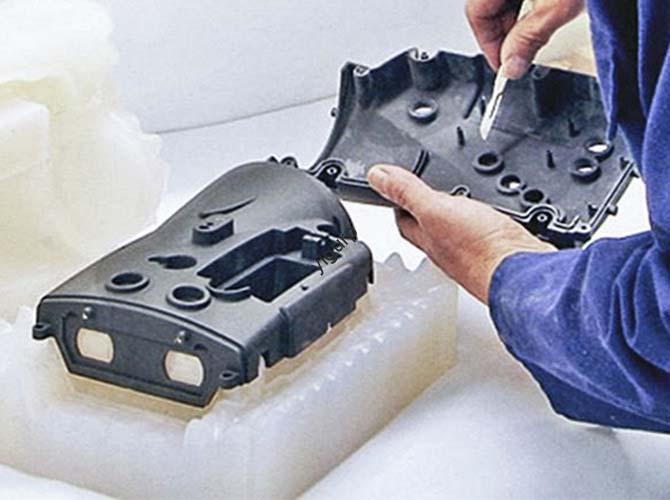
Prototype Vacuum Casting is a low-volume manufacturing technique designed to produce high-fidelity plastic prototypes or small-batch parts using a silicone mold and vacuum pressure. Unlike traditional injection molding (which requires expensive metal tooling), this process leverages flexible silicone molds to replicate intricate details, making it ideal for product testing, market validation, or pre-production runs.
Key Components of the Technology
| Component | Role |
| Master Pattern | A 3D-printed or CNC-machined model used to create the silicone mold. |
| Silicone Mold | Flexible mold that captures fine details of the master pattern. |
| Vacuum Chamber | Removes air bubbles from the mold to ensure smooth, bubble-free parts. |
| Casting Resins/Plastics | Materials poured into the mold to form the final prototype. |
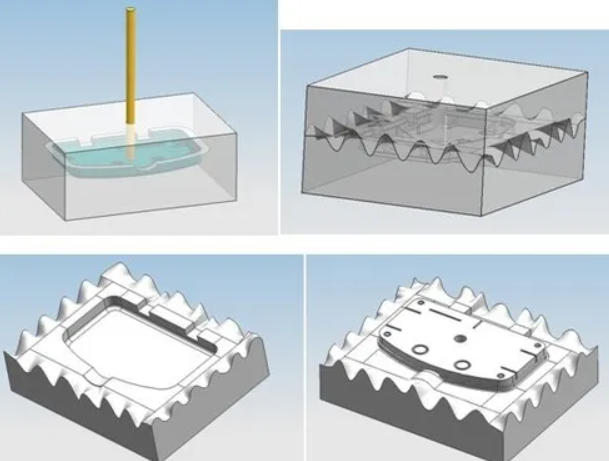
The core technology focuses on minimizing defects (e.g., air pockets) through vacuum pressure, ensuring prototypes match the original design’s dimensions and surface quality—critical for early-stage product development.
Yigu Technology’s Prototype Vacuum Casting Capabilities & Services
At Yigu, we tailor our vacuum casting and prototyping services to meet diverse industry needs, from automotive and electronics to medical devices and consumer goods. Our capabilities are built on flexibility, speed, and precision, ensuring we deliver solutions that align with your project goals.
Our Core Capabilities
| Capability | Details |
| Part Size Range | From small components (10mm) to large parts (up to 1000mm in length). |
| Batch Volume | 1–500 parts per mold (silicone molds typically last 20–50 cycles). |
| Lead Time | 3–7 days (from master pattern approval to prototype delivery). |
| Material Compatibility | Works with a wide range of resins, including ABS-like, PC-like, and flexible TPU. |
Our manufacturing services also include post-casting support, such as surface treatment and quality inspection, to ensure every prototype meets your specifications. Whether you need a single test part or a small production run, we streamline the process to reduce delays and costs.
The Prototype Vacuum Casting Process: Steps & Workflow
The vacuum casting process follows a structured workflow to ensure consistency and quality. Each step is optimized to capture design details and minimize errors, making it a reliable choice for prototype production.
Step-by-Step Procedure
- Master Pattern Creation: First, we create a high-precision master pattern using 3D printing (e.g., SLA, FDM) or CNC machining. This pattern must match your final design’s dimensions and surface finish.
- Silicone Mold Making: The master pattern is placed in a mold box, and liquid silicone is poured around it. The silicone cures (usually 4–24 hours) to form a flexible mold, which is then cut open to remove the pattern.
- Vacuum Casting: The silicone mold is placed in a vacuum chamber. Liquid resin or plastic is poured into the mold, and the vacuum removes air bubbles. The material cures (via heat or UV light) to form the prototype.
- Demolding & Finishing: Once cured, the prototype is removed from the mold. We then perform surface treatment (e.g., polishing, coating) to refine the part’s appearance and functionality.
Workflow Timeline
| Stage | Typical Duration | Key Activity |
| Master Pattern | 1–2 days | Design finalization and 3D printing/CNC machining |
| Silicone Mold Making | 1–2 days | Silicone pouring, curing, and mold preparation |
| Casting & Curing | 1–3 days | Vacuum casting, material curing, and demolding |
| Finishing & QA | 0.5–1 day | Surface treatment and quality control checks |
Materials for Prototype Vacuum Casting
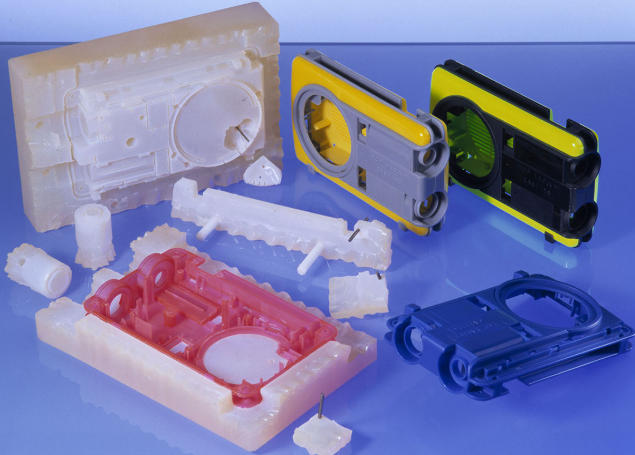
Choosing the right vacuum casting materials is critical to ensuring your prototype performs like the final product. Yigu Technology offers a wide selection of resins and plastics, each tailored to specific mechanical properties (e.g., flexibility, heat resistance) and applications.
Common Vacuum Casting Materials
| Material Type | Key Properties | Ideal Applications |
| ABS-Like Resin | High impact resistance, rigid, good machinability | Automotive parts, electronics enclosures |
| PC-Like Resin | Heat resistance, transparency, high strength | Medical devices, lighting components |
| TPU Resin | Flexible, durable, chemical resistance | Gaskets, seals, soft-touch components |
| Silicone Rubber | Extreme flexibility, temperature resistance | Prototypes for gaskets or medical tools |
We also offer custom material blends to match unique requirements, such as flame retardancy or food-grade compliance. Our team works with you to select the best material for your prototype’s intended use.
Advantages of Prototype Vacuum Casting
Prototype Vacuum Casting offers numerous benefits over other prototyping methods (e.g., 3D printing, injection molding), making it a top choice for product developers.
Key Advantages & Benefits
| Advantage | Benefit to Your Project |
| Cost-Effective | No expensive metal tooling—ideal for low-volume runs. |
| High-Quality | Replicates intricate details and smooth surfaces. |
| Rapid Prototyping | Faster lead times than injection molding (3–7 days vs. 2–4 weeks). |
| Material Flexibility | Works with resins that mimic final production materials. |
| Design Flexibility | Easy to modify master patterns for design iterations. |
For example, a startup developing a new consumer electronic device can use vacuum casting to test 10–20 prototypes in 5 days, compared to waiting weeks for injection molding tooling—saving time and money during early development.
Applications & Industries for Prototype Vacuum Casting
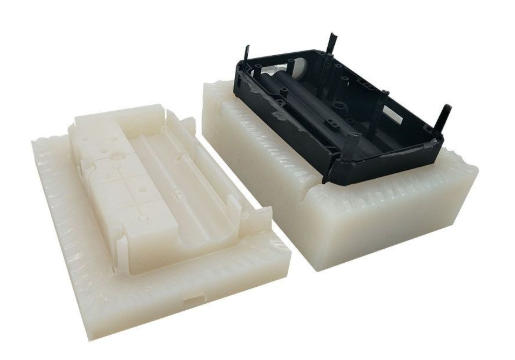
Prototype Vacuum Casting is used across a wide range of industries and markets, thanks to its versatility and ability to produce high-quality parts quickly.
Industry-Specific Applications
| Industry | Common Applications |
| Automotive | Dashboard components, sensor housings, prototype parts for testing |
| Electronics | Phone cases, charging docks, circuit board enclosures |
| Medical Devices | Surgical tool prototypes, diagnostic equipment housings (using biocompatible resins) |
| Consumer Goods | Toy prototypes, kitchenware, cosmetic packaging |
| Aerospace | Small interior components, lightweight part prototypes |
The process is particularly valuable for industries where speed-to-market and prototype realism are critical, such as consumer electronics and medical device development.
Case Studies: Success Stories with Yigu Technology
Our case studies demonstrate how vacuum casting has helped clients accelerate product development and achieve their goals.
Case Study 1: Automotive Sensor Prototype
A leading automotive supplier needed 20 prototypes of a new sensor housing to test fit and functionality. Using our vacuum casting service:
- We created a master pattern via CNC machining (1 day).
- Produced a silicone mold and cast 20 parts using ABS-like resin (3 days).
- Applied a textured surface finish to match the final production part.
- Result: The client tested the prototypes in 5 days (vs. 3 weeks for injection molding) and identified a design flaw early—saving $10,000 in potential rework.
Case Study 2: Medical Device Enclosure
A medical startup required 50 biocompatible prototypes of a diagnostic device housing. We used a PC-like resin (compliant with ISO 10993) and:
- Delivered prototypes in 7 days.
- Ensured dimensional accuracy (±0.05mm) for compatibility with internal components.
- Provided a smooth, easy-to-clean surface finish.
- Result: The startup used the prototypes for clinical testing and secured FDA approval 3 months faster than planned.