
Our CNC Reaming Services
Looking for precise, efficient, and reliable hole – finishing solutions? Our CNC Reaming Services combine advanced CNC Technology with expert Reaming Process to deliver top – tier Precision Reaming results.
Whether you need small – batch or mass – production hole – making, we have the Machining Capacity to meet your demands for tight Tolerances and superior surface quality.
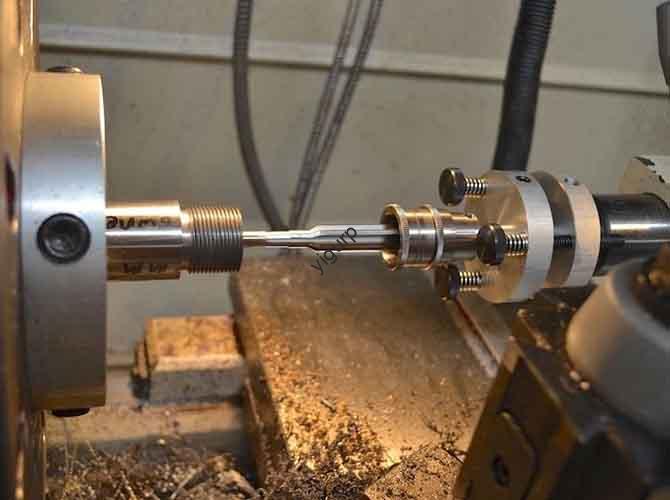
Our Capabilities: What We Can Do for You
We take pride in our robust CNC Reaming machining Services capabilities, designed to cater to a wide range of industrial needs. Our core strengths lie in our ability to deliver precise Precision Hole Making across various project scales.
| Capability Aspect | Details |
| Hole Size Range | Covers from 1mm to 100mm in diameter, suitable for both micro – holes and large – scale industrial holes. |
| Machining Capacity | Equipped with 20 high – speed CNC reaming machines, enabling us to handle up to 50,000 reamed holes per month. |
| Material Compatibility | Expertise in reaming over 30 types of materials, including metals, plastics, and composites. |
| Precision Level | Capable of achieving Tolerance Levels as tight as ±0.002mm, meeting the most demanding precision requirements. |
Whether you have a prototype project needing a few dozen precision holes or a mass – production order requiring thousands, our CNC Reaming Services have the flexibility and capacity to deliver on time and to your exact standards.
What Is CNC Reaming?
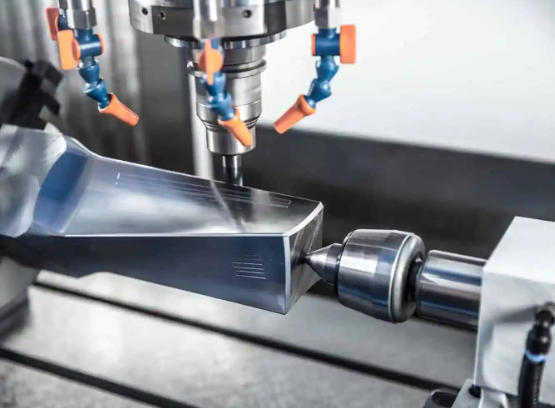
CNC Reaming is a specialized Precision Reaming process that uses Computer Numerical Control (CNC Technology) to refine the internal surface of a pre – drilled hole. Unlike basic drilling, the Reaming Process focuses on improving the dimensional accuracy, roundness, and surface finish of an existing hole rather than creating it from scratch.
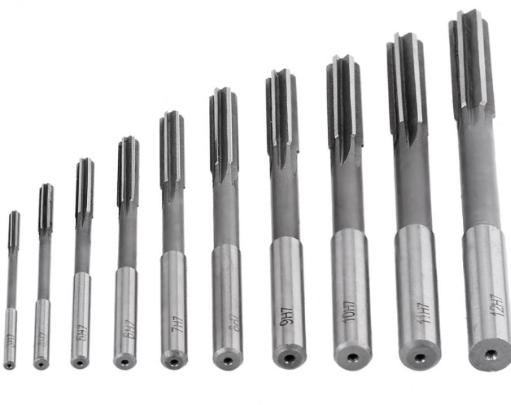
In simple terms, after a hole is drilled, a CNC reamer — a multi – fluted cutting tool — is guided by the CNC system to remove a small amount of material from the hole’s inner wall. This step ensures the hole meets exact specifications, making it ideal for applications where a loose or inaccurate hole would cause performance issues. The use of CNC Technology in this process adds a high level of automation and repeatability, ensuring each reamed hole is consistent with the last.
Process: The Step – by – Step CNC Reaming Workflow
The CNC Reaming Process is a well – structured sequence of steps that ensures consistent, high – quality results. Each stage is critical to achieving the desired hole accuracy and surface finish.
- Pre – Drilling Preparation: First, a pilot hole is drilled using a CNC drilling machine. This hole is slightly smaller than the final desired size (typically 0.1 – 0.3mm smaller) to leave enough material for the reaming step. The quality of this pre – drilled hole is vital, as any irregularities will affect the reaming outcome.
- Tool Selection: Based on the material to be reamed and the desired hole specifications, the appropriate CNC reamer is chosen. Reamers come in different materials (such as high – speed steel and carbide) and flute designs to suit various applications.
- CNC Program Setup: A CNC Process program is created or loaded into the CNC machine. This program contains precise instructions for the reamer’s speed, feed rate, and depth of cut, ensuring the reaming operation is automated and accurate.
- Reaming Operation: The CNC machine executes the program, guiding the reamer into the pre – drilled hole at the set speed and feed rate. The reamer removes the excess material, refining the hole’s diameter and surface.
- Quality Inspection: After reaming, each hole is inspected using precision measuring tools like micrometers and bore gauges to check if it meets the specified Tolerances and surface quality standards.
- Post – Treatment (If Needed): Depending on the application, the reamed hole may undergo Surface Finishing processes such as deburring to remove any sharp edges.
This streamlined Machining Process minimizes human error and maximizes efficiency, making it a preferred choice for high – precision hole – finishing tasks.
Materials: Suitable Materials for CNC Reaming
Not all materials are equally easy to ream, but our CNC Reaming Services are equipped to handle a wide variety of Machining Materials. The key is to select the right reaming tools and parameters based on the Material Properties of the workpiece.
| Material Category | Common Examples | Material Properties Affecting Reaming | Reaming Suitability |
| Metals | Aluminum, Steel (Mild, Stainless), Brass, Titanium | Aluminum: Soft, prone to built – up edge; Steel: Harder, requires sharp tools; Titanium: Tough, high heat generation | Excellent (with proper tool selection) |
| Plastics | Nylon, PEEK, Acrylic | Low melting point, prone to chipping; Soft, may deform under pressure | Good (with low – speed, high – feed settings) |
| Composites | Carbon Fiber Reinforced Polymer (CFRP), Glass Fiber Reinforced Plastic (GFRP) | Abrasive fibers, uneven material structure; Prone to delamination | Moderate (requires specialized reamers) |
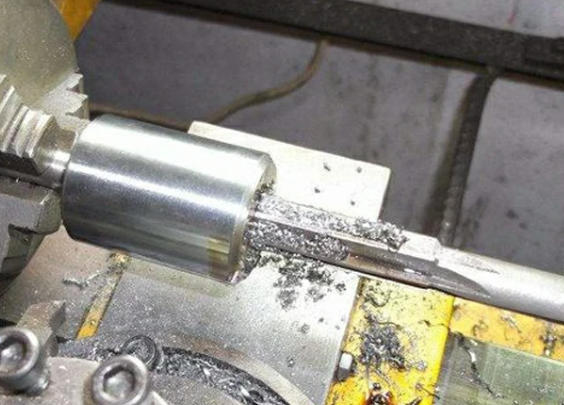
Our team of experts excels in Material Selection, ensuring that for each project, we pick the optimal combination of material and reaming strategy to achieve the best results. Whether you’re working with a common material like aluminum or a more challenging one like titanium, we have the expertise to handle it.
Tolerances: Achieving Precise Hole Dimensions
Tolerances are a critical aspect of CNC Reaming Services, as they define how much the actual size of a reamed hole can deviate from the desired size. Our ability to control Machining Tolerances sets us apart, ensuring that each hole meets the strictest precision requirements.
We offer three levels of Tolerance Control to cater to different application needs:
- Standard Tolerance (±0.01mm – ±0.05mm): Suitable for general – purpose applications where moderate precision is sufficient, such as in consumer electronics enclosures and furniture hardware.
- Precision Tolerance (±0.005mm – ±0.01mm): Ideal for industrial components that require a higher level of accuracy, like gears and shafts in machinery.
- High – Precision Tolerance (±0.002mm – ±0.005mm): Reserved for critical applications in industries like aerospace and medical, where even the smallest deviation can lead to catastrophic failures. For example, in aircraft engine components, reamed holes must have Hole Tolerances within this range to ensure proper fit and function.
To maintain these tight tolerances, we use advanced CNC machines with high positioning accuracy and regular calibration. Our quality control team also conducts rigorous inspections at every stage of the Reaming Process to ensure consistency.
Advantages: Why Choose CNC Reaming Over Other Methods
CNC Reaming offers numerous Advantages over traditional manual reaming or other hole – finishing methods. These benefits make it a top choice for businesses looking to improve the quality and efficiency of their manufacturing processes.
- Precision Advantages: The use of CNC Technology ensures unparalleled precision. Unlike manual reaming, which relies on the operator’s skill, CNC reaming delivers consistent Hole Tolerances and surface finish across every part. This precision is crucial for applications where parts need to fit together perfectly.
- Cost Advantages: While the initial investment in CNC reaming equipment may be higher, it leads to long – term cost savings. The automated process reduces labor costs, and the high level of repeatability minimizes waste from defective parts. Additionally, the efficiency of CNC reaming allows for faster production, reducing lead times and increasing overall productivity.
- Quality Advantages: CNC reaming produces holes with superior Surface Quality and dimensional accuracy. The smooth surface finish reduces friction and wear, extending the lifespan of the parts. Moreover, the consistent quality of CNC – reamed holes ensures that assemblies function reliably, reducing the risk of downtime and maintenance costs.
- Flexibility: CNC reaming machines can be easily programmed to handle different hole sizes and shapes, making them suitable for a wide range of projects. Whether you need to ream a single hole or multiple holes in a complex pattern, CNC reaming can adapt to your needs quickly.
Applications Industry: Where CNC Reaming Is Used
CNC Reaming Services find applications in a diverse range of Industry Sectors, thanks to their ability to deliver precise, high – quality holes. From aerospace to medical devices, these services play a vital role in the manufacturing of critical components.
| Industry | Reaming Applications | Specific Components |
| Aerospace | Reaming holes for aircraft frames, engine components, and landing gear. These holes must withstand high stress and extreme temperatures, requiring tight Tolerances and superior surface quality. | Engine turbine blades, aircraft wing spars, landing gear struts. |
| Automotive | Used in the production of engine blocks, transmission systems, and suspension components. CNC reaming ensures that parts fit together seamlessly, improving the performance and reliability of vehicles. | Engine cylinder heads, transmission gears, suspension control arms. |
| Medical | Manufacturing of medical devices such as surgical instruments, implants, and diagnostic equipment. The precision of CNC reaming is essential to ensure the safety and effectiveness of these devices. | Orthopedic implants (e.g., hip replacements), surgical drills, diagnostic machine components. |
| Electronics | Reaming holes for printed circuit boards (PCBs), connectors, and housing components. Small, precise holes are needed to accommodate wires and other electronic parts. | PCB mounting holes, connector sockets, smartphone housing. |
| Manufacturing/Industrial | Used in a wide range of industrial machinery, including pumps, valves, and generators. CNC – reamed holes ensure the smooth operation of these machines by reducing friction and wear. | Pump casings, valve bodies, generator shafts. |
Our CNC Reaming Services are tailored to meet the unique needs of each Industry Application, ensuring that our clients receive parts that meet the highest industry standards.