
Our CNC Engraving Services
Elevate your projects with custom CNC engraving services from Yigu Technology—where cutting-edge CNC engraving technology meets uncompromising precision.
Whether you need intricate designs on metal, plastic, or wood, our advanced processes deliver consistent quality, tight tolerances, and fast turnaround times. From automotive parts to medical devices, we turn your ideas into reality with expertise that outperforms traditional methods. Choose reliability, choose customization, choose Yigu for your CNC engraving needs.
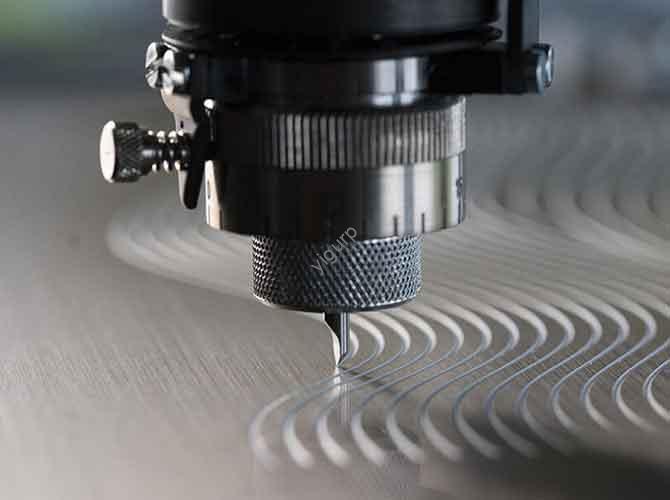
What Is CNC Engraving?
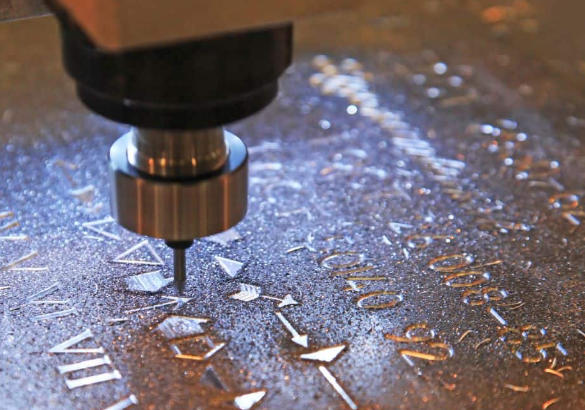
CNC engraving (Computer Numerical Control engraving) is a precision manufacturing process that uses computerized systems to control engraving tools, creating detailed designs, text, or patterns on various materials. Unlike traditional engraving, which relies on manual skill and is prone to human error, CNC engraving technology uses pre-programmed software to ensure repeatability and accuracy—making it ideal for both small-batch prototypes and large-scale production.
At its core, CNC engraving machine principles involve translating digital designs into toolpaths, which guide the engraving tool (such as a router or laser) to cut, carve, or mark the material surface. Key benefits of this approach include precision CNC engraving (with tolerances as tight as ±0.001 inches) and versatility across industries. Below is a quick comparison of CNC engraving vs. traditional engraving:
| Feature | CNC Engraving | Traditional Engraving |
| Accuracy | ±0.001–±0.005 inches | ±0.01–±0.05 inches |
| Repeatability | 100% consistent across batches | Depends on operator skill |
| Speed | 2–5x faster for complex designs | Slower for intricate patterns |
| Material Compatibility | Metals, plastics, wood, acrylic, etc. | Limited to softer materials (often) |
| Customization | Easy to adjust digital designs | Requires retooling for new designs |
Our CNC Engraving Capabilities: What We Can Do for You
At Yigu Technology, our CNC engraving machining capabilities are designed to meet the diverse needs of modern industries. We offer a full range of CNC engraving services, from simple text marking to complex 3D carving, with a focus on quality, speed, and customization.
| Capability | Details |
| CNC Engraving Precision | Achieve tolerances of ±0.001 inches for high-precision parts. |
| Material Compatibility | Work with metals (aluminum, brass, stainless steel), plastics (polycarbonate), wood, and acrylic. |
| Surface Finish Options | Offer polishing, plating, anodizing, and texturing for a professional look. |
| Speed & Efficiency | Complete small batches in 1–2 days; large-scale production in 5–7 days. |
| Customization | Accept CAD files and hand-drawn designs to create unique engravings. |
The CNC Engraving Process: From Design to Delivery
Our CNC engraving process is streamlined to ensure efficiency without compromising quality. Each project follows a clear workflow, from initial design to final quality control.
- Design Consultation: We review your design (CAD files or sketches) to confirm feasibility and suggest optimizations for CNC engraving toolpath generation.
- Software Setup: Our team uses advanced CNC engraving software (such as AutoCAD and Mastercam) to convert your design into machine-readable code.
- Machine Calibration: We calibrate our CNC machines to match your project’s requirements—adjusting tool speed, depth, and material fixturing for optimal results.
- Engraving Execution: The machine follows the pre-programmed toolpaths to perform CNC engraving cutting or marking on the selected material.
- Post-Processing: After engraving, we conduct CNC engraving post-processing (e.g., polishing, cleaning, or coating) to enhance the final product’s appearance and durability.
- Quality Control: Every part undergoes rigorous CNC engraving quality control—using precision measuring tools (calipers, micrometers) to verify dimensions and tolerances.
- Delivery: Approved products are packaged securely and shipped to your location, with full project documentation provided.
Compatible Materials for CNC Engraving
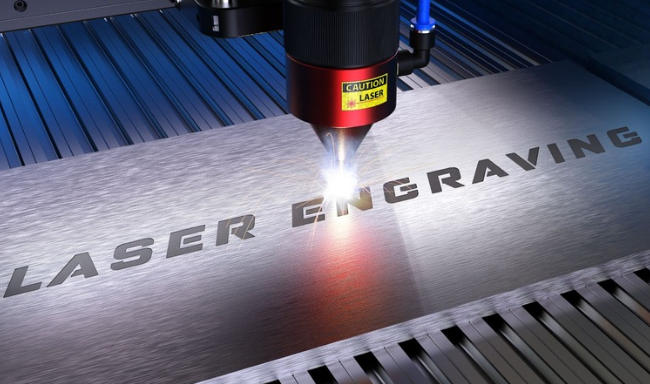
Choosing the right material is critical for successful CNC engraving. Yigu Technology works with a wide range of CNC engraving compatible materials, each selected for its durability, machinability, and aesthetic appeal. Below is a breakdown of our most popular materials:
| Material Type | Examples | Best For | Engraving Characteristics |
| Metals | Aluminum, brass, stainless steel | Automotive parts, medical devices, jewelry | High precision; produces clean, sharp edges |
| Plastics | Polycarbonate, acrylic | Signage, electronics enclosures | Lightweight; easy to engrave complex designs |
| Wood | Oak, maple, plywood | Decorative items, furniture accents | Creates natural, textured finishes |
| Composite Materials | Fiberglass, carbon fiber | Aerospace components, industrial parts | High strength; requires specialized tools |
CNC Engraving Tolerances: Ensuring Precision You Can Trust
CNC engraving tolerances refer to the acceptable deviation from the intended dimensions of a part. At Yigu Technology, we prioritize CNC engraving accuracy to meet the strict standards of industries like aerospace and medical manufacturing.
Our tolerance capabilities vary by material and project complexity, but we consistently achieve:
- Tight tolerances of ±0.001 inches for high-precision applications (e.g., medical device components).
- Dimensional accuracy of ±0.005 inches for general industrial parts (e.g., automotive brackets).
- Repeatability of 99.9% across batches—ensuring every part matches your design.
To maintain these standards, we use CNC machining engraving measurement techniques such as coordinate measuring machines (CMMs) and optical comparators, along with strict quality assurance protocols.
CNC Engraving Applications by Industry
CNC engraving applications span nearly every industry, thanks to its versatility and precision. Below are some of the most common uses:
| Industry | Applications |
| Automotive | Engraving serial numbers on engine parts, decorative trim, and dashboard components. |
| Aerospace | Precision marking on turbine blades, aircraft brackets, and avionics parts. |
| Electronics | Engraving logos on circuit boards, USB drives, and smartphone cases. |
| Medical Devices | Marking patient ID numbers on implants, surgical tools, and diagnostic equipment. |
| Jewelry | Intricate 3D engravings on rings, necklaces, and bracelets. |
| Signage & Advertising | Creating custom signs for businesses, event banners, and promotional items. |
| Manufacturing | Prototyping parts, engraving tooling, and batch production of components. |
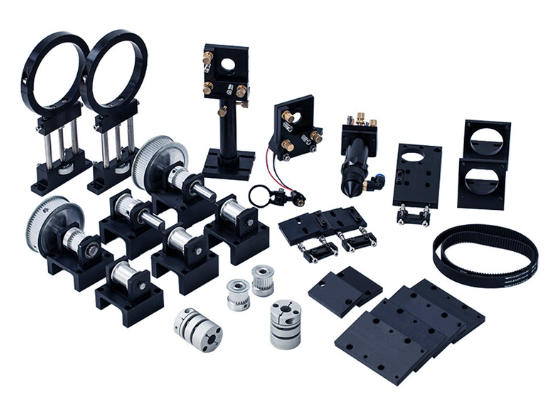
CNC Engraving Case Studies: Real-World Success Stories
Nothing showcases the power of CNC engraving services better than real-world results. Below is a detailed CNC engraving case studies—spanning automotive, medical, and signage industries—that highlight our ability to solve complex challenges, boost efficiency, and deliver exceptional quality. Each story includes CNC engraving project examples, customer feedback, and insights into how we turned goals into reality.
Case Study 1: Automotive Parts Engraving – Boosting Traceability for a Global Manufacturer
Project Background
A leading global automotive supplier approached Yigu Technology with a critical need: to engrave unique serial numbers and part IDs on 5,000 aluminum engine brackets per month. Their previous traditional engraving process was slow (taking 2 minutes per part) and error-prone—resulting in 3% of parts being rejected due to unreadable markings. This delayed production and increased costs.
Our Solution
We recommended laser CNC engraving—a faster, more durable method than their previous manual process. Our team:
- Programmed custom toolpaths using Mastercam software to match their part designs.
- Calibrated a 5-axis CNC laser machine to engrave serial numbers with ±0.002-inch accuracy.
- Implemented a automated feeding system to handle high-volume production.
Results
- Efficiency: Engraving time dropped from 2 minutes to 15 seconds per part—a 75% speed increase (aligning with CNC engraving efficiency case studies goals).
- Quality: Rejection rate fell to 0.1% (from 3%), as laser markings were resistant to heat, oil, and corrosion.
- Traceability: Every part now has a scannable QR code (engraved alongside the serial number) for easy tracking.